
Norway is considering a temporary ban on smart glasses in places such as parks, beaches and schools as the country looks for more time to examine the privacy and safety concerns surrounding a new generation of wearable technology.
The proposed pause is intended to give lawmakers, technology experts and the public an opportunity to debate how smart glasses should be regulated before Norway moves toward a permanent law. The discussion comes as smart glasses become increasingly sophisticated, combining cameras, microphones, internet connectivity and artificial intelligence in devices that can be worn like ordinary spectacles.
Smart glasses have been gaining attention because they allow users to perform several tasks without reaching for a smartphone. Depending on the device, users can take photographs, record videos, make phone calls, listen to music, access digital assistants and interact with AI systems.

The convenience of these features is also at the centre of the privacy debate.
A smartphone normally requires a person to hold the device up before taking a photograph or recording a video. Smart glasses can make the same activity much less obvious. A person wearing them can potentially capture images or audio while appearing to simply look around.
That creates concerns about people being recorded without their knowledge or consent.
Norwegian authorities are particularly interested in how smart glasses should be treated in locations where people may expect greater privacy or where vulnerable groups could be affected. Parks, beaches and schools have been identified as places where restrictions could be considered.
Schools are expected to receive particular attention because students, teachers and other staff may not always know whether a person wearing smart glasses is recording them. The presence of cameras in educational environments can create concerns involving children, personal information and the potential distribution of recordings online.
Beaches and parks present a different challenge. Although they are public spaces, people may still expect a certain level of privacy while relaxing, exercising or spending time with family. Smart glasses could allow someone to record people nearby without clearly indicating that a camera is being used.
The arrival of artificial intelligence makes the issue even more complicated.
Modern smart glasses are no longer simply wearable cameras. Some devices can use AI to identify objects, answer questions about what the wearer is seeing, translate text, provide directions and offer information about people or surroundings.
This means the devices can potentially collect and process more information than traditional cameras.
For example, a user could point their attention toward a person, building, product or document and use an AI assistant to obtain information about it. As these systems become more advanced, questions are emerging about what data is being collected, where it is stored and how it can be used.
Privacy advocates have warned that existing rules may not fully address these developments.
Traditional privacy regulations were largely designed around familiar technologies such as cameras, smartphones and computers. Smart glasses blur the boundaries between these categories because they combine several technologies into one wearable device.
The proposed temporary restrictions would provide Norway with time to examine these questions before establishing permanent regulations.
Rather than immediately introducing a long-term law, lawmakers could use the period to consult privacy organisations, schools, technology companies, legal experts and members of the public. The discussions could help determine when smart glasses should be permitted and what safeguards should be required.
Potential regulations could include requirements for visible recording indicators, restrictions on recording in sensitive locations and rules governing the collection and storage of audio and visual information.
Another question is whether users should be required to obtain consent before recording people in certain situations. Such requirements could be difficult to enforce in crowded public places, however, particularly when a device is capable of recording continuously.
Technology companies could also face pressure to develop stronger privacy controls. Features that make it clear when a camera or microphone is active could become more important if governments introduce stricter rules for wearable devices.
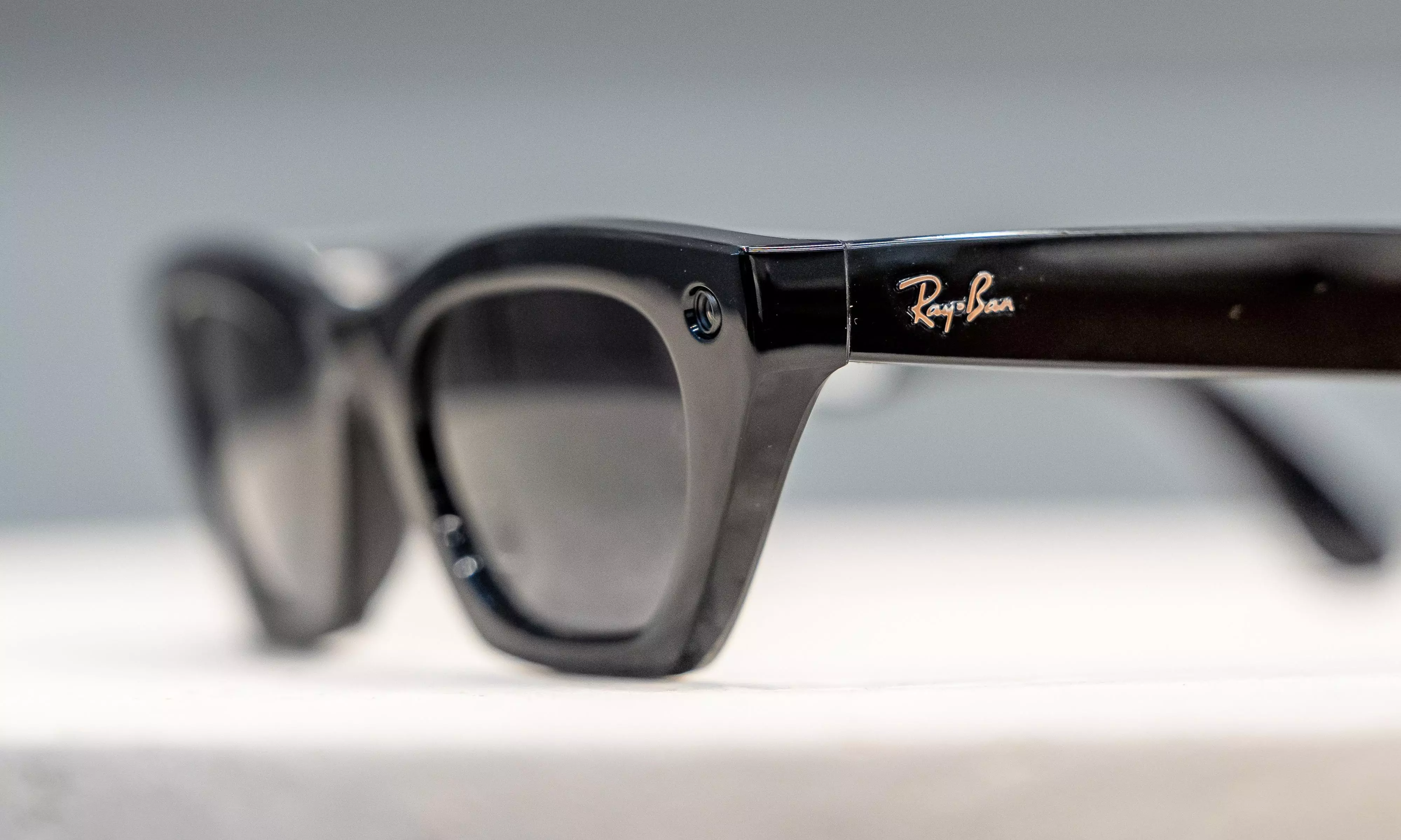
The debate comes as major technology companies continue to invest in smart glasses as a possible next-generation computing platform.
Smartphones have dominated personal technology for more than a decade, but companies are looking for devices that can provide information more naturally and with less physical interaction. Wearable AI could become an important part of that shift.
Smart glasses offer one possible route because they allow users to interact with digital services while keeping their hands free. They could eventually be used for navigation, translation, communication, education, work and entertainment.
However, widespread adoption could also make recording in public spaces significantly more difficult to detect.
That is why Norway’s proposed temporary ban could have implications beyond the country itself. Governments elsewhere are facing similar questions about how to regulate devices that combine cameras, microphones and AI.
The challenge is finding a balance between innovation and privacy. A blanket ban could restrict useful technology, while a lack of regulation could leave people vulnerable to unwanted recording and the misuse of personal information.
Norway’s proposed pause is therefore designed to create time for a broader conversation before a permanent framework is introduced.
The issue is ultimately about more than smart glasses. It raises questions about how society defines privacy when technology becomes increasingly invisible and integrated into everyday life.
As cameras move from smartphones into spectacles and AI becomes capable of interpreting what users see, the traditional boundaries surrounding recording and personal information are becoming less clear.
Norway’s temporary approach could give lawmakers an opportunity to address those changes before smart glasses become even more widespread. The resulting debate may help establish rules that protect privacy while still allowing people to benefit from the technology.
For now, the proposed restrictions signal that Norway is taking a cautious approach to AI-powered wearables. The pause is intended to provide time for lawmakers and the public to understand the risks, consider possible safeguards and determine what a permanent legal framework for smart glasses should look like.