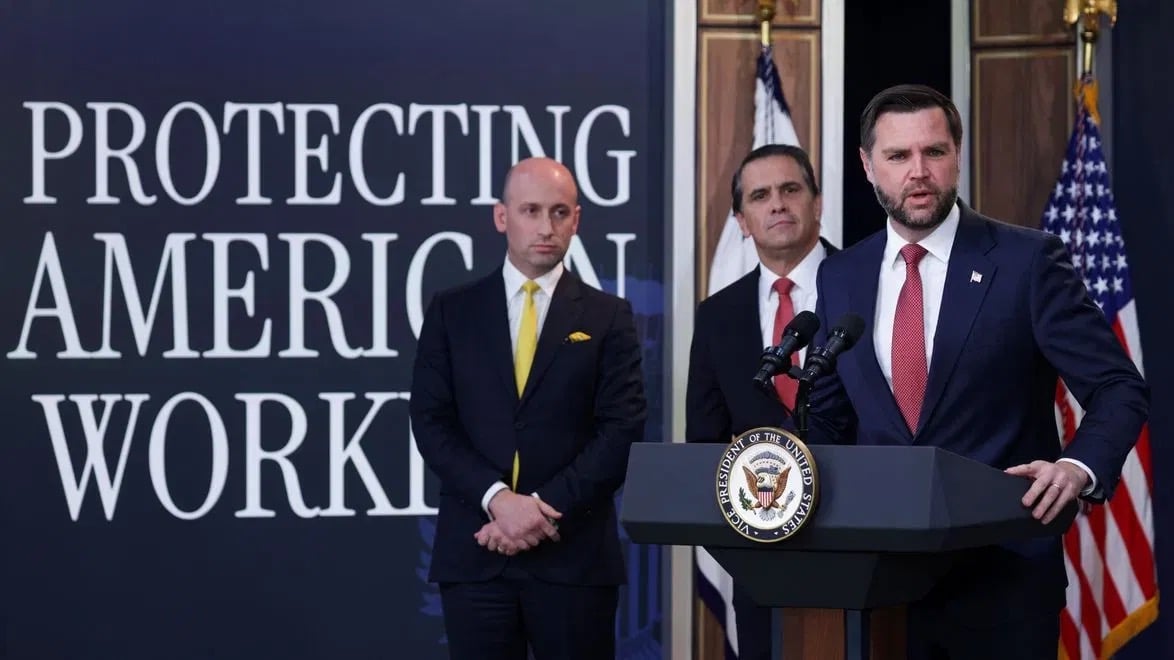
US Vice President JD Vance has announced that Microsoft is being suspended from a program that allows companies to sponsor foreign employees for permanent residency, intensifying the Trump administration’s scrutiny of employment-based immigration. The reported decision has raised concerns among skilled foreign workers, particularly Indian technology professionals who rely on employer-sponsored green cards to establish long-term residency in the United States.
The move comes amid a broader debate over whether American technology companies are prioritising foreign recruitment while reducing their domestic workforce. The administration has argued that immigration programmes must protect opportunities for American workers, while technology companies maintain that international hiring remains essential for meeting specialised workforce requirements.
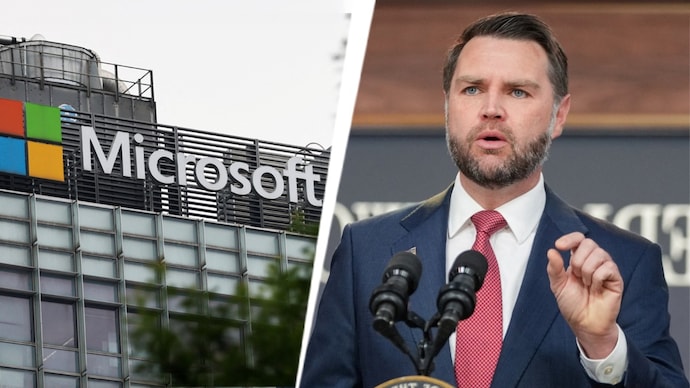
The suspension reportedly targets the employment-based permanent residency process rather than automatically cancelling existing H-1B visas. Its practical implications will depend on the scope of the restrictions, the status of individual applications and any subsequent administrative or legal developments.
What the Suspension Means for Microsoft
The reported action concerns the Permanent Labor Certification Program, commonly known as PERM. This process is an important stage in many employment-based green card applications. It generally requires an employer to demonstrate that there are insufficient qualified, available American workers for a position and that hiring a foreign worker will not adversely affect the wages and working conditions of similarly employed American workers.
Employers typically complete the labour certification process before proceeding with certain employment-based immigrant petitions. A suspension affecting this stage could prevent eligible employees from progressing towards permanent residency, particularly if their applications have not yet received the necessary approvals.
However, the distinction between temporary work authorisation and permanent residency remains important. The H-1B visa allows US employers to hire eligible foreign professionals in specialty occupations for a limited period, subject to immigration rules. A restriction on green card sponsorship does not automatically mean that every H-1B employee at an affected company loses their existing immigration status.
Nevertheless, workers depending on employer sponsorship could face uncertainty over their long-term plans if applications are delayed or employers become unable to initiate new cases.
Administration Raises Concerns Over American Jobs
The Trump administration has repeatedly emphasised its intention to prioritise American workers and scrutinise companies that rely heavily on foreign labour. Vance’s reported announcement reflects these concerns, particularly regarding businesses that conduct layoffs while continuing to employ or recruit workers through employment-based immigration programmes.
Technology companies have faced pressure over workforce reductions in recent years as they restructure operations, adjust spending and redirect investments towards artificial intelligence and other emerging technologies. These changes have fuelled questions about how employers balance domestic employment, specialised recruitment and business costs.
The administration’s position centres on ensuring that foreign-worker programmes are not used to displace qualified American employees or undermine domestic wages. However, determining whether a company has violated applicable requirements involves examining its specific hiring practices, job openings, wages and compliance with immigration regulations.
The suspension could therefore have consequences beyond Microsoft’s immediate hiring operations, depending on the government’s findings and the scope of its enforcement measures.
Microsoft and the H-1B Visa Debate
Microsoft is among the major technology companies that employ skilled professionals from around the world. Its workforce includes engineers, software developers, researchers, cybersecurity specialists and other professionals whose expertise supports its cloud computing, software and artificial intelligence businesses.
The H-1B programme has historically helped American employers recruit specialised talent when they need particular skills. Supporters argue that access to international professionals enables companies to develop new products, expand research and maintain competitiveness in global markets.
Critics, however, contend that some employers may use the programme to reduce labour costs or limit opportunities for American workers. The debate has become particularly prominent during periods of large-scale layoffs in the technology sector.
Microsoft and other technology employers have had to navigate these competing expectations while maintaining their operations. Any restrictions on green card sponsorship could also influence how companies recruit, retain and plan the careers of international employees.
Why Indian Professionals Could Be Affected
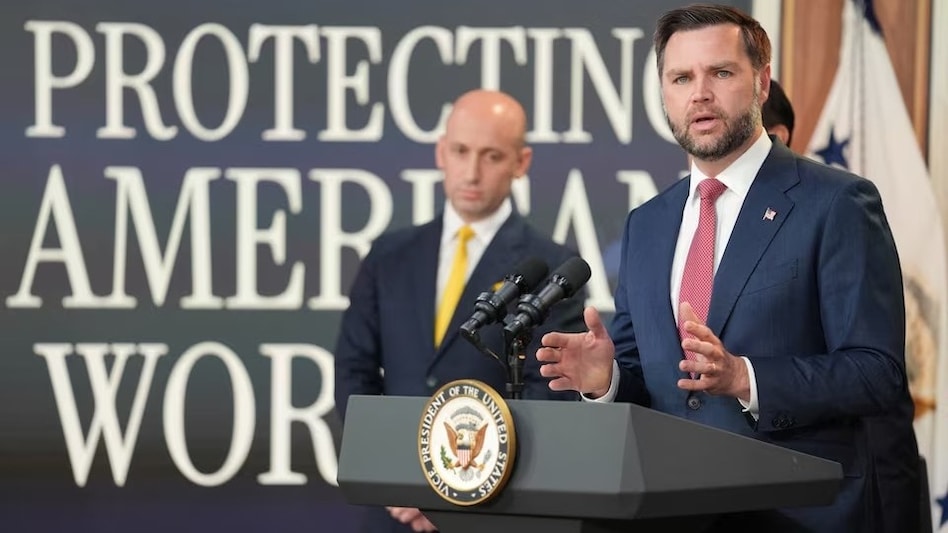
The reported suspension is particularly relevant to Indian professionals working in the United States. Indian nationals account for a substantial share of employment-based immigration applicants and H-1B beneficiaries, making changes to the sponsorship process significant for many workers and their families.
For employees pursuing permanent residency, delays can complicate decisions about changing jobs, relocating, purchasing property or making long-term family arrangements. Some workers may also have to consider how extended processing periods interact with their existing immigration status.
The green card process can already involve lengthy waiting periods, particularly for applicants from countries with high demand for employment-based immigration. Additional restrictions on employer-sponsored applications could create further uncertainty for those who are still waiting to complete the required stages.
The impact will not be identical for everyone. Employees with approved applications, those at earlier stages of the process and workers with alternative immigration options may face different circumstances. The precise consequences will depend on the final scope of the suspension and the rules governing individual cases.
What Happens Next?
Microsoft and other affected employers may need to review their ongoing sponsorship cases and determine how the reported restrictions affect their ability to support foreign employees seeking permanent residency. The administration’s investigation and any resulting decisions will be important in establishing the duration and reach of the measures.
For foreign workers, the immediate concern is whether existing applications can proceed and whether employers will remain able to initiate future sponsorship cases. Employees may need to assess their individual circumstances before making decisions about their jobs or immigration plans.
The reported suspension highlights the continuing tension between protecting domestic employment and allowing businesses to recruit international talent. While the administration has presented its approach as an effort to strengthen oversight of immigration programmes, its longer-term effects will depend on implementation, legal challenges and the outcome of any investigations.
As the situation develops, Microsoft and its employees will be watching closely for clarification on the restrictions and their implications for employment-based immigration in the United States.