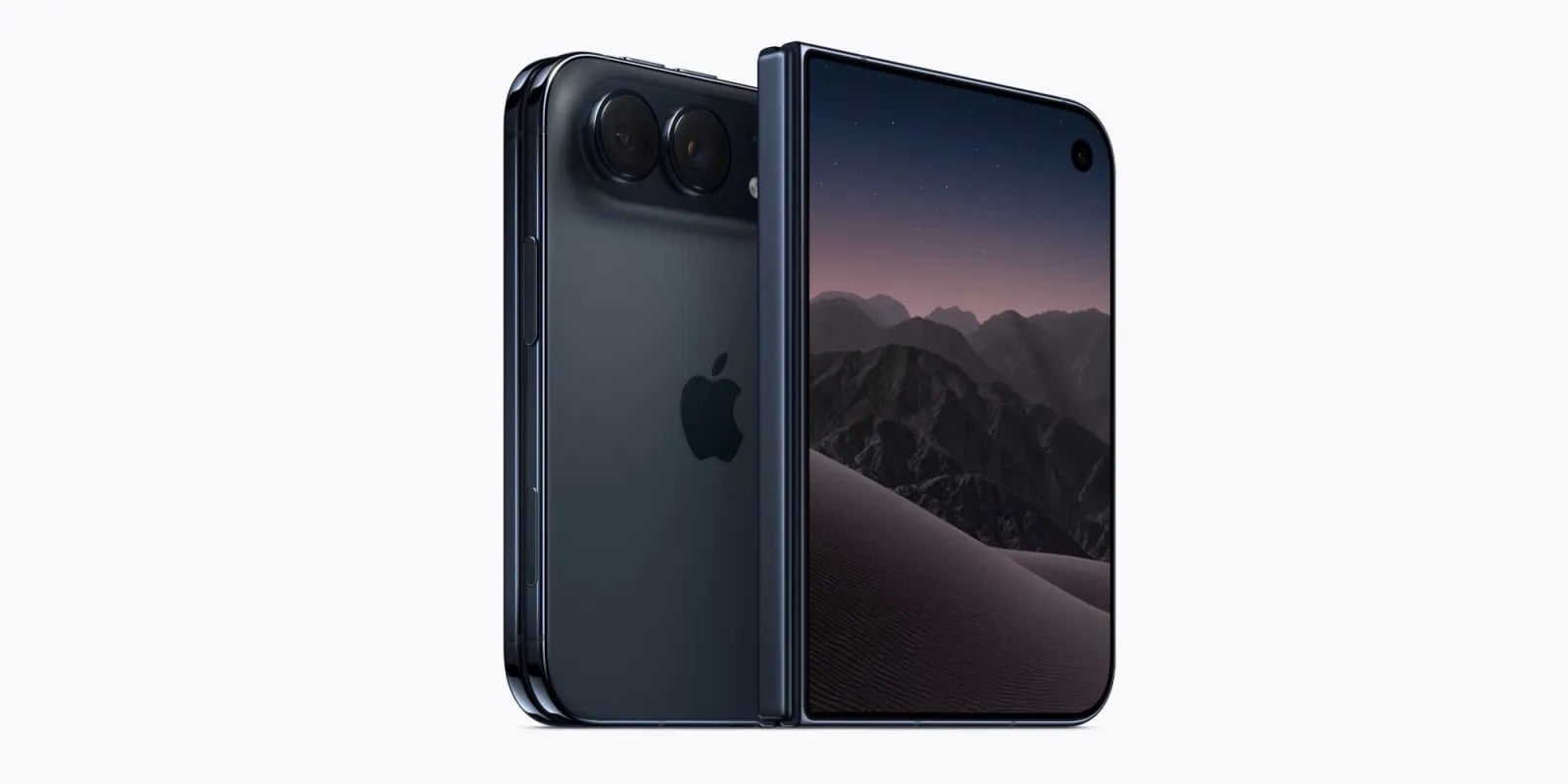
Apple may have reached a significant sales milestone with its iPhone Duo, with reports suggesting that the company may have sold approximately 6 million units. The reported figure has drawn attention to Apple’s product strategy and the potential demand for new iPhone designs in an increasingly competitive smartphone market. However, the precise sales figure and the product’s commercial performance require further confirmation.
Apple has maintained a strong position in the global smartphone industry through its premium devices, software ecosystem and consistent focus on customer experience. The company’s ability to attract consumers despite relatively high prices has been a defining feature of its business model. If the reported sales figure is accurate, the iPhone Duo could provide another example of how Apple generates interest in its products by combining familiar features with new approaches to smartphone design and functionality.
Consumer Interest in New iPhone Designs
The smartphone market has become increasingly competitive as manufacturers seek to differentiate their products through hardware improvements, artificial intelligence capabilities, camera technology and battery performance. Consumers are also becoming more deliberate about upgrading their devices, particularly as smartphones become more expensive and improvements between successive generations appear less dramatic.
Against this backdrop, products that offer a distinct design or a more versatile user experience can attract considerable attention. Apple’s brand recognition gives it an advantage when introducing new devices, as existing customers are already familiar with its operating system, services and interconnected products.
The possibility of millions of iPhone Duo sales suggests that consumers may be receptive to product variations that offer something beyond incremental hardware upgrades. Nevertheless, the reasons behind the reported demand cannot be established without reliable sales data and information about consumer purchasing behaviour.
Apple’s established customer base could also play an important role in the product’s performance. Many users remain within the company’s ecosystem because of the integration between iPhones, Macs, iPads, Apple Watches and other services. This familiarity can encourage repeat purchases and make new products more appealing to customers who already own Apple devices.
Apple’s Strategy in a Competitive Market
Apple’s smartphone strategy has traditionally emphasised premium positioning rather than competing primarily on price. The company focuses on hardware and software integration, long-term software support, privacy features and the consistency of its user experience. These elements help differentiate its devices from competing smartphones.
However, maintaining this position requires continuous innovation. Competitors are investing heavily in advanced cameras, foldable designs, AI-powered assistants and increasingly powerful processors. Several manufacturers are also introducing premium devices at different price points, giving consumers more options when deciding which smartphone to purchase.
For Apple, a successful new product can help sustain interest in its broader iPhone portfolio. It can also encourage customers who might otherwise postpone an upgrade to consider purchasing a newer device. The extent to which the iPhone Duo achieves these objectives will depend on its features, pricing, availability and reception among consumers.
The reported sales figure, if confirmed, would provide an indication of the product’s initial market reach. However, unit sales alone do not reveal the complete financial picture. Revenue, profit margins, production costs and the extent to which the product attracts new customers are equally important measures of commercial success.

What the Sales Figure Could Mean for Apple
Selling approximately 6 million units would represent a substantial level of demand for an individual smartphone product, although its significance would depend on the period covered by the estimate and the markets in which the devices were sold.
For Apple, strong sales could support revenue from its hardware business and contribute to continued customer engagement with its ecosystem. Each new device also creates opportunities for customers to use Apple’s digital services, applications and subscription offerings. These services form an important part of the company’s broader business strategy.
At the same time, analysts would need to determine whether the reported sales represent purchases by end consumers or shipments to retailers and distributors. These figures can differ because devices delivered to sales channels are not necessarily sold immediately to customers.
The timing of purchases would also matter. Strong initial demand may reflect early adopters and existing Apple enthusiasts rather than sustained interest across the wider market. Monitoring sales over subsequent months would help establish whether the product has lasting appeal.
Availability could influence the results as well. Production capacity, supply-chain constraints and regional distribution can affect how quickly a new device reaches customers. If demand exceeds supply, initial sales may not fully reflect the number of consumers interested in purchasing the product.
Challenges and the Road Ahead
Despite Apple’s established market position, the company faces several challenges. Consumers are increasingly evaluating whether new smartphones offer enough improvements to justify their prices. Economic uncertainty, longer device replacement cycles and competition from other premium manufacturers could influence purchasing decisions.
Apple must also ensure that any new product delivers a reliable experience. Design changes and additional features can attract attention, but long-term success depends on performance, durability, software quality and customer satisfaction. Negative reviews or technical problems can affect a product’s reputation, particularly in a market where consumers have access to numerous alternatives.
The company will also need to demonstrate that the iPhone Duo fits into its wider product portfolio without weakening demand for other models. A new device can expand the market, but it can also shift purchases away from existing products. Understanding this distinction is essential when evaluating its overall contribution to Apple’s business.
Ultimately, the suggestion that Apple may have sold 6 million iPhone Duos highlights the interest surrounding the company’s smartphone strategy. If the figure is accurate, it could indicate meaningful consumer demand and reinforce Apple’s ability to attract buyers in a crowded market.
However, the milestone should not be treated as confirmed without dependable sales information. Future performance, customer feedback and the product’s contribution to Apple’s financial results will provide a clearer picture of its success. For now, the reported figure remains a potential indicator of market interest rather than definitive evidence of the iPhone Duo’s commercial impact.