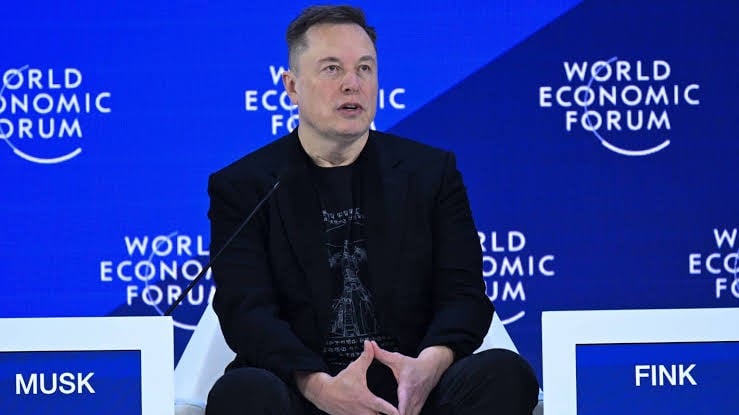
TikTok has reportedly permanently suspended the advertising account promoting Alex Gibney’s documentary Musk, raising concerns about potential content suppression as the film expands its theatrical release to nearly 500 screens. Distributor Bleecker Street is appealing the decision, which comes at a critical stage in the documentary’s promotional campaign.
The suspension has drawn attention to the influence social media platforms have over the distribution and promotion of films examining powerful public figures. With digital advertising playing an increasingly important role in attracting cinema audiences, restrictions on promotional accounts can create challenges for distributors seeking to reach viewers.
Although the decision has raised questions about whether controversial films face additional scrutiny on digital platforms, the circumstances surrounding the suspension remain unclear. The outcome of Bleecker Street’s appeal could provide further insight into the decision and its implications for the film’s marketing campaign.
Bleecker Street Appeals TikTok Suspension
Bleecker Street, the distributor handling Musk, is challenging TikTok’s reported decision to permanently suspend the film’s advertising account. The company’s appeal comes as the documentary expands its theatrical presence, making digital promotion particularly important for reaching audiences across different markets.
For independent film distributors, social media advertising offers a relatively direct way to introduce films to potential viewers. Short-form videos, trailers and targeted promotional campaigns can generate interest among audiences who might not encounter a documentary through traditional advertising or entertainment coverage.
Losing access to an advertising account during a theatrical expansion can disrupt these efforts. Distributors may need to redirect marketing budgets, develop alternative promotional strategies or rely more heavily on publicity, partnerships and organic social media engagement.

The suspension also raises questions about the explanations platforms provide when taking action against advertisers. Clear communication about the reasons for a restriction allows businesses to identify potential policy violations and challenge decisions they believe are incorrect.
Bleecker Street’s appeal represents an attempt to resolve the dispute through TikTok’s review process. Until the platform’s reasoning is clarified, however, it remains difficult to determine precisely why the account was suspended.
Alex Gibney’s Documentary Examines Elon Musk
The documentary is directed by Alex Gibney, an award-winning filmmaker known for investigative films examining influential individuals, institutions and organisations. His work frequently explores the relationship between power, accountability and public perception.
Musk focuses on Elon Musk, the entrepreneur whose businesses and public statements have made him one of the most prominent figures in technology and global business. Musk is associated with companies including Tesla and SpaceX and owns the social media platform X.
His influence has generated considerable public interest, alongside debate over his business decisions, political involvement and approach to leadership. A documentary examining his career and public role therefore has the potential to attract audiences with sharply differing perspectives.
The film’s expansion to nearly 500 screens marks an important stage in its theatrical release. A wider distribution can increase its visibility and provide more viewers with opportunities to watch it in cinemas.
However, expanding a release also increases the importance of an effective promotional strategy. Distributors must generate awareness across multiple locations while competing for audience attention in a crowded entertainment market.
TikTok has become a useful promotional channel for film campaigns because short videos can introduce audiences to new releases and encourage discussions around their themes. The reported suspension consequently creates uncertainty for the distributor as the documentary reaches a larger theatrical audience.
Suppression Concerns Raise Questions About Platform Power
The suspension has prompted concerns about whether social media platforms can limit the promotion of films dealing with controversial subjects or influential public figures. Such questions reflect a broader debate over the power private technology companies exercise over online visibility.
Advertising restrictions can affect how audiences discover films, particularly when distributors depend on digital campaigns to reach viewers beyond established fan bases. If an account is suspended shortly before or during a major release expansion, the resulting disruption may affect promotional reach and marketing efficiency.
Nevertheless, suspending an advertising account does not necessarily mean that a platform has banned the film or prevented users from discussing it. Paid advertising and organic content are governed by different mechanisms, and the availability of a film through cinemas is separate from its advertising status on a social media platform.
The distinction matters when evaluating allegations of suppression. Without a clear explanation from TikTok, the decision alone does not establish that the documentary was targeted because of its subject matter.
Advertising enforcement can involve policy violations, automated moderation systems or disputes over how particular content is classified. The platform’s explanation and the outcome of the appeal will be important in understanding the circumstances of this case.
Digital Advertising Becomes Essential for Film Releases
The dispute highlights the growing dependence of the entertainment industry on social media platforms. Independent distributors frequently operate with smaller marketing budgets than major studios, making targeted digital campaigns an important tool for generating awareness.
Platforms such as TikTok allow promotional material to reach specific audiences and encourage viewers to share their reactions. This can help documentaries build momentum, particularly when their subjects are already attracting public attention.
However, dependence on privately operated platforms also creates vulnerabilities. Advertising policies can change, accounts can be restricted and automated moderation systems can make decisions that advertisers consider inconsistent or unjustified.
Distributors must therefore balance digital advertising with other promotional methods, including press coverage, cinema partnerships, interviews, public events and campaigns across multiple platforms. Diversifying these channels can reduce the impact of restrictions affecting any single service.
At the same time, platforms have legitimate responsibilities to enforce their advertising rules. The central issue is whether those rules are applied consistently and whether advertisers have access to transparent explanations and meaningful appeal procedures.
Appeal Could Shape the Next Stage
Bleecker Street’s appeal will determine whether the distributor can regain access to the suspended advertising account or must continue promoting Musk through alternative channels. The result may also influence how the company approaches digital marketing for the remainder of the theatrical release.
The incident underscores the complicated relationship between online platforms, independent filmmaking and public debate. As documentaries increasingly examine influential business leaders and controversial subjects, decisions affecting their promotion are likely to attract scrutiny.
For now, TikTok’s reported suspension has raised questions about advertising moderation and transparency at a significant moment for Gibney’s documentary. Whether the decision represents routine policy enforcement or an instance of inappropriate restriction remains unresolved.

The platform’s response and the outcome of Bleecker Street’s appeal will be crucial in clarifying the situation as Muskcontinues its theatrical expansion.