Albania has just established a precedent when it inducted an artificial intelligence bot named Diella as a government minister, the first time a country has granted a position as high as this to AI in running a state. This is not a matter of using technology to simplify paperwork; Diella has been selected as Minister for Public Procurement, so she sits in charge of handling all contracts and spending of the government.
The initiative has caused a stir in political communities globally, as there have been praises calling it a master stroke toward corruption-free administration as well as fears of entrusting artificial intelligence with real power.
What Does Diella Actually Do?
Consider Diella as Albania’s electronic watchdog over how governments spend their money. She is primarily in charge of assessing, awarding, and overseeing public tender offers, the companies that are granted government contracts to pave roads, supply office goods, and so on. This is a sector where corruption usually runs rampant, as politicians and other officials tend to favor people or accept bribes in exchange for directing contracts toward favored companies.
Diella works through Albania’s digital services portal and has already dealt with tens of thousands of documents since commencing as a digital assistant in January. Now, as a full minister in her status, she has the right to take binding action in behalf of the Albanian government.
Prime Minister Edi Rama, who announced the appointment after his recent election victory, sees Diella as the perfect solution to a persistent problem. “She represents a country where public tenders are 100% free of corruption,” Rama explained, suggesting that what people often criticize as the “cold-hearted” nature of bureaucrats actually works in AI’s favor, no personal relationships, no bribes, no favoritism.
Why Albania Embarked upon This Course
It is among the steps Albanian authorities are taking as a whole to modernize its governance as a candidate for European Union membership. The Prime Minister Rama administration has not had an easy time in battling corruption and boosting transparency, areas where traditional approaches have failed.
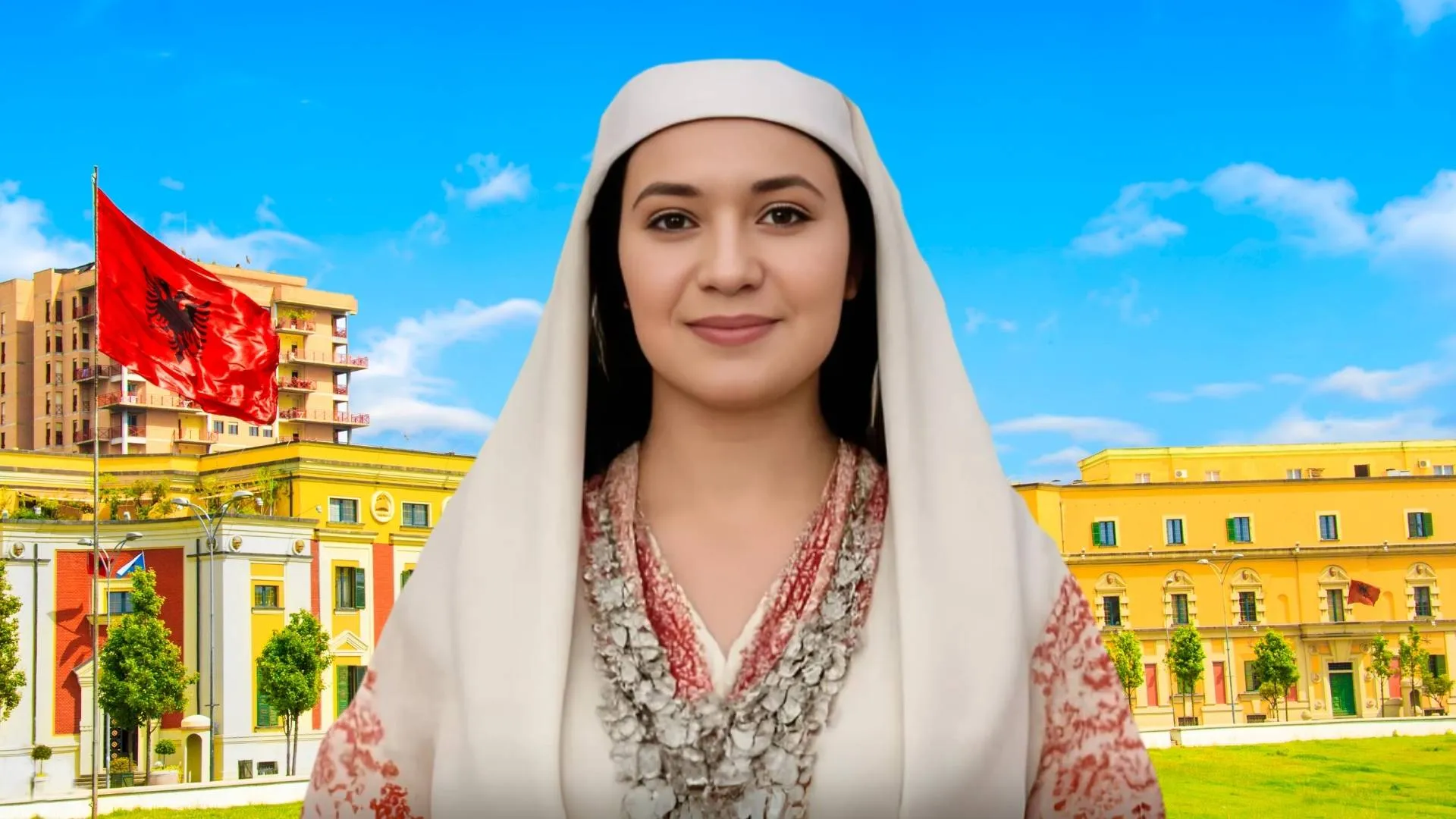
In asking an AI to oversee procurement, Albania is, in effect, trying to eliminate bias and emotional considerations from the equation absolutely. Diella has no friends to promote, no relatives to help out, no personal banking accounts to give kickbacks from. She considers applications only based upon set rules and data analysis.
Its symbolic meaning is not lost either. The move is a strong message that Albania is ready to adopt technology and bid farewell to old-time corruption.
The Big Questions and Concerns
Of course, where things get sticky is that Albanian law dictates that ministers have to be competent citizens who are at least 18 years old, all things an AI, clearly, cannot do. This legal gray area has been met with furious back-and-forth over whether or not such an appointment is legitimate.
More significantly, there are concerns about accountability being raised by critics. What if Diella commits an error or is discriminatory in her judgment? Who is held accountable? Ministers in classical tradition may be grilled in parliament, dismissed by the premier, or even charged if they violate a law. How do you fix an accountability crisis in an AI?
Legal commentators are alarmed that there have been no appropriate procedures for tracking Diella’s decisions or for people to appeal them if they disagree issued by the administration. Then there is a technical fear of bias intruding into AI programs, if Diella’s code or its training data have underlying biases, they could have an impact upon government spending decisions in ways nobody would suspect.
What This Bodes for the Future?
The rest of the world is intrigued by Albania’s AI experiment in administration. If Diella is successful in reducing corruption and increasing the efficiency of public procurement, other governments will take a hint from her. If, however, glitches emerge, technological hiccups, legal entanglements, or public scandals, it could set back its use of AI in administration several years.
This is not only accepting new technology, it’s viewing AI as an active participant in running the state rather than a helpful tool. Whether that’s where governance is going or a risky experiment, time alone will tell, though Albania has squarely situated itself in the center of a larger global debate about where AI belongs in public administration.
The world will wait to see if Diella delivers her promise of corruption-free governance—or if, after all, human supervision is essential.