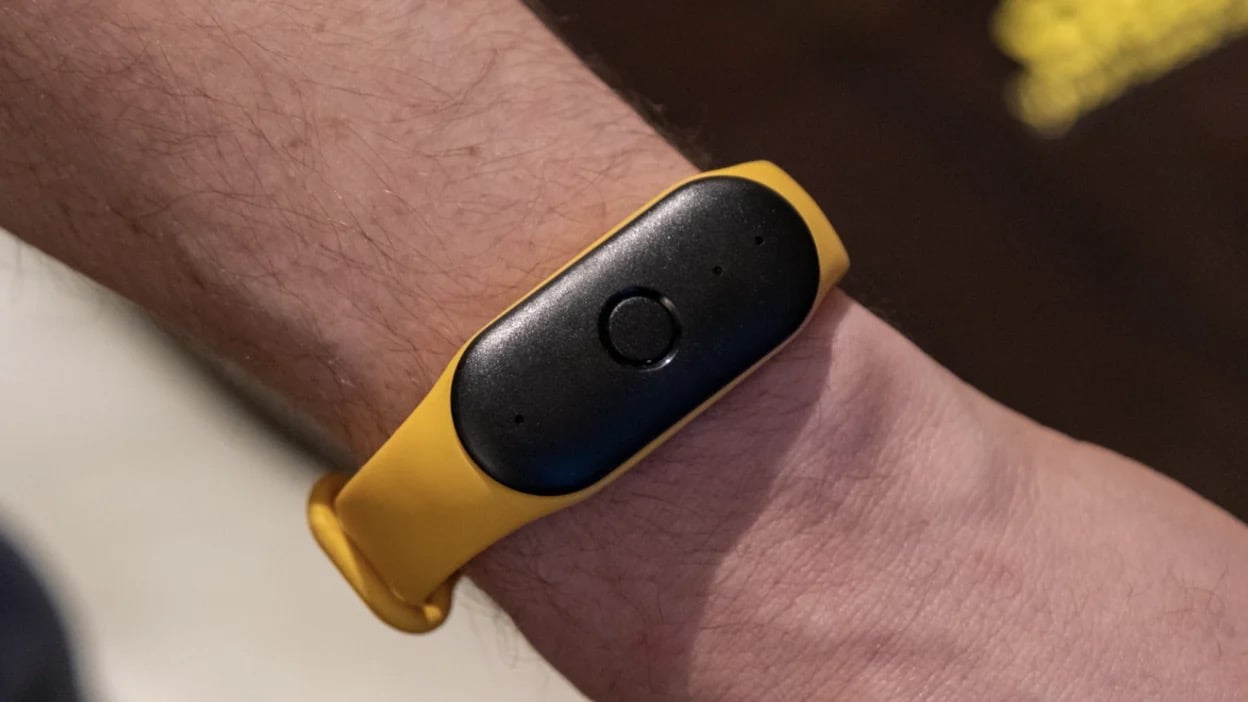
Amazon has unveiled an artificial intelligence-powered wearable designed to help people remember conversations, organise their schedules and turn spoken information into actionable tasks. The device, called Bee Frontier, is part of the company’s growing push into personal AI technology, bringing digital assistance closer to users’ everyday lives.
The wristband is designed to capture conversations, process speech and identify information that could be useful later. Rather than requiring users to take notes manually or remember every detail of a discussion, the AI assistant can generate summaries, highlight commitments and help users retrieve information from previous interactions.
The launch reflects a broader shift in consumer technology, as companies explore AI devices that can operate alongside people throughout the day. However, a wearable that listens to conversations also raises important questions about privacy, consent and how much personal information users are willing to share with an AI system.
How Amazon’s AI Wristband Works
The Bee Frontier is designed to function as a personal memory assistant. Worn around the wrist or attached to clothing, the device uses microphones and AI processing to identify relevant information from conversations.
For example, if someone discusses an upcoming appointment, the assistant could help them remember the date and time. During a workplace meeting, it could summarise key points, identify agreed responsibilities and highlight tasks that require follow-up.
The idea is to reduce the mental effort involved in remembering everyday details. Users would be able to review summaries through an accompanying application instead of relying entirely on handwritten notes or their memory.
The system can also connect with productivity services, including Gmail, Google Calendar and Microsoft Outlook. These integrations are intended to help users organise meetings, draft follow-up emails and manage commitments based on information gathered from their conversations.

The wearable is designed with a silicone band, dual microphones, water resistance and a battery that can last up to seven days. It is available in Onyx, Lavender and Sage colour options.
Amazon has also introduced the Bee Eclipse, a compact accessory that attaches magnetically to the back of a smartphone. The alternative device offers similar AI-assisted memory features in a different form factor and is designed for users who prefer not to wear a wristband.
Connecting Everyday Conversations With Alexa+
Amazon is expanding the functionality of its Bee devices through integration with Alexa+, its generative AI assistant. The connection is intended to make previously captured information easier to retrieve through natural-language interactions.
Instead of searching through notes or trying to remember exactly what someone said, users could ask the assistant to recall relevant details or identify outstanding tasks.
The system is also designed to connect information from conversations with everyday digital activities. If a discussion involves a deadline, for example, the assistant could help users organise their schedules or prepare reminders.
Amazon’s shopping ecosystem offers another potential application. Information about products mentioned during conversations could help generate personalised recommendations, allowing users to revisit items they expressed interest in purchasing.
These features demonstrate how Amazon is attempting to combine conversational AI, personal productivity and shopping services within a connected ecosystem.
Privacy Concerns Over Always-Listening AI
Despite its potential benefits, the technology raises significant privacy concerns. A wearable designed to listen to conversations could encounter sensitive information during meetings, personal discussions and interactions with people who have not knowingly agreed to participate in AI-assisted processing.
Amazon says its devices include privacy protections, such as controls for switching off processing and indicators showing when the system is active. The company also says audio is processed in real time and deleted after processing, while transcripts are encrypted and users can delete stored conversation summaries.
However, deleting audio does not necessarily eliminate every privacy concern. Written transcripts and AI-generated summaries may retain sensitive details even when the original recordings are no longer available.
Users must also consider how information moves between the wearable, its companion application and connected services. Calendar entries, emails and conversation summaries can reveal personal routines, professional relationships and confidential information.
The presence of an indicator light and a physical control may help users manage their own devices, but people nearby may not immediately understand when an AI system is processing a conversation. This makes transparency and consent important considerations, particularly in workplaces and private settings.
Pricing and Subscription Plans
The Bee Frontier is priced at $74.99, while the Bee Eclipse is expected to cost $99.99. Amazon is also offering a paid Bee Pro subscription for $11.99 per month.
Basic access includes conversation summaries, recaps and a limited memory history. The paid plan expands these capabilities with additional integrations, suggested tasks, daily memories and enhanced productivity features.
The subscription model could allow Amazon to generate recurring revenue while encouraging customers to make its AI services a regular part of their daily routines.

The Future of Wearable AI
Amazon’s AI wearable reflects a growing effort across the technology industry to move artificial intelligence beyond chatbots and smartphone applications. These emerging products aim to understand users’ needs in context, retrieve relevant information and provide assistance without requiring constant manual input.
For professionals managing multiple projects, students handling academic commitments and individuals with busy schedules, the ability to retrieve forgotten details could be valuable. However, the usefulness of such devices will depend on their accuracy, reliability and ability to distinguish genuinely important information from ordinary conversation.
Ultimately, Amazon is betting that people will welcome an AI assistant capable of remembering details they might otherwise forget. Whether users embrace the idea will depend on more than convenience. They will also need confidence that their conversations remain private and that the technology gives them meaningful control over what it remembers.
The Bee Frontier therefore represents both an opportunity and a challenge for personal AI. It promises to make everyday information easier to manage, while forcing consumers to reconsider the boundaries between useful digital assistance and constant technological observation.