Despite being among the wealthiest individuals on the planet, the annual pay of Jeff Bezos paints a totally contrasting picture.
As the founder of Amazon, Jeff Bezos has accumulated wealth amounting to an approximate value of $254 billion, making him third on the lists of the world’s wealthiest individuals, according to rankings such as the Bloomberg Billionaires Index. Notably, Bezos was paid $81,400 per annum throughout the years he served as the company’s CEO.
This figure has remained unchanged since 1998.
Why Jeff Bezos Chose Equity Over Salary?
On a cursory look, it may sound bizarre. It is hard to comprehend how an individual of such wealth could earn much less than average middle-level employees in any firm. However, there is an explanation to this phenomenon.
Bezos never relied on salary to build wealth. Instead, he owned a large stake in Amazon from the start. Today, he still holds about 8% of the company, making him its largest shareholder. At current stock prices, that stake is worth over $200 billion. So while his salary stayed low, his net worth rose with Amazon’s growth.
This approach is not common, but it is not unheard of. Founders often choose equity over cash. Equity gives them a direct stake in the company’s success. If the company grows, their wealth grows with it. If it fails, they lose too.
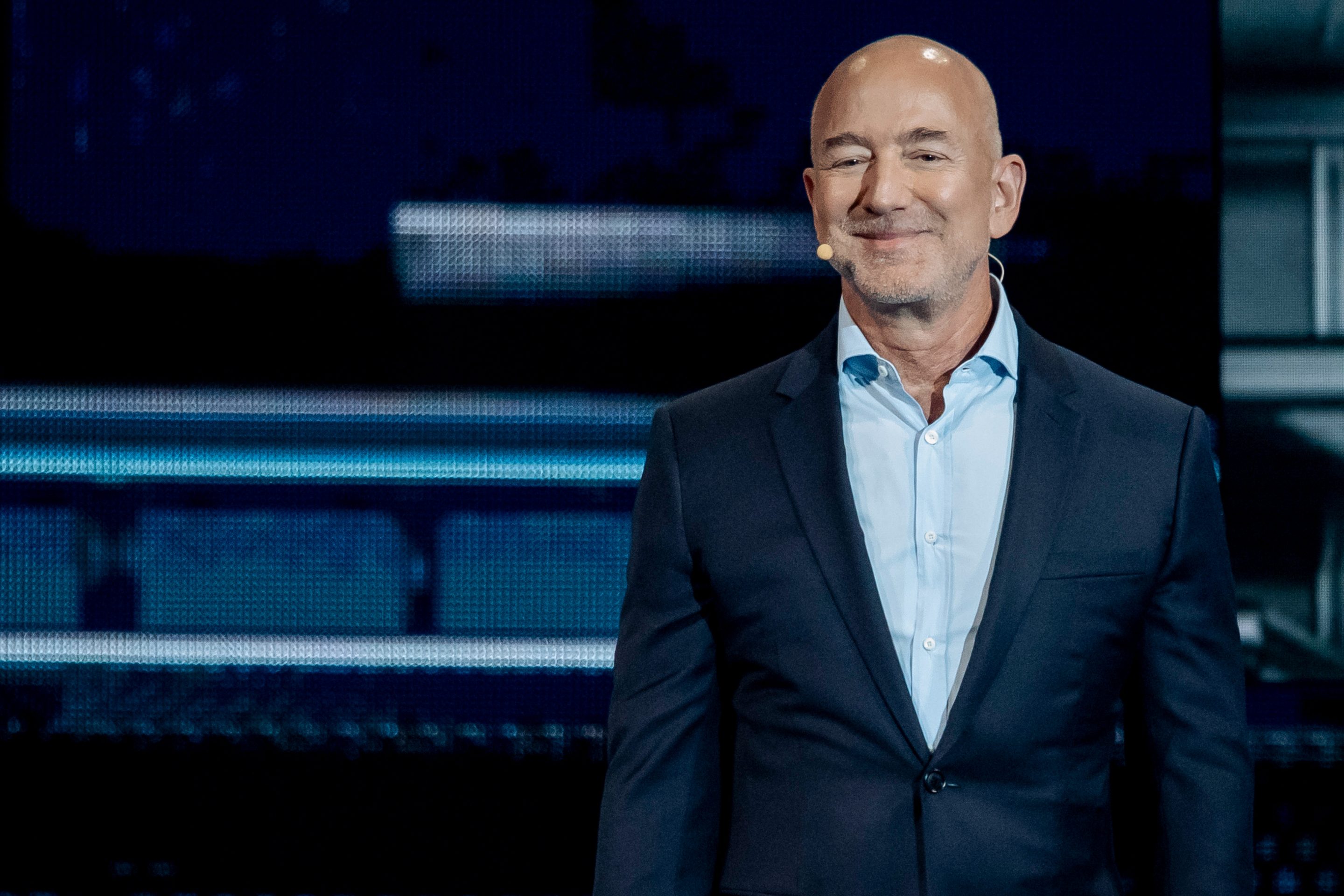
Bezos has said he kept his salary low by choice. In a past interview at the New York Times DealBook Summit, he explained that he already owned enough of the company. Taking more pay or stock did not feel right to him. He did not need extra incentives to stay motivated.
There is also a practical side to this decision. A low salary reduces taxable income. Most of Bezos’s wealth sits in assets like stocks, which are taxed only when sold. This allows him to manage when and how he pays taxes. Reports from ProPublica have highlighted how billionaires use this structure to keep their effective tax rates low.
Understanding Amazon’s Executive Compensation Philosophy
Amazon’s pay structure reflects this philosophy. The company keeps base salaries for top executives lower than many peers. Instead, it ties compensation to long-term stock performance. This aligns leadership with shareholders. If the stock performs well, executives benefit. If not, their pay does not grow much.
After Bezos stepped down as CEO in 2021, Andy Jassy took over. Jassy’s base salary is $365,000, which is still modest by big tech standards. Like Bezos, most of his compensation comes from stock awards. These can rise or fall based on Amazon’s performance over time.
Other Amazon leaders follow the same model. Executives such as Matt Garman and Doug Herrington also receive relatively low base salaries, with stock making up the bulk of their pay.
Even after stepping down, Bezos still receives certain benefits. As executive chairman, he gets security and travel support. Amazon spent about $1.6 million on these costs in the past year. The company says these expenses are necessary due to his profile and role.
It is important to understand what “salary” means in this context. For most people, salary is the main source of income. For someone like Bezos, it is almost irrelevant. His wealth does not come from a paycheck. It comes from ownership.
Jeff Bezos and the Strategy of Stock-Based Compensation
Such a difference between one’s earnings and net worth can cause a lot of misunderstandings. The income of $81,400 per year would normally place one within the middle class in America. For Bezos, however, the mentioned figure is not relevant at all.
In addition to that, it shows an overall tendency observed in modern corporate world when executives earn more from their stocks than cash compensation. This helps concentrate on the company’s future rather than present-day profits. In times of crisis, such an approach can be advantageous for companies too, because fixed costs remain smaller.
Still, the system has its critics. Some argue that stock-based pay can widen inequality. Others say it allows the ultra-wealthy to avoid taxes more easily. Supporters, on the other hand, believe it rewards performance and aligns incentives.
In Bezos’s case, the strategy worked well. He built Amazon into one of the world’s most valuable companies while keeping his official salary modest. His story shows that in modern business, salary is not always the best measure of success.
In fact, for the richest people in the world, it may matter the least.