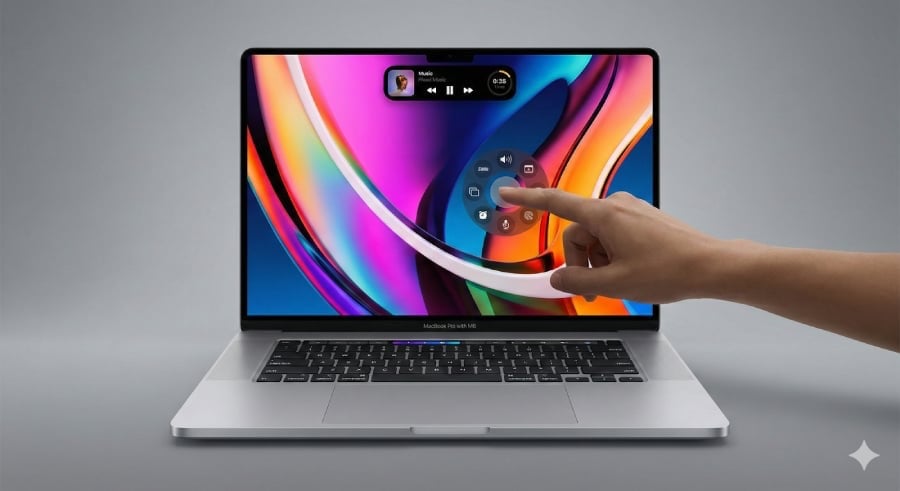
Apple has added the iPhone X and the 2018 MacBook Pro to its obsolete products list, marking the end of an important chapter for two devices that played significant roles in the company’s transition toward its modern hardware lineup.
The classification does not mean that the devices will suddenly stop working. Owners can continue using them as long as the hardware and software remain functional. However, being designated as obsolete generally means Apple and its authorized service providers will no longer provide regular hardware repairs or guarantee the availability of replacement parts.
For owners who have held on to these devices for years, the announcement is another reminder of how quickly consumer technology moves forward.
iPhone X Marks a Major Milestone
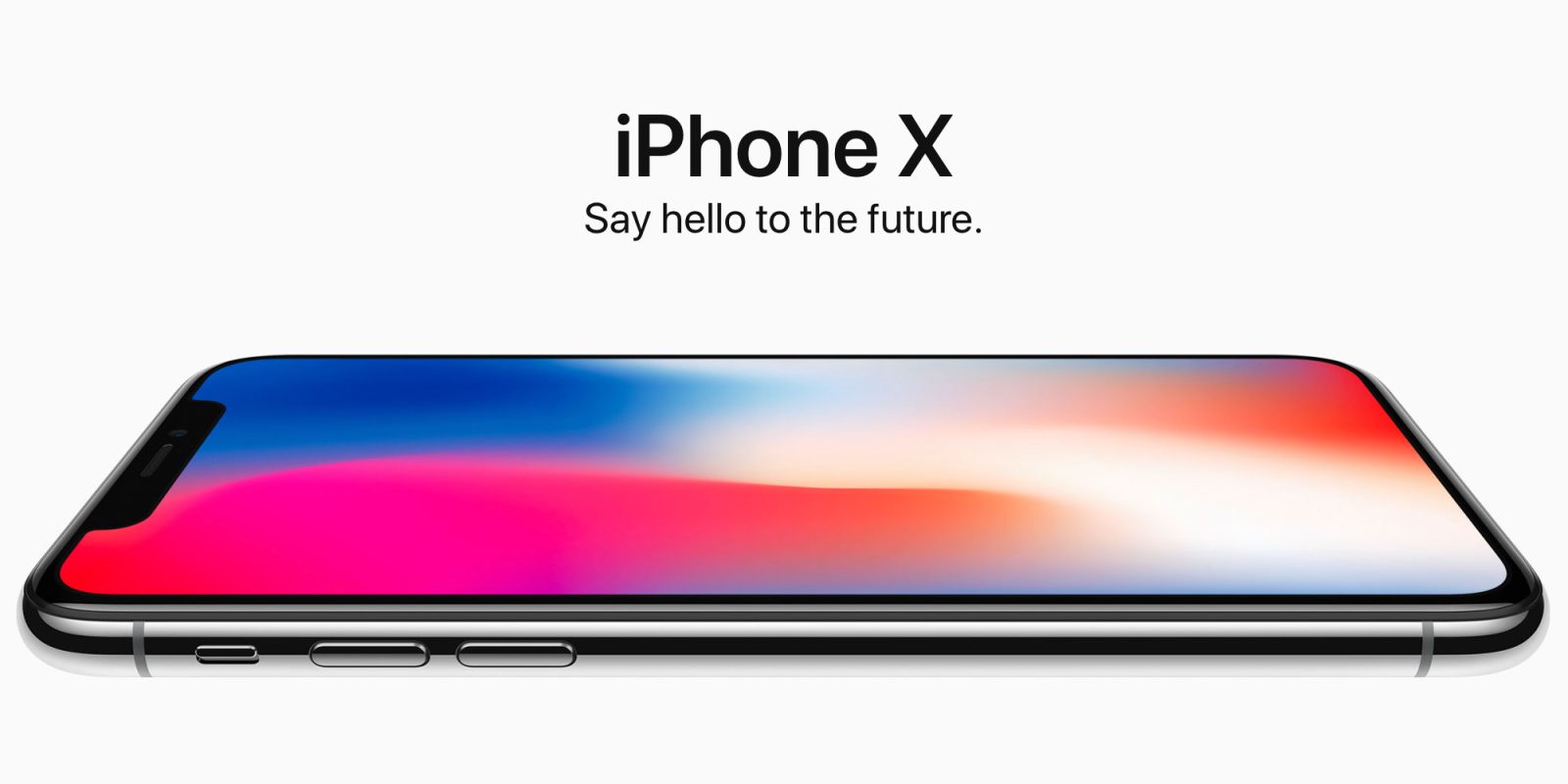
The iPhone X was introduced in 2017 as a special anniversary model celebrating a decade of the iPhone. Unlike previous iPhones, it abandoned the familiar Home button and introduced a radically redesigned front.
Its edge-to-edge OLED display, Face ID authentication and distinctive notch became defining features of Apple’s smartphone strategy.
The iPhone X also introduced a new interaction model. Users navigated the device primarily through gestures rather than a physical button, while Face ID replaced Touch ID for biometric authentication.
At the time, the changes represented a significant departure from Apple’s established iPhone design.
Underneath the display, the phone was powered by Apple’s A11 Bionic chip and featured a dual-camera system. Although its specifications now appear modest compared with modern smartphones, the iPhone X was considered a premium flagship when it launched.
More importantly, many of the design decisions introduced with the iPhone X influenced subsequent generations of iPhones.
The device eventually became outdated as Apple introduced newer processors, improved cameras, larger displays, satellite connectivity, advanced computational photography and other technologies.
Its move to the obsolete list therefore represents more than the retirement of an old smartphone. It marks the formal end of the hardware-support era for one of Apple’s most influential iPhones.
The 2018 MacBook Pro Reaches the Same Point
The 2018 MacBook Pro represents another important period in Apple’s history.
It belonged to the Intel-based generation of Mac computers and arrived at a time when Apple was attempting to make its professional laptops thinner, lighter and more powerful.
The laptop featured Retina displays, Intel processors, Thunderbolt connectivity and Apple’s butterfly keyboard mechanism.
The keyboard became one of the most controversial aspects of Apple’s laptops during this period. Users reported problems including keys becoming unresponsive or registering incorrectly, sometimes because of dust and other small particles getting underneath the mechanism.
Apple eventually moved away from the butterfly keyboard and returned to a more conventional keyboard design.
The 2018 MacBook Pro also belongs to Apple’s pre-Apple Silicon era.
In 2020, Apple began replacing Intel processors in its Macs with its own M-series chips. The transition fundamentally changed the company’s computer lineup, offering significant improvements in performance and power efficiency.
As a result, the 2018 MacBook Pro now sits several generations behind Apple’s latest MacBook models.
What Does Obsolete Actually Mean?
Apple’s obsolete classification can sound more dramatic than it is.
A device does not stop working when it becomes obsolete. An iPhone X can still make calls, run compatible applications and perform everyday tasks. A 2018 MacBook Pro can still browse the web, run supported software and handle many common productivity tasks.
The key difference is hardware service.
Once Apple classifies a product as obsolete, official repair options become extremely limited. Apple generally stops providing hardware service and authorized service providers may no longer have access to the necessary replacement components.
This becomes particularly important when an older device experiences a major hardware failure.
For example, if an iPhone X develops a serious display or logic-board problem, obtaining an official repair could become difficult. Similarly, owners of an older MacBook Pro may find repairs increasingly complicated if important internal components fail.
Third-party repair shops may still offer solutions, depending on the availability of compatible parts.
Software Support Is Different
It is also important to understand that Apple’s obsolete classification primarily concerns hardware service.
Software support follows a separate timeline.
Older Apple devices can lose compatibility with newer operating systems before they officially become obsolete. This means a product may continue functioning while gradually losing access to new software features, security updates and application compatibility.
For iPhone X owners, this is particularly significant because modern versions of iOS increasingly require newer hardware capabilities.
The same issue applies to Intel-based Macs. Apple’s transition toward Apple Silicon means that some newer software features are increasingly designed around its own processors.
Consequently, even if an older MacBook continues working perfectly, its usefulness may gradually decline as software requirements change.
Should Owners Replace Their Devices?
The announcement does not mean every iPhone X or 2018 MacBook Pro owner needs to immediately purchase a new device.
If the device continues to perform adequately and meets the user’s requirements, there is little reason to replace it solely because Apple has classified it as obsolete.
However, owners should consider the risks associated with continuing to rely on aging hardware.
Battery degradation is one obvious concern for older iPhones. Storage limitations, slower processors and software compatibility can also become increasingly noticeable.
For MacBook Pro owners, battery health, keyboard condition, display quality and compatibility with current applications may determine whether continuing to use the laptop remains practical.
The cost of repairing an older device should also be considered carefully. If an expensive component fails, replacing the entire device may make more financial sense than investing heavily in aging hardware.
The End of an Apple Era
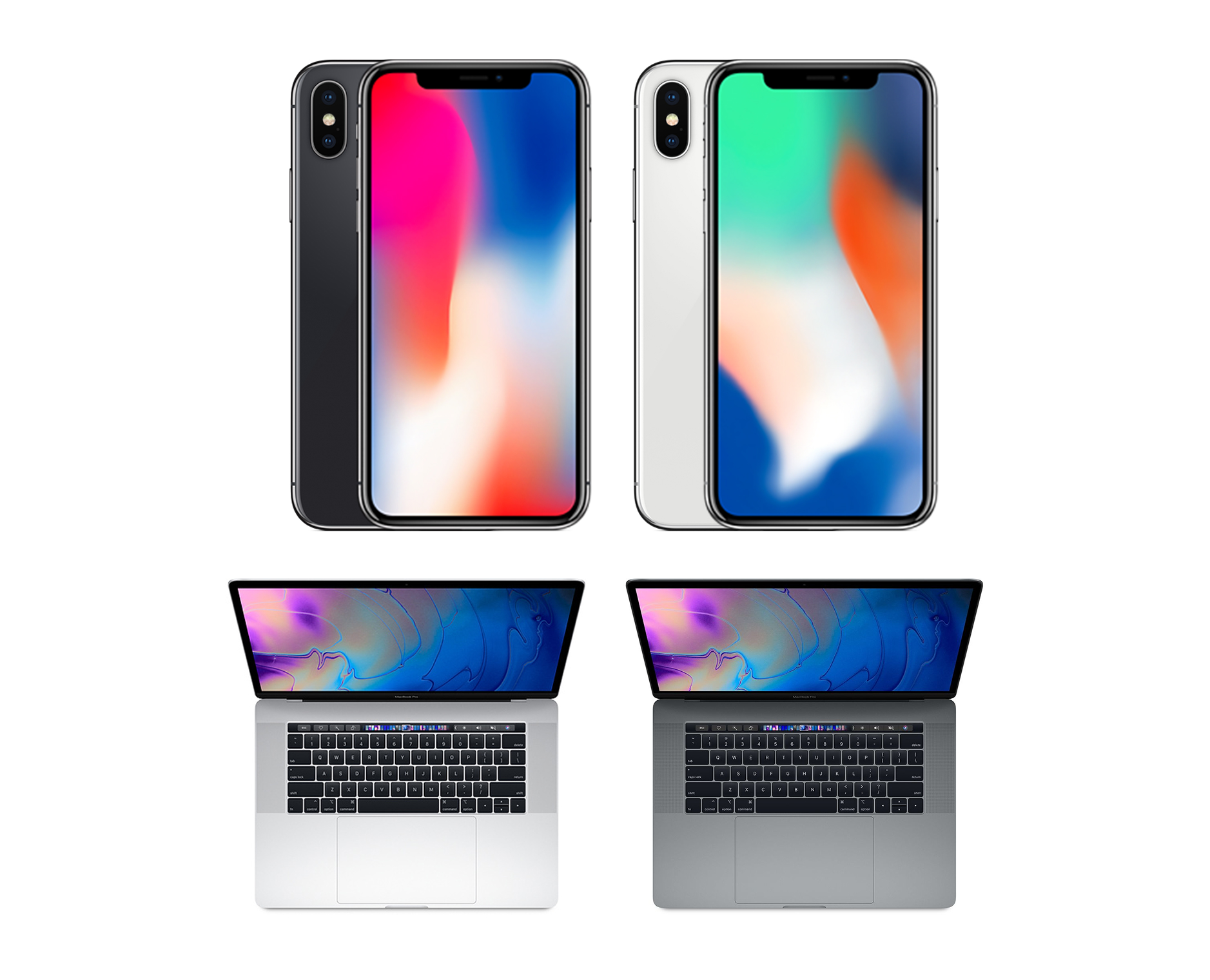
The iPhone X and 2018 MacBook Pro represent two important moments in Apple’s product history.
The iPhone X helped establish the modern iPhone design, while the 2018 MacBook Pro represents the final years of Apple’s Intel-based Mac era.
Both products have since been surpassed by generations of faster processors, improved displays, better cameras and more efficient hardware.
Their addition to Apple’s obsolete products list is therefore a natural conclusion to their long product lifecycles.
For existing owners, nothing changes overnight. Their devices can continue working, and third-party repair options may remain available.
But Apple’s latest classification makes one thing clear: the company has officially moved these products into the final stage of their lifecycle. For consumers still using them, the devices may have plenty of life left — but the era of dependable official hardware support is coming to an end.