
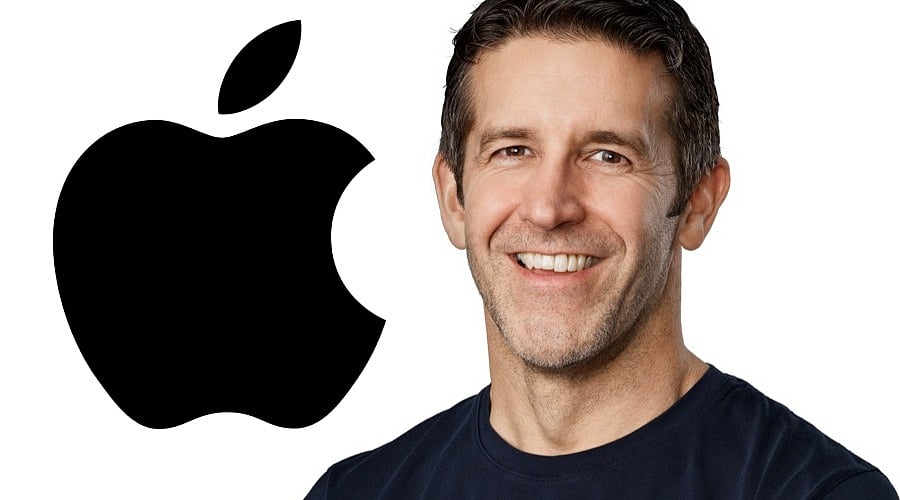
Apple is entering a new phase under CEO John Ternus, with the longtime hardware engineering executive reportedly making changes to the company’s management structure and pushing teams to move products to market faster.
Only weeks into his tenure as chief executive, Ternus is said to be reducing the number of senior engineering program managers while encouraging Apple teams to move beyond the company’s traditional spring and fall release windows. The changes could mark a significant shift for a company known for its carefully controlled product-development process and predictable launch calendar.
Ternus, a mechanical engineer by training, spent years working within Apple’s hardware organization before becoming CEO. His background gives him extensive experience with the complicated process of taking products from early concepts to mass production.
Now, he appears to be bringing that engineering-focused approach to the company’s broader operations.
Apple Looks to Reduce Management Layers
One of the key changes reportedly involves senior engineering program managers, or EPMs.
These managers play an important role at Apple by coordinating different engineering teams working on complex products. They help ensure that hardware, software, design, manufacturing and other departments remain aligned throughout the development process.
Apple’s products require enormous coordination. A new iPhone, Mac or other device can involve thousands of employees working across multiple countries and specialized teams.
However, large organizations can also become slower as projects pass through multiple layers of management.
Ternus is reportedly looking to reduce some of those layers. The objective appears to be creating a leaner organization in which engineering teams can make decisions faster and move projects forward with fewer management steps.
Such a restructuring could give individual teams more responsibility while reducing the number of people required to coordinate development.
At the same time, the move could create challenges for Apple’s traditionally centralized approach to product development.
Moving Beyond the Spring-Fall Calendar
The other major change involves Apple’s product-release schedule.
For years, consumers have become familiar with Apple’s launch rhythm. The company typically introduces major products at carefully selected events throughout the year, with the fall period particularly important because of the annual iPhone lineup.
Apple has also used spring events and other announcements to introduce new Macs, iPads and accessories.
While the company has released products outside these windows, its overall strategy has generally followed a predictable pattern.
Ternus is reportedly pushing teams to become less dependent on those established periods.
Instead of waiting for a major event or traditional launch season, Apple could release products whenever they are ready.
That would give the company more flexibility and potentially allow it to respond faster to changes in consumer demand and technology.
For customers, it could mean that new Apple products and upgrades appear throughout the year rather than being concentrated around a handful of major announcements.
Why Speed Matters
The push for faster development comes at a time when the technology industry is changing rapidly.
Artificial intelligence has become one of the biggest areas of competition among technology companies. Smartphone makers, computer manufacturers and software companies are racing to introduce AI-powered features and services.
Apple has been developing its own artificial intelligence capabilities while integrating the technology into its broader hardware and software ecosystem.
A faster development process could allow Apple to introduce new AI capabilities and hardware improvements more quickly.
The company also faces competition from manufacturers that operate on much shorter product cycles. Smartphone companies in markets such as China regularly introduce new models and hardware updates throughout the year.
Apple’s emphasis on careful testing and refinement has traditionally been one of its defining characteristics. But a slower development process can also make it harder to respond quickly when competitors introduce new technologies.
Ternus may therefore be trying to find a balance between Apple’s traditional approach and the faster pace of the modern technology industry.
An Engineer at the Top
Ternus’s background makes the changes particularly notable.
Unlike leaders who primarily come from finance, sales or marketing, Ternus spent much of his Apple career working directly with hardware engineering teams.
He was involved in the development of several major Apple products and technologies before eventually becoming one of the company’s most senior executives.
His promotion to CEO suggests that engineering and product development could remain central to Apple’s strategy.
The decision to reduce management layers could reflect his familiarity with how products are actually built and the obstacles that can slow down engineering organizations.
Rather than simply adding more resources to development teams, the strategy appears to focus on removing some of the organizational complexity surrounding them.

The Risk of Moving Too Quickly
Faster development does not come without risks.
Apple has built its reputation partly on the quality and consistency of its products. Devices are typically subjected to extensive testing before reaching customers.
Reducing development time could potentially put additional pressure on engineers and other teams.
There is also a risk that a leaner management structure could make coordination more difficult. Apple’s products are tightly integrated, and changes to one component can affect many other parts of a device or software platform.
For example, hardware decisions can influence software development, manufacturing requirements and supply chains. Effective coordination remains essential even if management layers are reduced.
Ternus will therefore have to ensure that faster decision-making does not come at the expense of Apple’s product standards.
A New Direction for Apple
The reported changes suggest that Ternus wants Apple to become more agile without abandoning its emphasis on quality.
The company is entering a period of major technological change, with artificial intelligence, custom chips, wearables and new computing formats shaping the industry’s future.
A more flexible product calendar could allow Apple to respond to these developments more quickly.
It could also change how consumers think about Apple launches. Instead of expecting major announcements primarily during traditional events, customers could see more frequent product introductions throughout the year.
For Apple employees, meanwhile, the restructuring could mean fewer management positions, greater responsibility for individual teams and increased pressure to deliver products quickly.
Ternus’s early decisions will ultimately reveal how significantly he intends to reshape Apple’s culture.
The company remains one of the world’s largest technology businesses, and changing its development process will not happen overnight. But cutting management layers and encouraging teams to release products outside traditional launch windows could represent an important shift in Apple’s approach.
For Ternus, the challenge will be to make Apple faster without making it careless. The company’s future product strategy may depend on whether it can achieve that balance while maintaining the design, reliability and integration that customers have come to expect.