Apple’s artificial intelligence ambitions are facing a serious talent crisis as another wave of top researchers abandons the iPhone maker for competing tech giants. The latest exodus includes the company’s lead robotics AI researcher and three more specialists from its core language models team, raising questions about the ability of Apple to keep pace in the rapidly evolving AI landscape.
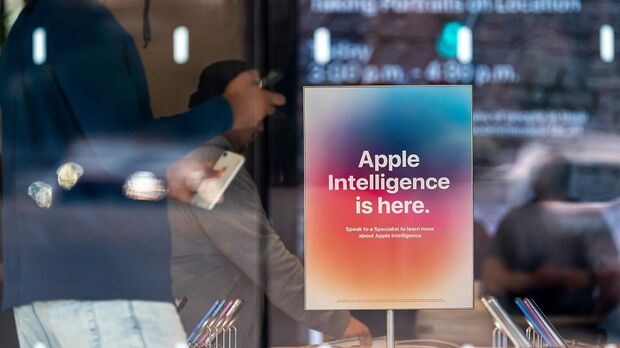
Jian Zhang, who headed Apple’s robotics AI research efforts, has joined Meta’s Robotics Studio this week, the social media giant confirmed Tuesday. His departure comes alongside three other significant losses from Apple’s Foundation Models team, the very group responsible for creating Apple Intelligence, the company’s flagship AI platform launched last year.
The trio leaving includes John Peebles and Nan Du, both heading to OpenAI, and Zhao Meng, who’s joining Anthropic. These moves represent just the tip of the iceberg for Apple’s AI division, which has now lost roughly 10 team members in recent weeks alone.
Apple AI Talent Exodus, A Blow to Its Strategic Ambitions
The talent hemorrhage began with Ruoming Pang, who led Apple’s entire models team before departing for Meta with a jaw-dropping $200 million, multi-year compensation package.
Such astronomical offers have become Meta’s weapon of choice in the AI talent wars, though the strategy hasn’t been without its bumps. According to Wired, several recently hired AI researchers have already quit Meta, suggesting the revolving door spins both ways.
Apple’s robotics division is taking an especially hard hit. Zhang’s team, though small, focused on cutting-edge automation technology and AI integration crucial areas for Apple’s future product pipeline.
The company has ambitious plans for robotics, including a tabletop device with a moving screen and robotic arms for retail and manufacturing use. Zhang’s departure follows that of Mario Srouji, one of his key reports, who left in April to lead AI products at Archer Aviation.
The timing couldn’t be worse for Apple. The company is already grappling with lukewarm reception to Apple Intelligence and is reportedly considering whether to rely more heavily on external AI technology rather than building everything in-house. This strategic uncertainty has contributed to plummeting morale among remaining AI staff, sources indicate.
Is Apple’s Closed Culture Hurting its AI Future?
Wall Street took notice of the talent drain, with Apple shares dipping to session lows Tuesday following news of the departures. The stock closed down 1.5% at $228.77, reflecting investor concerns about the company’s AI competitiveness.
At the same time, Meta is spending heavily to build its expertise in AI and robotics functions. Alongside smart glasses and AI functions, the company is spending heavily to create operating systems and hardware components for robots that are humanoid robots. Zhang will work on product development for Meta’s Robotics Studio in Reality Labs.
The competitive pinch is intense across the tech world. OpenAI, Anthropic, and Meta are all hiring at frenetic rates and offering salary-and-benefit deals that Apple has not countered.
For researchers for whom bleeding-edge AI innovation is their priority, these firms typically offer greater funding, faster decision-making, and more defined career paths to seeing their creations in the hands of end-users.
Its problems go beyond compensation. Apple’s traditionally closed culture and long product-development cycles can be alienating to AI researchers eager to publish their work and communicate with other segments of the scientific community. Meta and OpenAI, by contrast, encourage greater openness and more rapid iteration.
The brain drain doesn’t show any sign of stopping. Sources say several dozen Apple AI workers are currently interviewing elsewhere, meaning the outflow of talent is likely to persist over the next few weeks.
For a company that takes pride in owning its own technology stack, its reliance on outside AI vendors and external expertise is a major strategic change that threatens to redefine Apple’s future in AI.