


Personal AI services such as Meta’s Muse promise help with everyday tasks. QBod founder and CEO Michele Balco sees an opportunity to apply that same idea to fitness and wellness, giving people an AI coach to help them work toward their goals.
Through QBod, her subscription app available on iPhone and Android, Balco is bringing training, nutrition and recovery into one ongoing coaching conversation. Coach Q, the app’s AI coach, uses a person’s goals, current plan and logged activity to guide meal choices, adapt workouts and review progress.
Balco’s approach draws on more than 20 years leading strategic portfolios and technology transformations at a Fortune 100 financial services company. She brought that experience to a familiar personal challenge: maintaining a fitness routine around a demanding career and family life.
From financial services to fitness AI
Balco recognized a familiar technology problem in her own fitness routine: information spread across systems that did not work together.
She worked with trainers, tried different studios and studied nutrition, performance and recovery. Yet understanding how those efforts influenced one another still required her to piece together information from separate tools.
“AI is transforming how we work,” Balco said. “I saw an opportunity to bring that same progress to how we care for ourselves.”
That idea became the foundation for QBod. Balco designed the platform around a coaching conversation that considers food, training, sleep, recovery and personal goals together.
Her experience leading technology transformations also shaped her focus on adoption. For QBod, the challenge was making that connected information useful at the moment someone needed to make a decision.
How Coach Q handles everyday decisions
A fitness plan can look straightforward at the beginning of the week. Meetings, travel and family commitments can quickly change the time available to follow it.
Coach Q gives users a way to discuss those changes within the context of their goals and current plan. Someone with a shorter window to train can ask about adapting a session. During a workout, the coach can propose changes to weights, repetitions or exercises for the user to review and confirm.
Food decisions receive the same attention. Users can photograph a meal or describe it by voice, then review the food and portion estimates before saving them. QBod’s Dining Out Coach ranks menu options against remaining macronutrient targets, helping users choose a meal that fits their plan.
Fitting fitness around a full-time job
Balco points to an early user’s experience to illustrate how Coach Q can fit around a demanding schedule.
The user commuted and worked in an office five days a week. She wanted to prioritize her health, but coordinating with a personal trainer added time and expense. She checked in during breaks to plan workouts around her available time. Seeing training, sleep and nutrition together also helped her pay closer attention to protein intake.
Over time, she reported losing weight and having more energy.
“People don’t need another full-time job managing their fitness goals,” Balco said. “They need coaching that can keep up with the job and the life they already have.”
Q-Score: Tracking consistency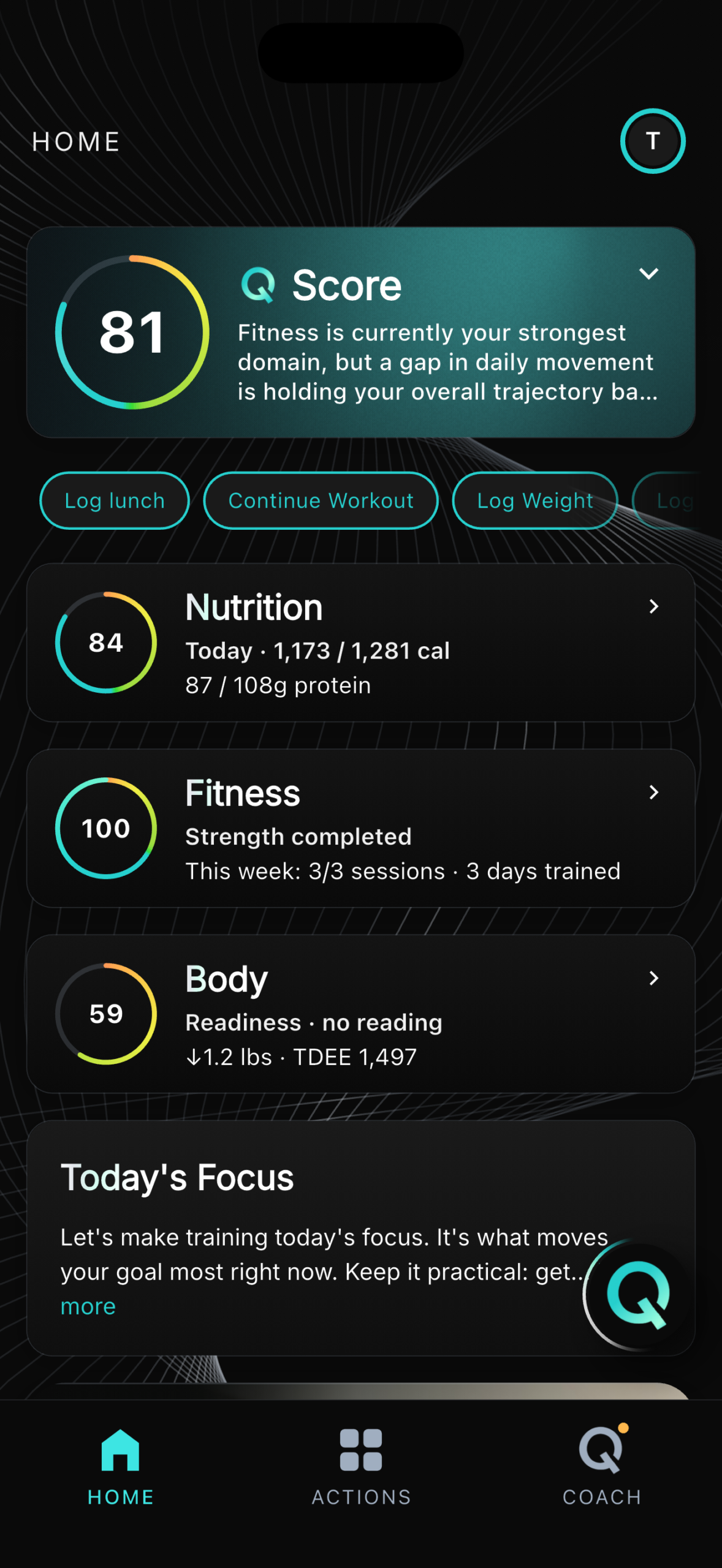 QBod’s Q-Score focuses on daily follow-through across nutrition, fitness and recovery. It is designed to show how closely a user’s actions align with the goals they have set, rather than serve as a health grade or a measure of physical results.
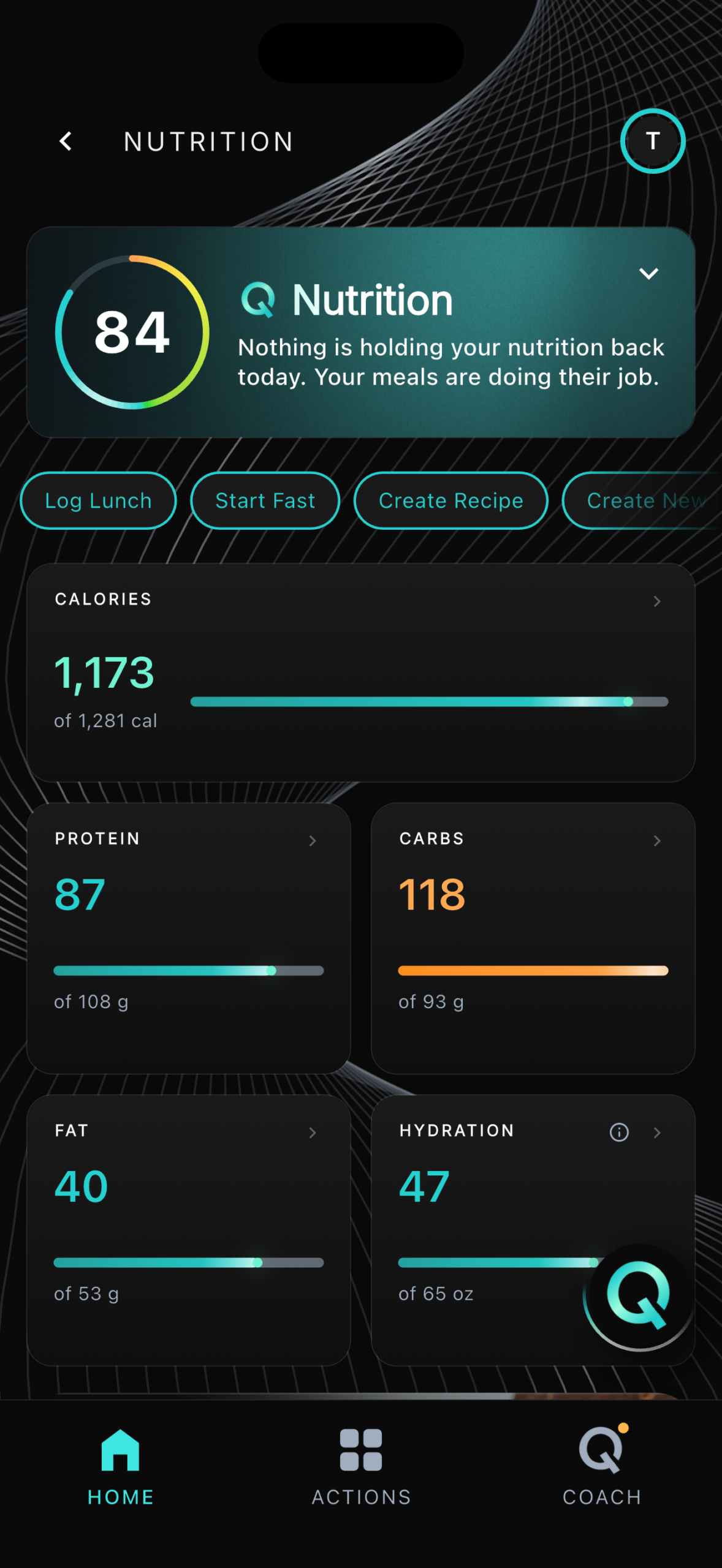
The coaching approach draws on established training and nutrition principles, according to QBod. Progressive overload – the gradual increase in training demands – informs programming, while food intake, sleep and soreness help guide workout adjustments.
The subscription model behind QBod
QBod lists its subscription at $9.99 a month or $59.99 annually, with the same features included in both options. Membership combines Coach Q conversations with training and nutrition targets, food logging, meal planning and weekly reviews.
“Personalized coaching has often come with a price tag that puts it out of reach,” Balco said. “We wanted to make it an everyday resource, something people could build into their budget and their routine.”
Meta’s push into personal AI reflects a growing focus on assistance that understands a user’s context and helps them act. QBod brings that approach to fitness, nutrition and recovery, helping users navigate the small, everyday choices that shape progress over time.
“Your goals may stay the same while your week changes completely,” Balco said. “Your coach should help you adjust without losing sight of what you’re working toward.”