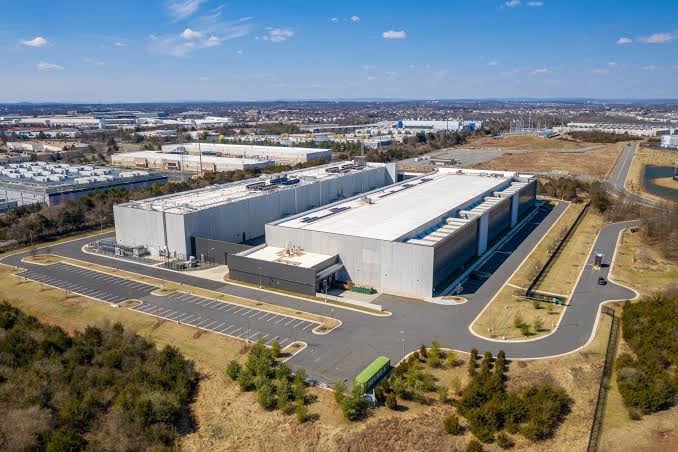
At least 17 data center campuses have been proposed on public lands across the western United States, highlighting the growing demand for infrastructure to support artificial intelligence and cloud computing. At least 35 data center-related applications covering more than 24,000 acres of federal land are pending or active across six Western states, according to an analysis by conservation group Center for Western Priorities.
The proposals reflect the rapid expansion of the AI industry, which has driven technology companies to seek additional land, electricity and infrastructure for large-scale computing operations. However, the growing interest in federal property has raised concerns about environmental protection, water consumption and the long-term management of public resources.
As the United States seeks to strengthen its position in artificial intelligence, the proposed developments could intensify debate over how public lands should be used and whether large commercial facilities can coexist with conservation priorities.
AI Boom Drives Demand for Data Centers
Data centers have become essential to the modern digital economy, providing the computing power required for cloud services, online platforms and artificial intelligence applications.
The growing popularity of generative AI has accelerated investment in these facilities. Training and operating advanced AI models require powerful processors, extensive storage capacity and sophisticated networking systems. Technology companies are consequently investing heavily in infrastructure capable of supporting increasingly demanding workloads.
Finding suitable locations for these facilities has become a significant challenge. Developers must consider land availability, electricity access, cooling requirements and connectivity when selecting sites.
Federal lands are attracting attention because some locations offer large areas that could accommodate extensive data center campuses and supporting infrastructure. However, developing such sites may require additional roads, transmission lines, electrical substations and cooling systems.
The proposals across six Western states demonstrate the growing competition for locations capable of supporting the next generation of computing infrastructure.
More Than 24,000 Acres Under Consideration
The Center for Western Priorities identified at least 35 data center-related applications covering more than 24,000 acres of federal land. These applications include proposals at different stages of activity and consideration.
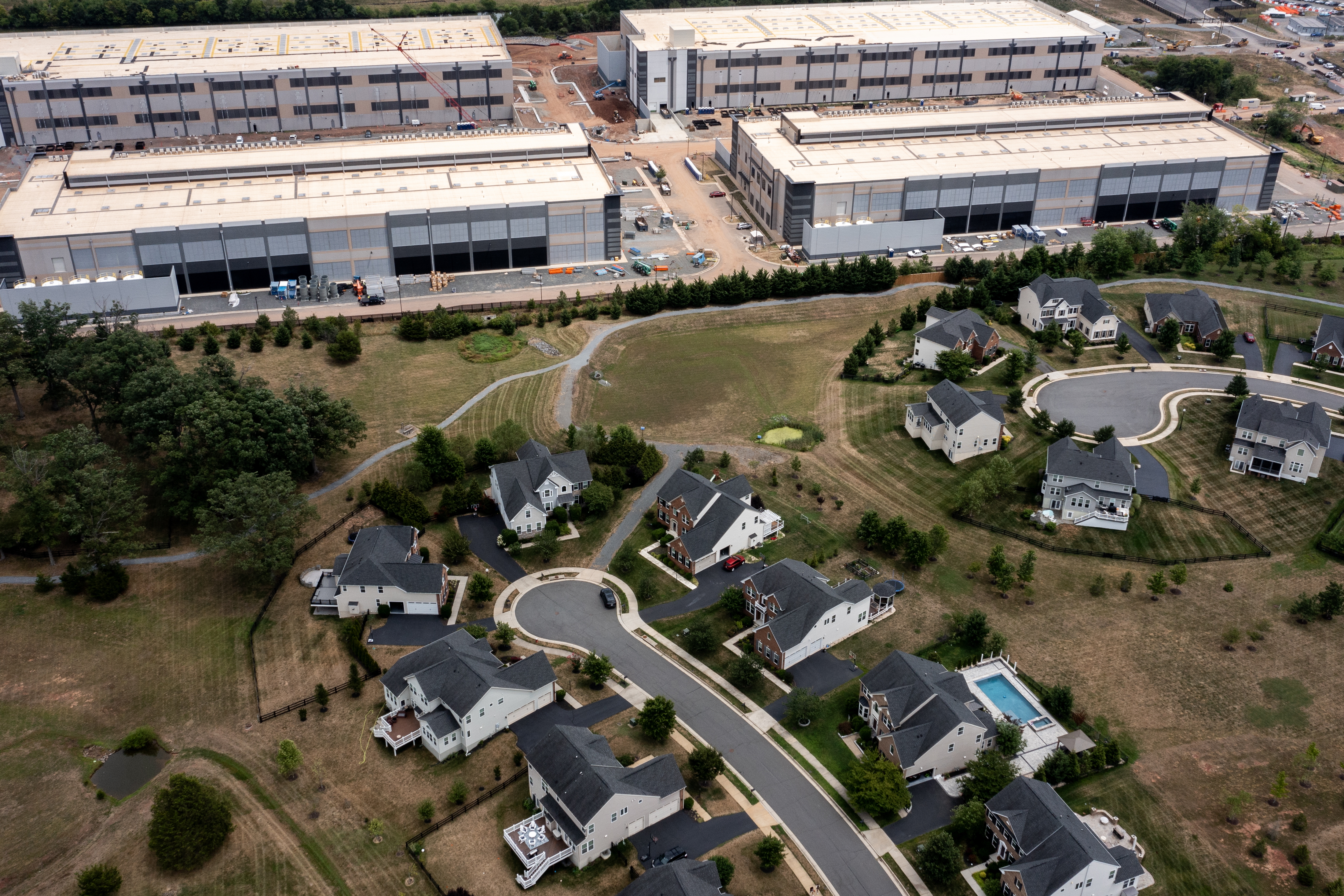
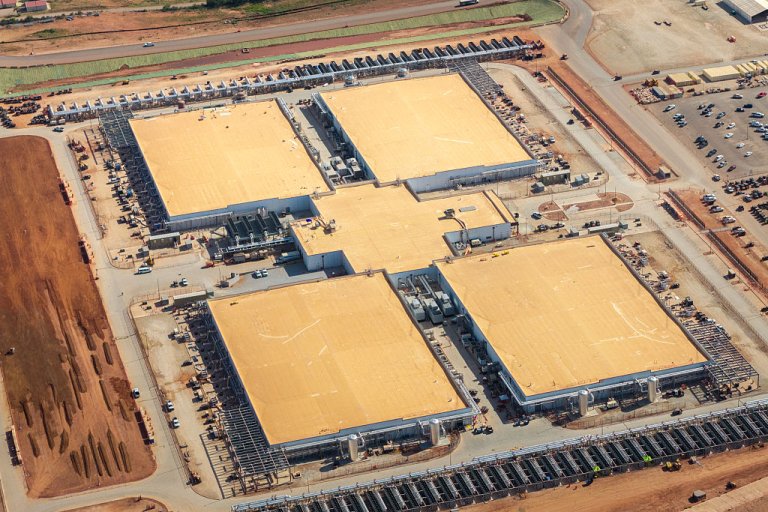
The scale of the land involved illustrates the potential physical footprint of the AI infrastructure boom. Large campuses may contain multiple server buildings, power systems, cooling facilities and other operational infrastructure.
Nevertheless, the applications do not mean that all the proposed developments will receive approval. Projects may undergo additional reviews, encounter regulatory obstacles or change significantly before construction begins.
The distinction between proposed and completed developments is particularly important when assessing their potential environmental consequences.
If approved, some projects could transform previously undeveloped areas into major industrial facilities. Their broader footprint may also extend beyond individual sites because of the infrastructure needed to connect them to electricity grids, water supplies and transportation networks.
Environmental Concerns Surround Public Land Development
The proposed projects have raised concerns among conservationists about the potential effects of large-scale construction on public lands.
Federal property across the western United States supports wildlife habitats, recreational activities and ecologically important landscapes. Depending on their locations, data center developments could disturb habitats, fragment wildlife corridors and alter surrounding environments.
Construction can also affect soil conditions, vegetation and local ecosystems. Additional roads and utility infrastructure may increase the overall impact of a project beyond the boundaries of its main buildings.
Environmental assessments will therefore be important in determining whether individual proposals can proceed without causing unacceptable damage.
Conservation advocates are also likely to scrutinize how federal agencies balance commercial development against their responsibilities to protect natural resources.
Electricity and Water Demand Raise Questions
One of the most significant challenges associated with data center expansion is electricity consumption. Facilities supporting advanced AI workloads can require substantial amounts of power to operate processors, networking equipment and cooling systems.
A concentration of new campuses could increase demand on regional electricity grids, potentially requiring additional generation capacity and transmission infrastructure.
The environmental consequences will depend partly on how that electricity is produced. Greater reliance on fossil fuels could increase emissions, while renewable energy investments may help reduce the carbon footprint of new facilities.
Water consumption presents another challenge, particularly in Western states where drought and water scarcity already affect communities and ecosystems.
Some data centers use water-based cooling systems to manage the heat generated by their equipment. Although cooling requirements vary by facility design and climate, large developments could place additional pressure on local water resources.
Developers may reduce these effects through efficient cooling technologies, recycled water and alternative system designs. However, the suitability of these approaches depends on local conditions and the specific requirements of each project.
Economic Opportunities Versus Conservation
Supporters of data center development argue that these projects can bring investment, create employment opportunities and strengthen the country’s technological infrastructure.
Large campuses may generate construction jobs and support demand for electricians, engineers, technicians and other specialized workers. They can also contribute to regional economic activity through infrastructure investment and related services.
Furthermore, expanding computing capacity may help US companies develop AI products, improve cloud services and compete in the global technology market.
However, critics may question whether the economic benefits justify using public lands for energy-intensive commercial facilities.
The long-term effects will depend on the number of projects approved, their employment requirements, their contributions to local economies and the environmental costs associated with their construction and operation.
Federal agencies must consider these competing interests when evaluating applications for public property.
Federal Agencies Face Difficult Decisions
The proposals place federal land management decisions at the center of a growing debate over AI infrastructure.
Authorities must assess whether proposed developments comply with applicable land-use requirements and determine how they might affect wildlife, water resources and surrounding communities.
Depending on the projects, reviews may involve environmental assessments, consultations with relevant stakeholders and coordination with utility providers.
The process could also require agencies to consider whether existing infrastructure can support the proposed developments without placing excessive pressure on regional resources.
As demand for AI computing continues to grow, decisions made today could influence how future data center projects are planned across the United States.
Conclusion
The proposal of at least 17 data center campuses on US public lands highlights the increasing demand for physical infrastructure behind the artificial intelligence boom.
With at least 35 related applications covering more than 24,000 acres of federal land pending or active across six Western states, the scale of the proposals raises important questions about land use, environmental protection and resource management.
Although the projects could support economic growth and strengthen US computing capabilities, their potential effects on electricity supplies, water resources and wildlife habitats will require careful consideration.
Ultimately, federal agencies will need to balance the country’s growing technological ambitions with their responsibility to protect public lands. The outcome of these applications could help establish how the United States accommodates AI infrastructure while safeguarding its natural resources for future generations.