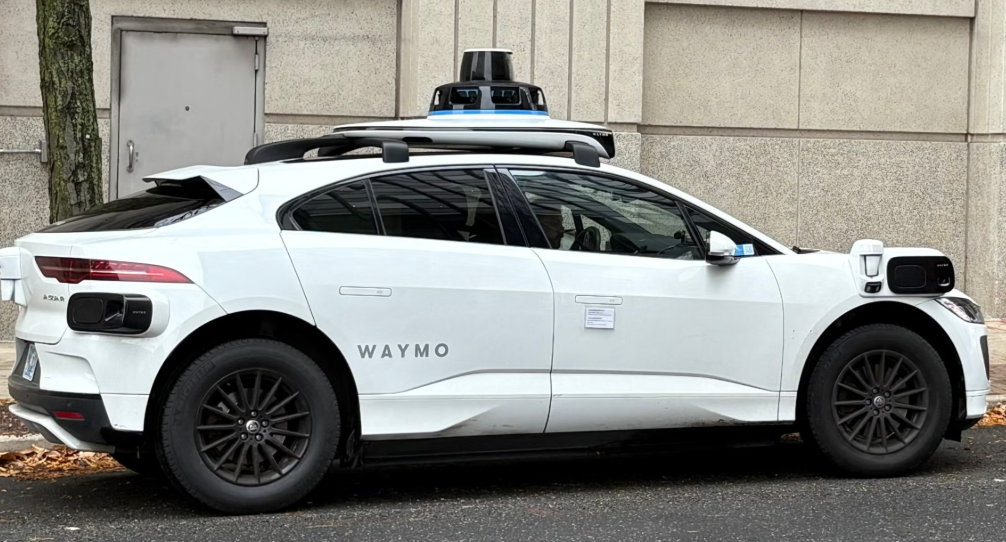
The long-predicted conflict between human labor and autonomous algorithms has officially spilled onto the streets of metro Atlanta. For years, rideshare gig workers functioned as the indispensable logistical backbone of urban mobility, absorbing vehicle maintenance costs and high fuel prices to keep corporate networks operational. However, as autonomous vehicle (AV) conglomerates expand their commercial fleets, human drivers are finding themselves increasingly sidelined by the technology they once assumed was a distant sci-fi projection. In a unified show of resistance covered by 11Alive, hundreds of gig workers mobilized in the Historic Old Fourth Ward, declaring that an aggressive, unregulated Atlanta rideshare driver Waymo protest has become necessary to preserve their financial survival and prevent total displacement by driverless fleets.
The flashpoint for the demonstration centers on the rapid commercial integration of Alphabet Inc.’s autonomous vehicle arm, Waymo, which operates a massive fleet of driverless vehicles natively through the Uber application interface. While corporate executives initially pitched the rollout as a safe, highly controlled deployment designed to handle short-distance routes, human operators report that the reality on the ground paints a much darker picture. Drivers claim the sudden influx of robotaxis has directly targeted their most profitable fares, leaving them with reduced earnings while they continue to face escalating out-of-pocket costs for vehicle maintenance, tires, and fuel.
1. The Short-Fare Skirmish: Where Profits Are Won and Lost
To understand why this technological shift has triggered such intense labor anger, one must analyze a massive structural change that has occurred within rideshare pricing models over the past several fiscal cycles. Historically, long-distance highway trips were highly valued by drivers. However, modern upfront pricing metrics have made those routes less attractive due to vehicle wear and deadhead miles on the return leg. Today, short-distance, high-frequency inner-city trips serve as the primary source of steady income for full-time gig workers.
By deploying Waymo vehicles directly into high-density urban areas to handle these exact short-haul routes, the platform has cut deep into human earnings. Drivers attending the demonstration reported a substantial 10% to 30% drop in their daily baseline revenue. This loss is forcing many full-time operators to pull back, restricting their driving strictly to weekend peak windows to avoid ruining their vehicles.
2. Organizing for Survival: Putting People Over Profit
The demonstration highlights a significant escalation in organized labor efforts across the gig economy, as worker unions shift focus from traditional wage disputes to direct technological opposition.
Structural Divergence: Human Labor vs. Autonomous Fleets
| Operational Metric | Independent Gig Worker Profile | Corporate Autonomous Fleet (Waymo) |
| Asset Overhead Burden | Borne entirely by driver (Fuel, tires, depreciation) | Absorbed by multi-billion dollar parent firm |
| Regulatory Market Protection | None; exposed to unlimited onboarding caps | Subject to intense federal and municipal scrutiny |
| Baseline Earnings Impact | Slashed by up to 30% following regional AV rollouts | Absorbing premium market share across urban zones |
| Labor Advocacy Target | Mandated minimum payments and tier limits | Unrestricted geographical fleet deployment |
Organizers from the Atlanta Rideshare Drivers Union are warning local lawmakers that if the city does not step in quickly to regulate the market, human drivers could be completely phased out of metropolitan transit within a few short years. “We are here today because we want to put people over profit,” stated union organizer Liza Ramsey during the rally. The union is formally urging the Atlanta City Council to enact strict fleet limits, mandate transparent algorithm routing, and protect the local economy by ensuring that tech profits continue to circulate back to human workers in the community.
3. The Corporate Stance and the Consumer Divide
As the Atlanta rideshare driver Waymo protest draws national attention to the gig economy’s labor crisis, the corporate response from tech platforms remains highly defensive. While companies like Uber acknowledge that autonomous technology will shift workforce dynamics over the long term, they argue they are working on transitional pathways for those affected. However, the local consumer base is increasingly divided.
While some passengers express deep sympathy for displaced workers, a growing group of urban commuters openly prefers autonomous rides. These users cite consistency, safety, and the elimination of tipping pressure as primary reasons to back driverless fleets, creating an uphill battle for traditional operators trying to retain their customer base.
The Machine Age Horizon of Urban Transit
The high-stakes labor standoff in Georgia serves as an important warning for the wider future of human employment in an automated society. The assumption that the gig economy would always serve as a dependable, human-driven safety net for workers displaced from traditional industries is being dismantled by the rapid rise of autonomous fleets.
As city leaders evaluate the union’s demands for fleet restrictions, the situation in Atlanta exposes a fundamental economic conflict. True technological progress cannot be celebrated as a societal victory if its deployment requires sacrificing the livelihoods of thousands of local workers who built the transit network in the first place.