Bajaj Auto has announced the layoff of around 500 employees, mostly from salaried roles and middle management, marking a decisive moment in the Bajaj Mobility Group’s ongoing restructuring. The development, disclosed in an exchange filing on Wednesday, underscores the company’s push to reset its cost base and simplify its organisational structure amid falling revenues and uneven demand recovery.
As of December 31, 2025, the company’s total employee strength stood at 3,794, sharply lower than 5,310 employees a year earlier. The reduction reflects a deliberate strategy rather than an abrupt cut, aimed at reshaping the organisation for the long term.
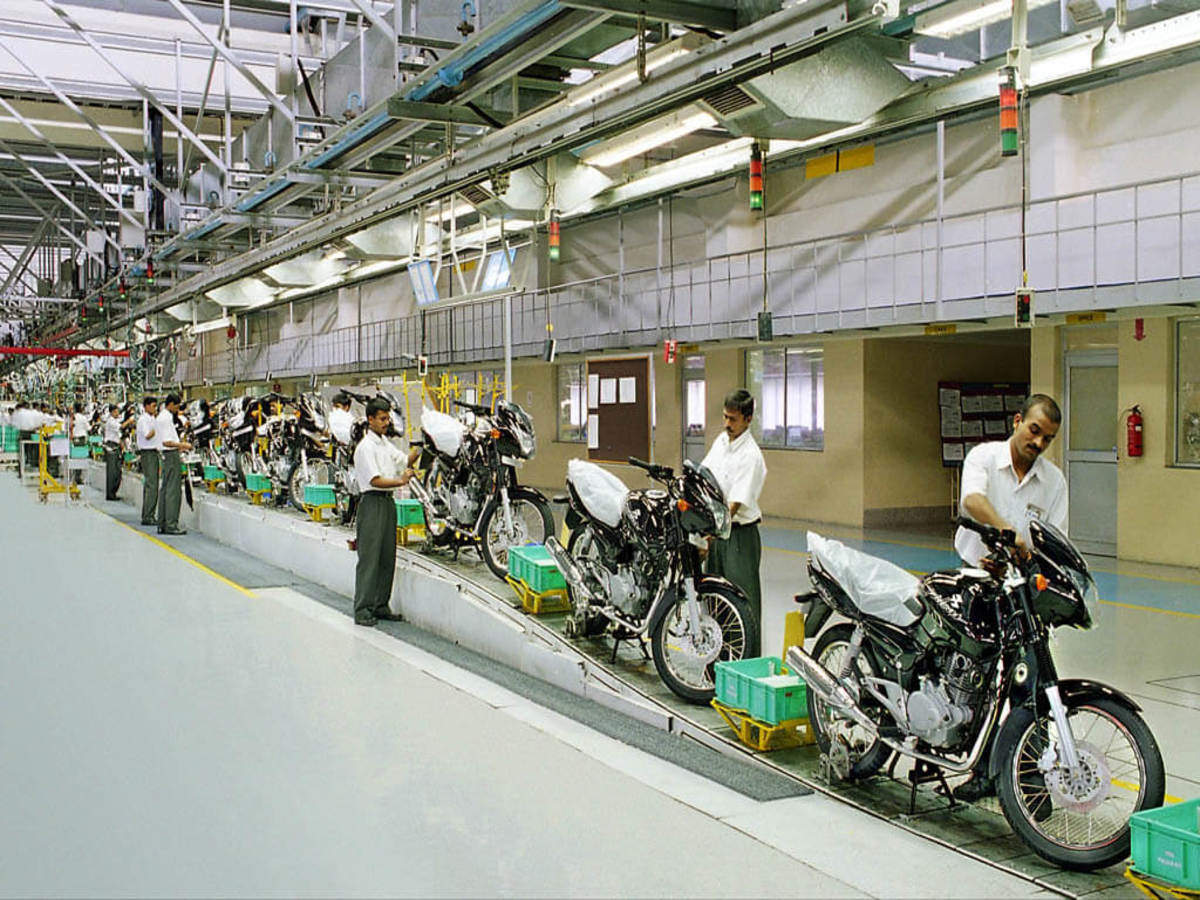
Credits: ET Auto
Cutting Costs, Cutting Complexity
At the heart of the workforce reduction is an efficiency programme designed to reduce fixed costs and remove layers of complexity that have built up over time. Bajaj Mobility said it is streamlining structures across functions, including IT and product development, while flattening its management hierarchy.
“This reduction in positions is a difficult but necessary decision to lower our costs, slim down structures, and thereby place the company on a stable footing for the long term,” CEO Gottfried Neumeister said. A key element of the restructuring is the removal of one management layer, a move intended to speed up decision-making and improve accountability across departments.
The emphasis on middle management suggests a shift toward a leaner, more execution-focused organisation.
Refocusing on Motorcycles and Core Brands
The restructuring goes hand in hand with a sharper strategic focus. Bajaj Mobility is doubling down on its motorcycle business, aligning resources around three core brands—KTM, GASGAS, and Husqvarna. All current measures, the company said, are being taken with the motorcycle segment firmly in focus.
This renewed emphasis also involves reassessing the product and project portfolio, optimising international sites, and reworking the leadership network. The approach reflects a clear prioritisation of scale, brand strength, and operational efficiency over diversification.
Revenue Slide Adds Urgency
The need for restructuring has been amplified by a steep drop in revenues. Bajaj Mobility expects consolidated sales for fiscal year 2025 to be just over €1 billion, a decline of around 46% from the previous year. The revenue contraction has put pressure on margins and reinforced the need to bring costs in line with current market realities.
The company is expected to release its preliminary financial figures for FY2025 on January 29, 2026. Investors and analysts are likely to scrutinise how much of the cost reset translates into improved financial stability.
Sales Recovery in H2, But Year Still Weak
Operationally, motorcycle sales painted a mixed picture in FY2025. While total sales for the year fell 28% to 209,704 units, the second half showed a notable rebound. Bajaj Mobility sold 80,464 motorcycles in H2, a 60% jump compared to 50,334 units in the first half of the year.
Sales through strategic partner Bajaj Auto also improved, with 43,956 motorcycles sold in the second half, up from 34,950 units in H1. Despite this recovery, the full-year numbers highlight the challenges the group continues to face in translating momentum into sustained growth.
Inventory Cleanup and Bicycle Exit
Alongside workforce and cost measures, Bajaj Mobility has aggressively reduced inventory. Motorcycle inventory fell from 248,580 units as of December 31, 2024, to 147,427 units by the end of 2025, reflecting tighter production planning and improved demand alignment.
The company has also exited the bicycle business altogether. As part of the closure of the division, 64,110 e-bicycles and bicycles were sold during the year, down from 106,311 units in the previous year. The exit underscores the group’s intent to focus capital and management attention on its core motorcycle operations.

Credits: Autocar Professional
Building a Leaner Future
Bajaj Auto’s latest moves highlight the tough recalibration underway at Bajaj Mobility. By trimming headcount, flattening structures, exiting non-core segments, and refocusing on its strongest brands, the company is betting that a leaner organisation will be better equipped to navigate volatility and return to sustainable growth.
While the human cost of the restructuring is significant, the strategy signals a clear attempt to stabilise the business and rebuild from a position of strength.