TSMC Faces Bonus Backlash as Employees Question Profit Sharing During Chip Boom
Discontent over employee bonuses is no longer limited to South Korea’s chip sector. After months of tension at Samsung Electronics over compensation, similar frustration now appears to be growing inside Taiwan Semiconductor Manufacturing Co. (TSMC).
The issue centers on employee bonuses, profit sharing, and how chipmakers should divide record earnings while funding large global expansion plans.
Reports from Taiwanese media outlets Liberty Times and China Times claim that TSMC employees fear their 2025 annual bonuses may fall below earlier expectations. Some workers believe payouts due in July could shrink by up to 15 percent as the company spends heavily on overseas projects.
The reports have triggered criticism inside employee communities, even though TSMC continues to post strong financial results.
TSMC Employees Question Bonus Transparency Amid Record Profits and Global Expansion
TSMC uses a bonus structure tied to company performance. Its board of directors oversees decisions on investments, dividends, and employee compensation. A committee made up of outside directors helps decide how much operating profit goes toward bonuses.
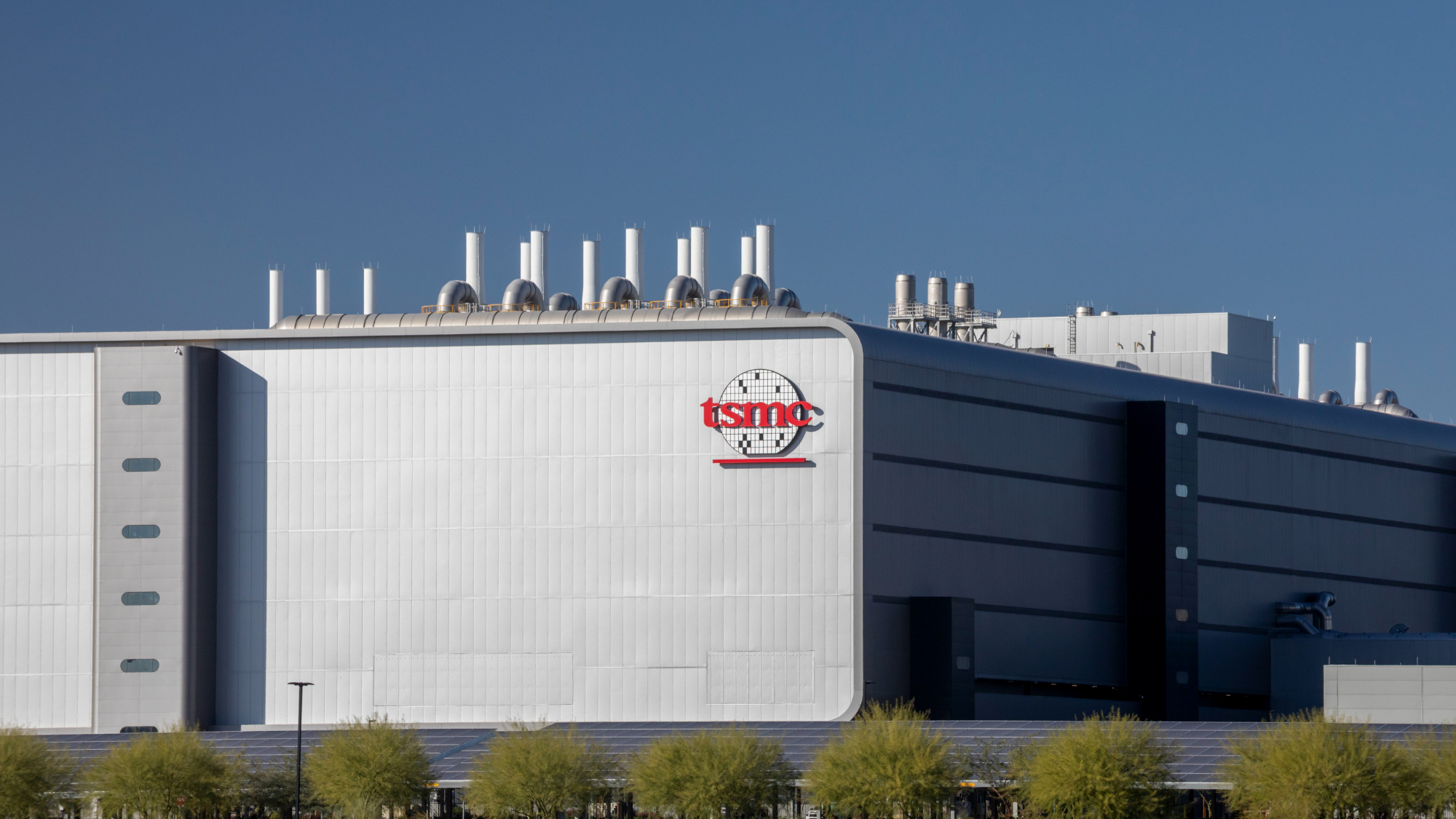
In February, TSMC approved a bonus pool worth 206.15 billion Taiwan dollars, equal to about 10.6 percent of operating profit for 2025. Based on the company’s workforce of roughly 78,000 employees, local estimates suggested average bonuses could reach about 2.64 million Taiwan dollars per worker.
The company usually pays annual bonuses in five stages through July of the next year. Employees already received quarterly cash bonuses linked to about 5 percent of operating profit from last year. The remaining amount is expected this July.
Still, employees say the process lacks transparency.
Unlike Samsung Electronics or SK hynix, TSMC does not reveal individual bonus figures. Final payouts can vary across teams and departments because the company factors in workforce size and internal performance reviews.
That system has fueled suspicion among employees.
Some workers believe TSMC could tighten department evaluations and lower payouts to help fund overseas growth plans. The company has not publicly addressed the speculation.
The timing has added to employee frustration.
TSMC reported strong first-quarter earnings on April 16. The company posted revenue of 1.13 trillion Taiwan dollars and net profit of 572.48 billion Taiwan dollars. Revenue rose 35.1 percent from a year earlier, while net profit climbed 58.3 percent.
Against that backdrop, employees question why compensation might shrink while profits continue to surge.
Criticism has spread through anonymous online communities used by TSMC staff.
Examining the Shift in Semiconductor Labor Relations
One employee wrote that the company changing bonus expectations reflects long-standing management practices and has damaged trust inside the company.
Another worker argued that employees face intense workloads and pressure, yet management appears willing to reduce bonuses while protecting shareholder returns.
The debate reflects a wider issue across the semiconductor industry.
Chipmakers are in the middle of a powerful AI-driven growth cycle. Demand for advanced semiconductors has pushed earnings higher for many companies. At the same time, firms are pouring billions into new factories, advanced packaging lines, and global supply chain expansion.
That creates tension between investment goals and employee compensation.
Samsung Electronics faced a similar challenge in South Korea. Workers expressed dissatisfaction with compensation systems tied to profits, particularly as rival SK hynix gained attention for stronger bonus payouts.
Samsung’s union came close to launching a full strike before management and labor reached a last-minute agreement.
TSMC Employees Eye Samsung Strike as Labor Tensions Rise
Now some TSMC employees appear to be watching that experience closely.
Posts in Facebook communities linked to TSMC workers have referenced Samsung’s labor negotiations and strike discussions. Some comments point to Samsung’s wage vote timeline, while others openly raise the possibility of labor action.
Taiwan’s semiconductor sector has long operated under a different labor culture than South Korea’s. Large-scale union pressure has been less common at companies such as TSMC.
Even so, the online reaction shows growing unease among employees who feel disconnected from decisions about compensation.
The dispute also highlights a larger question facing the global chip industry: how companies should reward workers during a historic profit cycle while financing costly expansion plans.
For companies like TSMC, Samsung Electronics, and SK hynix, the answer may shape not only employee morale but also their ability to compete for skilled talent in a fast-changing semiconductor market.