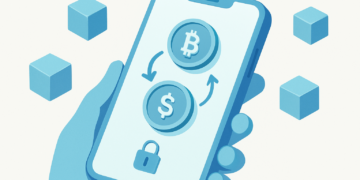
Apple has officially approved its first iOS game that supports native Bitcoin microtransactions. This appears to be a landmark moment for mobile gaming. The game is called SaruTobi, which now has ZBD’s Lightning payment flows integrated into gameplay. This is a great achievement, as Apple has typically had a closed payment ecosystem.
A Game Reborn: From Early Bitcoin Pioneer to Lightning-Enabled Comeback
Originally released in 2013, SaruTobi—a simple, addictive monkey-flinging game—was pulled from the App Store for prematurely integrating Bitcoin-based rewards. More than a decade later, it’s back, but this time equipped with seamless, in-app Bitcoin transactions, powered by ZBD’s Lightning Network infrastructure.
André Neves, ZBD’s co founder and CTO, described the moment as “a historic shift,” noting that while innovative payment tools have long existed, recent regulatory shifts have enabled their use.
Why Now? Legal Pressure Opens Apple’s Gates
This policy change did not happen overnight. It is the result of emerging legislative pressures such as the EU’s Digital Markets Act, and larger legal victories such as Epic Games v. Apple, which challenged Apple’s monopoly of in-app purchases. Together, they have ushered in a new era where alternative payment methods receive more leeway.
Microtransactions Reimagined—with Satoshis
Inside SaruTobi, players can now make tiny Bitcoin payments—just a few cents—to retry levels or gain boosts, with transactions settled instantly and without disrupting play. Unlike typical App Store purchases, Bitcoin microtransactions offer the flexibility of pay-per-use at the satoshi level, not bundled price tiers.
They can also earn sats through gameplay, nourishing a microeconomy where rewards can be re-spent or even withdrawn. This model encourages more engaged gameplay and motivates users to play smarter—and longer.
ZBD & Lightning: The Tech Behind the Scenes
ZBD’s Lightning Network integration is critical to enabling this change, as Lightning allows for off-chain settlement of transactions which significantly lowers costs and delays for settlement. This infrastructure turns any transaction into a borderless, programmable, instant payment option from thousands of a cent— which is critical for seamless in-game microtransactions.
More importantly, everything happens in-game, with no redirection of users externally, or reliance on Apple’s payment rails. AppleInsider reported this as smart move made under the current App store guidelines, via Section 3.1.5 that allows crypto transfers using approved third parties.
Implications: What This Means for Developers & Players
- For developers: A powerful new toolkit to design customizable monetization models: micro payments, rewards-based engagement, and even cross app Bitcoin economies.
- For gamers: More user choice and control—spend only what you want, when you want—without sacrificing accessibility or convenience.
Neves emphasizes: “This isn’t just about payments. It’s about rewriting how games monetize, engage, and grow.”
What Comes Next? A Trend in Formation
The approval of SaruTobi may well be a trailblazing move. Analysts suggest it sets a precedent for other crypto-native games and apps exploring similar integration. As ZBD’s solution builds traction, the limitations of the app store process may soon clear a path for an avalanche of Lightning enabled experiences on iOS.
At the same time, Apple continues to remind the world that its views toward cryptocurrency is different then what may be perceived as the average consumer view. Apple still does not allow for the sale of crypto via its in-app systems and that each new app needs to follow a complex and in-depth compliance pathway.
Final Swing
SaruTobi’s re entry, powered by Bitcoin Lightning microtransactions, is more than a novelty—it’s a statement. It captures regulatory change, developer creativity, and increasing mainstream acceptance of crypto. As we step into the sitting powered era for mobile apps, developers and users are on the brink of more flexible, value-first digital experiences.
It seems Apple has opened a door, but it is now up to the ecosystem to walk through it.