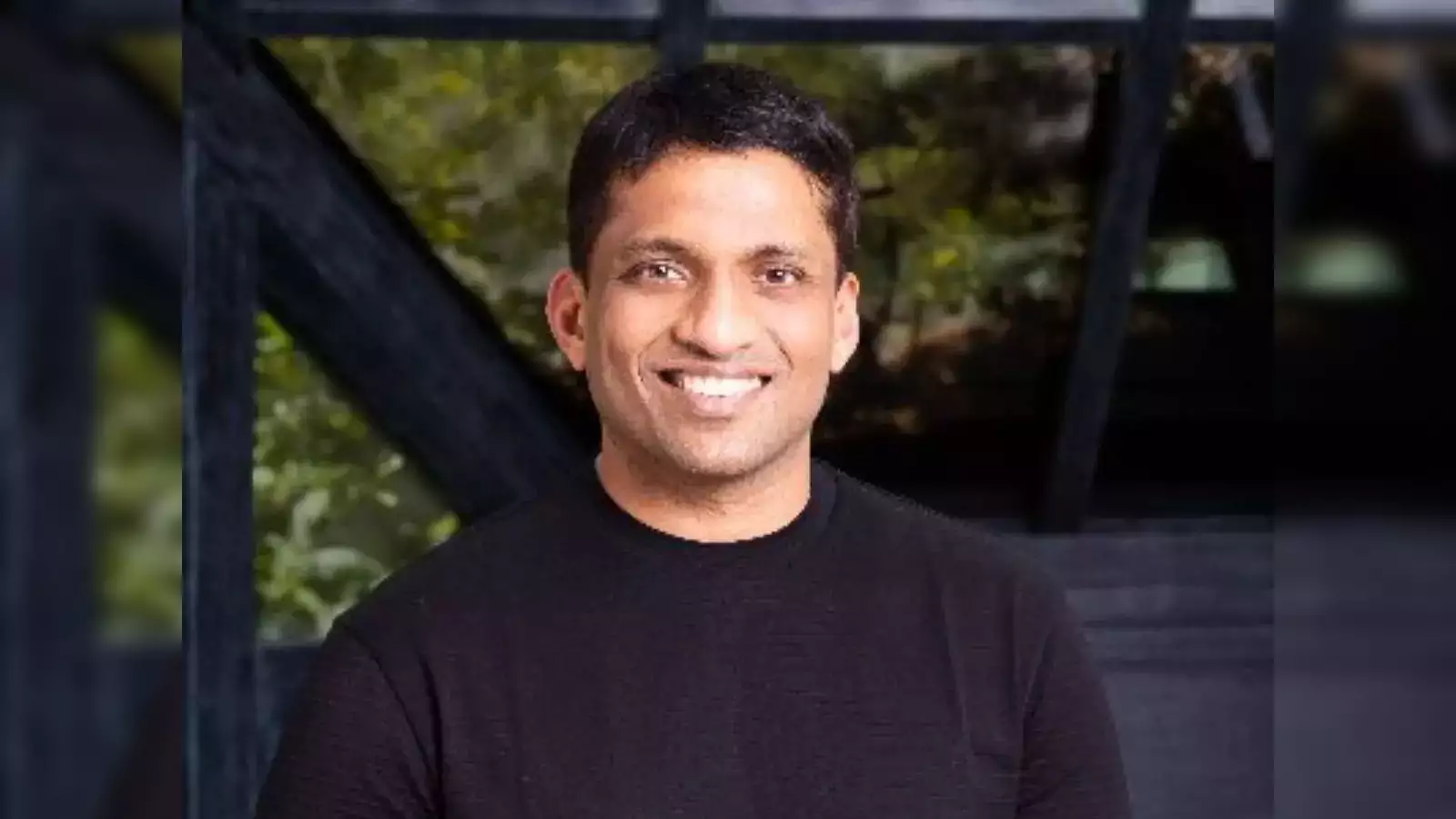
The unfolding insolvency saga at Byju’s parent company, Think & Learn Pvt Ltd (TLPL), has taken another dramatic turn. Suspended director and promoter Riju Ravindran has approached the National Company Law Tribunal (NCLT) to challenge a controversial funding arrangement spearheaded by the company’s largest creditor, Glas Trust Co. The dispute revolves around a Compulsory Convertible Debenture (CCD) agreement, which Riju alleges violates India’s foreign investment and external borrowing rules.
A Financing Deal Under Fire
According to Riju’s plea, the CCD arrangement between TLPL and a wholly-owned subsidiary of the US-based Glas Trust Co is “illegal, invalid, and unenforceable under Indian law.” He claims the structure, purportedly framed as a foreign direct investment (FDI) instrument under FEMA, is in substance an external commercial borrowing (ECB)—a category prohibited under current regulations for a company undergoing insolvency.
The CCDs were proposed to raise funds for TLPL to participate in a crucial rights issue of Aakash Educational Services Ltd (AESL), in which TLPL holds a 25.7% stake. Glas turned to this option after failing to secure a stay from both the NCLAT and the Supreme Court on the AESL rights issue.
But Riju argues that the move is nothing more than Glas “attempting to raise money illegally” using TLPL’s insolvency status as cover.
The Rights Issue Driving the Dispute
The trigger behind this financial maneuver is AESL’s rights issue, greenlit by the Supreme Court on November 3, 2025. Based on its equity holding, TLPL received an offer to subscribe to rights worth ₹25.75 crore on October 29.
However, TLPL—already strapped for cash and under the Corporate Insolvency Resolution Process (CIRP)—did not have the liquidity to participate. Glas Trust, which holds over 99% of the voting rights in TLPL’s Committee of Creditors (CoC), proposed that it would subscribe to the CCDs through its subsidiary, enabling TLPL to fund its share of the rights issue.
At the CoC meeting on November 5, Glas presented a draft debenture subscription agreement and sought approval to issue CCDs worth ₹100 crore, in one or more tranches. Two other creditors—Aditya Birla Capital and InCred—abstained due to lack of internal approval, but Glas’s overwhelming voting power ensured the resolution passed. The Resolution Professional (RP) was directed to proceed with the arrangement.
Riju’s Objections: Legal, Financial, and Procedural
Riju’s representatives raised serious objections during the meeting. They questioned whether NCLT approval was needed for such an “unusual and complex financial instrument,” especially since TLPL is under CIRP and its valuation is uncertain.
More significantly, Riju assailed the CCD structure itself. According to him:
-
The instrument fails the “fully, compulsorily and mandatorily convertible” requirement under FEMA’s Non-Debt Instruments (NDI) Rules.
-
The CCDs are described as “compulsorily convertible at the option of the debenture holder,” a contradiction that effectively makes them debt instruments under the ECB framework.
-
Treating them as both FDI and interim finance under the Insolvency and Bankruptcy Code (IBC) is “legally impossible.”
Calling the arrangement a deliberate attempt to bypass ECB regulations, Riju contends the CCDs are structured to mask foreign debt as equity.
Petition Before NCLT: What Riju Wants
In his application to the Bengaluru bench of the NCLT, Riju has asked the tribunal to:
-
Set aside Resolutions 1 to 7 passed at the November 5 CoC meeting.
-
Declare the CCD subscription agreement void, illegal, and unenforceable.
He maintains that the RP and Glas failed to address crucial concerns regarding legality, enforceability, and commercial prudence.

What’s Next? Tribunal Hearing This Week
With the matter now formally before NCLT, the tribunal is expected to take up the case this week, setting the stage for yet another high-stakes showdown in Byju’s ongoing insolvency drama.
As the battle between promoters and creditors intensifies, the future of India’s most high-profile edtech insolvency remains as uncertain—and contentious—as ever.