The ongoing legal battle surrounding edtech giant BYJU’S has taken another dramatic turn, with the company’s founders accusing former interim resolution professional (IRP) Pankaj Srivastava of delaying the submission of the Board of Control for Cricket in India’s (BCCI) settlement application. The dispute, which has gripped the Indian corporate landscape, highlights the complexities of insolvency proceedings and the challenges faced by the once high-flying unicorn.
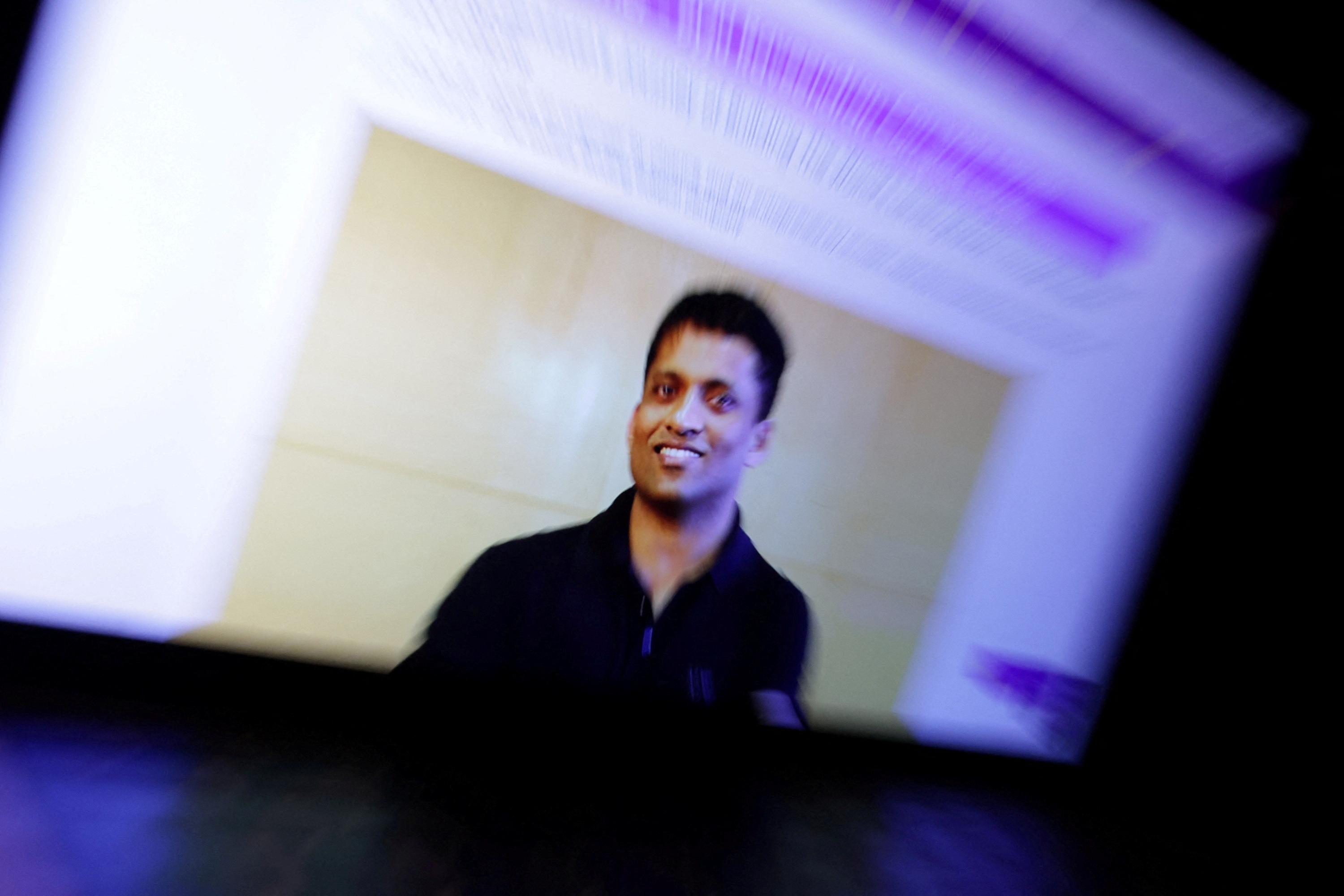
Credits: Business Standard
In this article, we will delve into the ongoing insolvency saga of BYJU’S, examining the founders’ allegations against the former interim resolution professional (IRP), the role of Glas Trust and other lenders, the complexities of the legal battle, and what the future may hold for the once high-flying edtech giant.
Allegations Against the Former IRP
During a hearing at the National Company Law Appellate Tribunal’s (NCLAT) Chennai bench, BYJU’S cofounders alleged that Srivastava’s actions prolonged the insolvency process. According to their counsel, had the BCCI’s settlement application been submitted within the mandated three days, the company could have emerged from insolvency by now. The delay, they argued, was both unnecessary and damaging to BYJU’S’ prospects of financial recovery.
The claims were made as part of an appeal by BYJU’S director Riju Raveendran against a ruling from the National Company Law Tribunal’s (NCLT) Bengaluru bench, which had blocked the withdrawal of the insolvency plea.
A Tumultuous Timeline
The dispute traces back to 2023 when the BCCI filed a petition against BYJU’S for non-payment of dues amounting to ₹158 crore, related to the sponsorship of the Indian cricket team. By July 2024, the Bengaluru NCLT admitted the insolvency plea, adding another layer of uncertainty to BYJU’S’ future.
However, a potential lifeline emerged in August 2024 when Riju Raveendran reached a settlement with the BCCI, paying the outstanding amount. This development could have paved the way for BYJU’S to exit insolvency proceedings. Yet, the company’s path to resolution faced roadblocks, with investors and lenders continuing to push for their dues.
Glas Trust and the Role of Lenders
BYJU’S lenders, led by Glas Trust, a consortium representing its US-based creditors, are reportedly owed over $1 billion. The founders accused Glas Trust of unduly pressuring Srivastava to reconstitute the committee of creditors (CoC), further complicating the withdrawal of the insolvency application.
Glas Trust’s insistence on forming a new CoC delayed the submission of the BCCI settlement, preventing BYJU’S from swiftly concluding the insolvency process. The Tribunal’s previous decision to remove Srivastava and initiate disciplinary proceedings against him further underscores the gravity of the allegations.
A Once-Valued Edtech Giant in Turmoil
BYJU’S, once valued at $22 billion and heralded as a leader in the edtech sector, now finds itself at the center of a protracted legal battle. The company’s rapid rise and subsequent downfall serve as a cautionary tale of aggressive expansion and financial mismanagement.
While the founders seek to portray themselves as victims of external interference, investors and lenders remain skeptical. The mounting debt, coupled with allegations of mismanagement, continues to erode stakeholder confidence.
What’s Next for BYJU’S?
The future of BYJU’S hangs in the balance. The NCLAT’s decision on the appeal will play a crucial role in determining the company’s trajectory. If the founders succeed in overturning the NCLT’s order, BYJU’S could potentially regain control and negotiate a comprehensive restructuring plan.
However, if the appeal is rejected, the insolvency proceedings will proceed, likely leading to further asset sales and creditor negotiations.
Credits: Inc 42
Conclusion
The BYJU’S insolvency saga exemplifies the challenges faced by large-scale startups navigating financial distress. From legal entanglements to creditor disputes, the path to recovery is fraught with obstacles.
As the NCLAT deliberates on the case, stakeholders across the Indian corporate ecosystem will be watching closely. The outcome will not only determine BYJU’S’ fate but also set a precedent for how similar cases are handled in the future.