War rarely pauses neatly. When it does, the pause often reveals more than the fighting itself. The two-week ceasefire announced between United States and Iran is one such moment. It is not a peace deal, not even close. It is a temporary halt tied to specific conditions, announced after weeks of strikes, threats, and rising fears that the conflict could widen further.
The agreement came after more than a month of coordinated military action involving the United States and Israel against targets in Iran. It also followed a sharp escalation in rhetoric. Donald Trump warned of overwhelming force if shipping routes were not reopened, language that drew criticism from international leaders. Within hours, a ceasefire framework was on the table.
What has emerged since then is less a clear agreement and more a set of overlapping positions, each side describing the same pause in slightly different terms.
What the ceasefire includes – and what it does not
At its most basic level, the ceasefire is tied to one immediate issue: the reopening of the Strait of Hormuz. This narrow waterway carries a large share of the world’s oil shipments. Its closure, or even partial disruption, has effects that reach far outside the region.
Under the terms described publicly, Iran has agreed to allow vessels to pass through the strait for a period of two weeks. The movement of ships will be coordinated by Iranian forces, an arrangement that reflects both control and caution. For the United States, the reopening of this route appears to have been a central condition for suspending strikes.
Donald Trump said the decision to halt attacks was based on the view that military goals had already been met. He also indicated that talks on tariffs and sanctions could follow, linking the ceasefire to a wider set of economic issues.
From the American side, the pause is framed as conditional and reversible. Pete Hegseth stated that forces would remain in position, ready to act again if required. The message is that the ceasefire does not reduce military readiness. It simply pauses active strikes.
Tehran’s position is broader and more detailed. Officials there have outlined a list of demands that extend well past the Strait of Hormuz. These include lifting sanctions, releasing frozen assets, and compensation for damage caused during the conflict. The Iranian statement also includes a commitment not to pursue nuclear weapons, a point that has long been central to tensions between the two countries.
The gap between these positions is clear. One side describes a limited pause tied to a specific condition. The other links the ceasefire to a wider political settlement. That difference does not stop the ceasefire from taking effect, but it does shape how it is understood.
There is also the question of geography. While the ceasefire is described as applying to the conflict between United States and Iran, it does not clearly extend to all areas affected by the wider conflict. Israel has supported the pause in principle but has stated that it does not apply to its operations in Lebanon.
That distinction matters because fighting in Lebanon, particularly involving Hezbollah, is closely tied to the broader regional situation. Iranian officials have warned that continued strikes there could trigger a response, even during the ceasefire period.
A pause under pressure, not a settlement
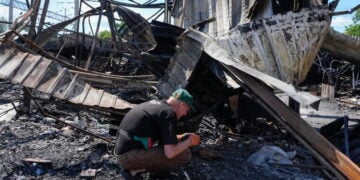
Even as the ceasefire was announced, signs of strain were visible. Reports of missile interceptions in Israel and drone activity in neighbouring countries suggested that hostilities had not stopped completely. Kuwait reported attacks on energy and water facilities, indicating that the conflict’s effects were still spreading.
These incidents highlight a central issue. A ceasefire between two states does not automatically halt all related activity, especially when multiple actors are involved. Groups aligned with either side may continue operations, either independently or as part of a broader strategy.
Whether those talks produce results is uncertain. Previous rounds of negotiation between United States and Iran have often coincided with renewed tension rather than lasting agreement. The current ceasefire follows a similar pattern, arriving after a period of escalation rather than replacing it.
International reaction has been broadly supportive of the pause. European countries and the European Union have called for the ceasefire to hold and for efforts toward a longer-term settlement. Their statements reflect concern not only about the conflict itself but also about its wider effects, particularly on energy markets and regional stability.
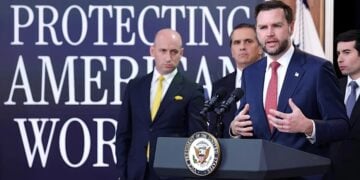
The involvement of senior American officials in upcoming talks, including the vice president and other envoys, suggests that the United States sees this as an opportunity to engage at a higher level. At the same time, statements from Israeli leaders indicate that military options remain on the table.
What emerges from all this is a ceasefire that functions more as a pause than a turning point. It creates space for negotiation, but it does not resolve the issues that led to the conflict. Each side retains its position, its demands, and its capacity to resume action.