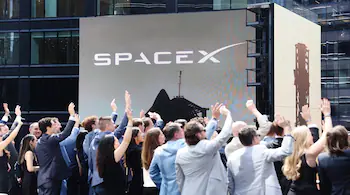
SpaceX’s historic IPO on June 12, 2026 – the largest in history, making Elon Musk the world’s first trillionaire on paper — was preceded by a disclosure that has caused considerable national security concerns in Washington. An investigative piece by ProPublica, published days after the listing, revealed that a businessman with ties to Chinese military contractors was among the offshore investors who purchased holdings in SpaceX when it was still a private firm. An entity associated with the Qatari royal family also invested.
The new details come from a private investor list obtained by ProPublica that sheds light on a particularly delicate issue for Elon Musk’s rocket company: which people in countries like China bought into the company, and how. SpaceX built its business off sensitive US government work like making spy satellites for the Pentagon. While there is no ban on Chinese investment in US military contractors, such investment is heavily regulated.
“Before SpaceX’s IPO last week, investors in China secretly acquired stakes in the company. A businessman with ties to Chinese military contractors was among them. The new details come from a private investor list we obtained after going to court.”~ProPublica (@propublica)
At Least A Dozen Investors And A $15 Million Stake From A Military-Linked Firm:
The details accessed by ProPublica reveal at least a dozen investors with addresses in mainland China, Hong Kong or Russia who acquired stakes in SpaceX between 2018 and 2021 before its IPO. The investments were made through a US-based middleman firm called Tomales Bay Capital.
The new records detail at least a dozen investors with addresses in mainland China, Hong Kong or Russia who acquired stakes in SpaceX years ago through a middleman firm in the US called Tomales Bay Capital. The investments are relatively small, ranging from $800,000 to $40 million, and were made between 2018 and 2021. One investment came from an entity owned by David Su, the co-founder of the prominent Beijing venture capital firm MPCi. The Su entity invested $15 million in a SpaceX fund in 2020, according to the investor list. It was not Su’s only foray into the space industry; his company has been a high-profile backer of some of SpaceX’s Chinese competitors. Two satellite companies that Su’s firm invested in were sanctioned by the US.
Su’s investment is particularly sensitive from a regulatory standpoint because a Beijing venture capitalist with stakes in Chinese satellite companies that have since been placed on US sanctions lists has also invested $15 million in the company that manufactures spy satellites for the Pentagon. The questions presently being raised revolve around whether the investments were declared to appropriate US agencies at the time.
“Before SpaceX IPO, investors in China secretly acquired stakes — A businessman with ties to Chinese military contractors was among the overseas investors who acquired stakes in SpaceX. The information was revealed only after ProPublica went to court to obtain it.”~Defense One
SpaceX Barred China And Hong Kong Investors From The IPO But The Pre-IPO Stakes Remain:
In a sign of its sensitivity to the concerns, SpaceX barred investors from China and Hong Kong from buying shares in its initial public offering last week due to “regulatory and compliance risks,” Bloomberg reported. The IPO exclusion is a clear acknowledgement by SpaceX that Chinese investment in the company creates complications — but it does not address the pre-existing stakes held by Chinese nationals through Tomales Bay Capital during the private years.
Musk became the world’s first trillionaire following the company’s historic IPO last week. Musk has strong economic interests in China, where Tesla manufactures many of its vehicles. National security authorities and congressional oversight committees have long been concerned about Tesla’s dual exposure, which includes extensive business links to China while also running the US government’s most sensitive space and intelligence systems through SpaceX.
The revelations add a new dimension to that concern. Unlike future share purchases, which SpaceX can now screen and block, the pre-IPO stakes acquired between 2018 and 2021 are already held. The question of what disclosure obligations existed at the time, whether the investments were reviewed by the Committee on Foreign Investment in the United States, and what access rights if any those stakes conferred to non-public information about SpaceX’s classified government contracts are all questions that the ProPublica investigation leaves open and that US regulators may now be compelled to examine.
“Chinese investors secretly acquired stakes in SpaceX between 2018 and 2021 before its IPO. At least a dozen investors with mainland China, Hong Kong or Russia addresses invested via Tomales Bay Capital. SpaceX later barred China and Hong Kong investors from its IPO citing regulatory risks.”~The Wire (@TheWireScience)
ProPublica Went To Court And What The Documents Reveal About Regulatory Gaps:
The information was revealed only after ProPublica went to court to obtain it. The fact that the investor list was not publicly available and required legal action to obtain highlights a broader transparency gap in how private companies with significant US government contracts manage their foreign investor disclosures. SpaceX, which remains majority privately held despite its IPO, is not subject to the same quarterly disclosure requirements as publicly traded defence contractors like Lockheed Martin or Raytheon, creating a regulatory blind spot that the ProPublica investigation has now highlighted.
For SpaceX, the timing of the revelations days after what was celebrated as a historic market debut creates reputational and potentially regulatory complications that the company will need to address. Whether US agencies launch formal inquiries into the pre-IPO Chinese stakes, and whether those stakes are subject to any divestiture requirements, are questions that will likely determine how seriously this disclosure is treated in Washington in the weeks ahead.