

Some of us may still be able to recall when e-wallets were a completely novel concept. When PayPal was launched in 1998 (known as Confinity at the time), consumers were still somewhat wary about using these methods. They still relied heavily on traditional techniques such as credit cards, and bank transfers. Of course, we are now living in an age that has come to be defined by lightning-fast e-wallet transactions.
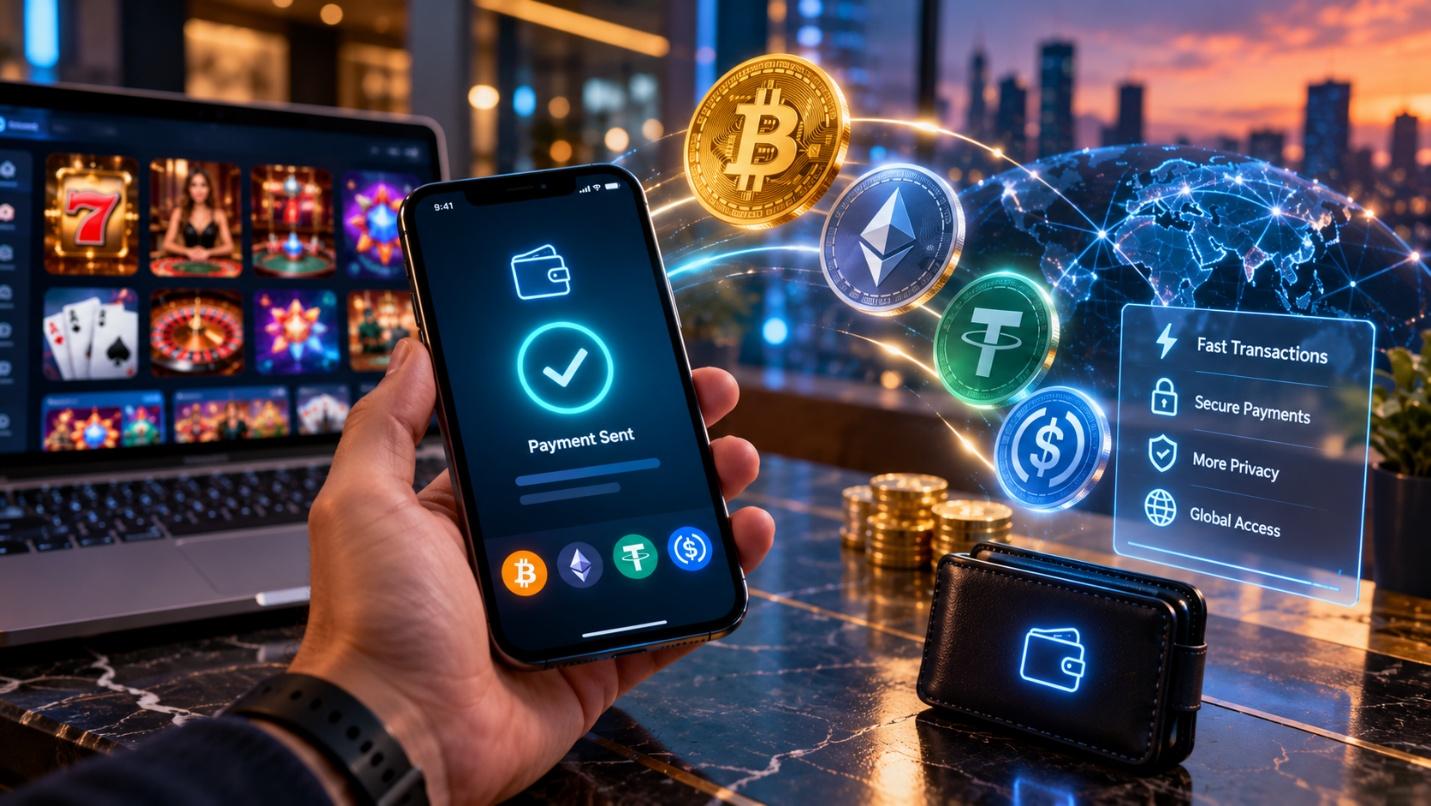
The next step forward involves the growing prevalence of cryptocurrency payments. Whether referring to major international e-commerce conglomerates, or emerging online gaming powerhouses such as Lucky Spins that now accept Bitcoin as a transfer possibility, it appears as if crypto-friendly platforms are here to stay. How will these systems impact the average user? Might it be a good idea to opt for cryptocurrencies over traditional fiat solutions? What benefits does the blockchain have to offer? If you happen to be new to these topics, the information found below should never be overlooked.
The Anonymous Nature of Cryptocurrencies
One of the most relevant arguments when discussing the benefits of crypto-friendly payment ecosystems involves anonymity. Unlike fiat transfers, personal information is not attached to these transactions. They are instead represented by encrypted information found within blockchain ledgers. This is highly appealing to consumers concerned about the rising threats attributed to identity theft.
Another interesting point here involves how payments are verified. A growing number of e-commerce portals (and currency exchanges) have done away with the know-your-client (KYC) verification process. In other words, users can now leverage an entirely anonymous experience without needing to provide sensitive information (such as a national identity card, or a recent utility bill) when confirming a transaction. We can now begin to see why crypto-powered payments appeal to certain segments of the population.
Stablecoins Versus Tokens
When it comes to cryptocurrency nomenclature, these two terms can be slightly confusing to the uninitiated. Appreciating the features of each is nonetheless crucial to understand how the blockchain functions. Here is a quick breakdown:
- Tokens are private digital assets issued by an organisation. In terms of cryptocurrencies, meme coins are prime examples.
- Stablecoins are a set of specialised tokens directly tied to a specific real-world asset, such as the United States dollar.
By their very nature, the value of tokens can fluctuate wildly based on factors, such as supply and demand. Stablecoins do not suffer from such volatility, so they are much less speculative. This is also the reason why stablecoins tend to be the preferred methods when performing online payments. DAI, USD Coin, and Tether are all examples.
A Quick Look at Cryptocurrency Wallets
This is yet another area that should be covered to appreciate the sheer functionality of digital transactions. The principle of a crypto wallet is actually quite straightforward. They are nothing more than tools that allow users to manage common cryptocurrencies such as Bitcoin, Litecoin, and Ethereum. There is nonetheless a major difference between these wallets, and fiat-based software bundles. Cryptocurrency wallets contain individual “keys” that provide access to one’s cryptocurrency holdings within the blockchain. In other words, they are not used to house the currencies themselves.
It is also wise to mention that cryptocurrency wallets will not require a third party (such as a bank) when performing everyday transfers. This is important for two reasons. First, it eliminates the fees and commissions that might otherwise be charged by a centralised institution. Secondly, the orders are normally processed in a matter of minutes (or less). This is in direct contrast to traditional fiat transfers that may require hours, or even days, to clear. Some well-known cryptocurrency wallets include MetaMask, Trust Wallet, and Phantom.
Are There Any Downsides Associated with Cryptocurrency Payments?
Now that we have listed a handful of the primary reasons why consumers are drawn to cryptocurrency transfers, what about possible drawbacks? One argument involves the lack of chargebacks. This essentially means that a transaction cannot be reversed once completed. Additionally, the funds cannot be retrieved after they have been sent. In the rare event that a consumer happens to transfer money into the wrong account, he or she is simply out of luck. Finally, there is no type of safety net (such as the United States Federal Deposit Insurance Corporation) due to the decentralised nature of cryptocurrencies. This lack of a “safety net” may not sit well with some consumers.
Moving Ahead
Will cryptocurrencies ever come to the point where they replace fiat payments? This is highly unlikely. They will instead represent yet another transfer option for digital consumers. Whether referring to online casinos, sportsbooks, e-commerce platforms, or boutique stores that choose to make their presence known online, cryptocurrencies are undoubtedly here to stay. Appreciating their fundamental mechanics is the best way to appreciate the possibilities, and to decide if you want to become actively involved.