The publisher of an online encyclopedia, Encyclopaedia Britannica, and its subsidiary Merriam-Webster have filed a lawsuit against OpenAI. The lawsuit was filed on March 13, 2026, in the United States District Court for the Southern District of New York. It concerns how OpenAI trains its models, including GPT-4 and other models used for ChatGPT.
The Legal Battle Over AI “Memorization” and Digital Scrutiny
The lawsuit concerns the concept of “memorization.” The lawsuit alleges that GPT-4 has the ability to reproduce parts of Britannica’s content with little or no modification. In some instances, the text generated by GPT-4 is almost identical to the original text. The lawsuit claims that this goes beyond patterns and into copying.
The lawsuit also alleges that this has harmed Britannica’s business. This harms Britannica’s business. The lawsuit claims that this is direct competition based on stolen work.
The other important claim is related to the use of trademarks. Britannica says that ChatGPT sometimes refers to them as a source in a way that implies endorsement and partnership. They claim that this is misleading. They say that OpenAI has not been given permission to imply that Britannica is their source in this way.
As evidence, Britannica provides examples of ChatGPT’s responses. These are examples of text that is almost identical to Britannica’s published work. They describe their database as the result of years of work done by experts. They emphasize that this is not trivial and easily replaceable content.
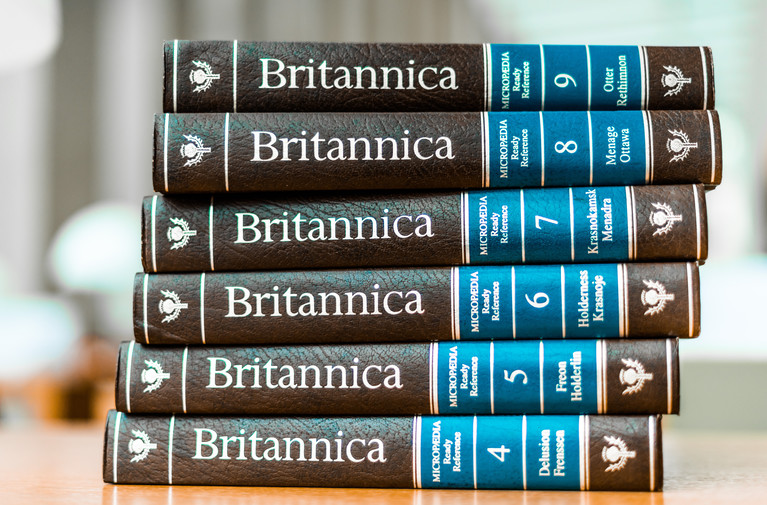
The lawsuit is seeking different kinds of remedies. Britannica is seeking financial compensation. They are also seeking that any profits made on the basis of the misuse be returned. In addition, the publishers are seeking that the court prevent OpenAI from using their content in the future. This could have implications for the creation of large language models.
No statement has been made by OpenAI so far on this case. This is as of March 17, 2026.
The lawsuit alleges that OpenAI used close to 100,000 pieces of content from Encyclopaedia Britannica and Merriam-Webster. The content includes encyclopedia articles and dictionary definitions. The lawsuit alleges that OpenAI used this content without permission.
Britannica vs. OpenAI and the Battle for Content Rights
This lawsuit is part of a larger trend. Publishers, news groups, and content owners have begun to take legal action against AI companies. Many believe that using copyrighted content for model training without permission is a clear infringement of law. However, AI companies often claim fair use and transformation.
The law has not yet ruled definitively. Judges still argue about whether model training constitutes copying. Another area of confusion is whether AI model outputs that resemble their source material constitute infringement.
Britannica has filed similar lawsuits before. In fact, around six months ago, it filed a lawsuit against another AI company, Perplexity AI, for similar reasons. This is clear evidence of their intentions. The company is taking a strong stance against using its content for model training without permission.
The outcome of this particular case could be an important precedent. If the court sides with Britannica, there could be more regulation of data for AI companies. This could mean that these companies could be restricted on what they could use for their training. If OpenAI succeeds, it could further support their argument that their methods of training are legal.
The current situation shows an emerging conflict. On one hand, there are content creators who put their own work into their products. On the other, there are AI programs that require access to large amounts of data to work. The law will have to balance these interests, and this could define these industries for years to come.