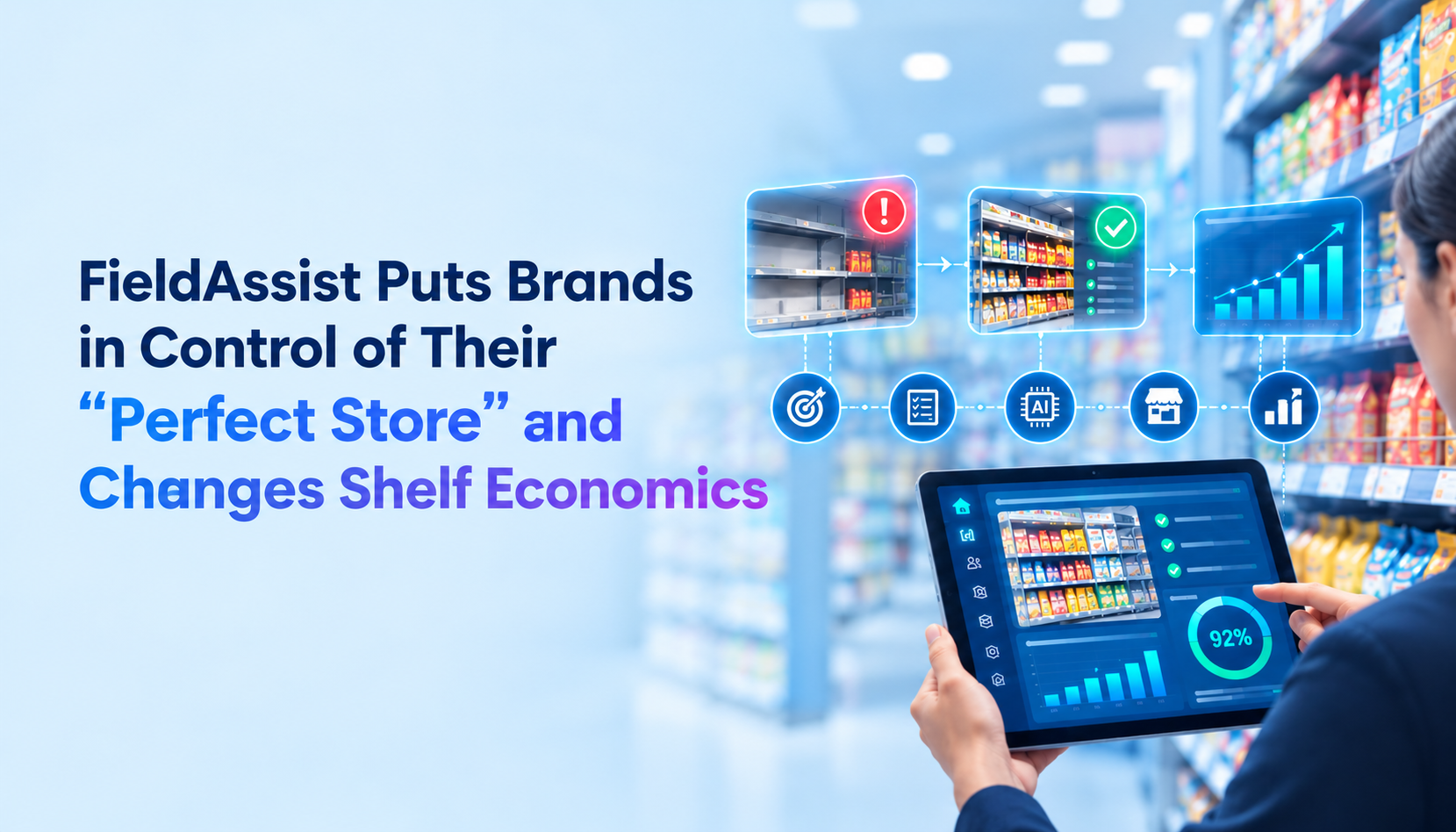
AI Image Recognition can identify what is on a shelf, while actionable insights can show teams what to do next. But a brand still needs to define what a “perfect store” means for its store strategy. FieldAssist is putting that choice at the centre of its Perfect Store execution approach, where brands can establish scorecards around the standards that matter to their business and track execution against them.
A single definition of perfect store rarely fits every objective. For a new product launch, success may depend on the availability and visibility of priority SKUs. For a category growth plan, shelf share and assortment may carry greater weight. A promotion may call for the right display, correct pricing and proof that the activation is in place. The scorecard should reflect the commercial objective, not force every brand, channel or campaign into the same template.
With FieldAssist, brands can structure their Perfect Store scorecards around their own execution priorities and track progress across outlets. AI Image Recognition through IRIS helps turn captured shelf images into insights on SKU presence, planogram compliance, product visibility, shelf share and promotion execution. Those insights can connect to field workflows, giving representatives and managers a basis for acting on specific execution priorities.
Field teams can work against clear tasks and see progress on store objectives. Managers gain visibility into execution at outlet, SKU, representative and territory level. The operating model is straightforward: the brand defines what matters, the scorecard sets the standard, AI Image Recognition helps measure visible execution, and workflows connect findings to action.
From shelf visibility to shelf economics
Shelf space is not only a merchandising concern. It is where product availability, visibility, price and promotion meet the shopper’s decision. Brands may invest in distribution, merchandising and promotions, but the commercial value of that investment depends on how plans show up in individual outlets. A brand-defined scorecard helps connect those investments to conditions teams can observe, prioritize and improve at shelf level.
This is where AI Image Recognition and brand-defined Perfect Store scorecards can make a measurable difference:
- Find missed sales where distribution reports show success. A product may have reached the distributor or outlet but still be missing from the shelf. Identifying these gaps helps teams distinguish product distribution from actual shelf availability.
- Measure whether promotions earn their shelf space. Check whether planned displays, promotional placements and priority products are visible in-store, helping brands identify where activation plans are not translating into shelf execution.
- Make shelf standards reflect business priorities. Define different scorecard criteria for product launches, Must-Sell SKUs, category growth and channel-specific requirements, rather than applying the same execution benchmark to every outlet.
- Direct field effort towards the gaps that matter. Use outlet-level execution scores to prioritize corrective tasks and follow-up visits, instead of treating every store visit as equally valuable.
By using outlet-level performance and execution gaps to guide attention, brands can prioritize visits, assign corrective tasks, recognise consistent execution and refine their standards as markets change. The aim is not to measure more things for the sake of measurement. It is to make the measures match the decisions the business needs to take.
FieldAssist’s Perfect Store execution solution brings together scorecards, AI-led shelf intelligence, task management and performance visibility to help FMCG and CPG brands translate their definition of a perfect store into action across the retail network.
About FieldAssist
FieldAssist provides AI-led sales and distribution technology for CPG and FMCG businesses. Its platform connects field execution, distributor operations and retail intelligence, with capabilities across Perfect Store, IRIS image recognition, Sales Force Automation and Distribution Management.