Chennai-based meat delivery startup Fipola Retail India Pvt. Ltd., once seen as a rising player in the southern Indian market, has suddenly shut its doors, leaving 19 employees—primarily from its Bengaluru tech team—unpaid and jobless. The news broke during a short video call by CEO Sushil Kanugolu, leaving the workforce stunned and scrambling for answers.
In this article, we will delve into the unexpected collapse of Fipola, the employee backlash, and the wider lessons this incident holds for the Indian startup ecosystem.
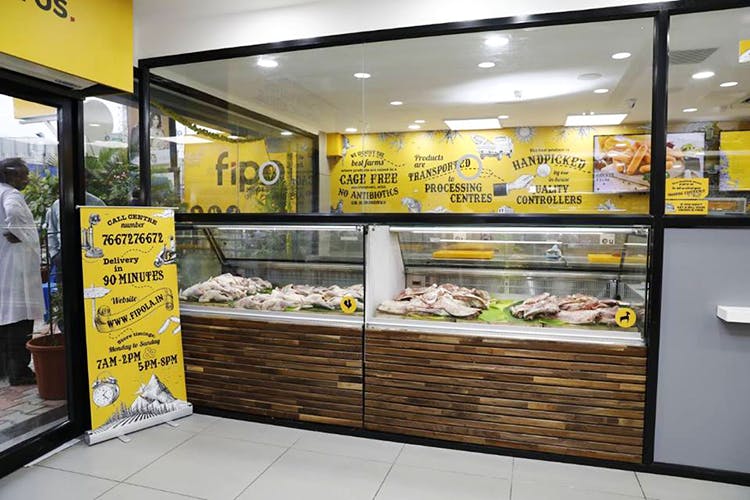
Credits: LBB
Sudden Shutdown, No Severance
The closure came without any prior warning. Employees were invited to what seemed like a routine virtual meeting, only to be told that the company had “completely run out of money” and that all investors had pulled out. There was no formal notice of layoffs, no severance package, and—perhaps most painfully for the affected—no salary for the final month of work.
“I still remember the words: ‘We’ve run out of money. All our investors have backed out.’ Just like that, the company vanished,” one former employee posted anonymously on Reddit’s r/developersIndia forum.
What’s even more alarming is that many employees claim there were no visible signs of distress. Operations were continuing, tasks were being assigned, and teams were pushing forward—until they weren’t.
Employee Anger and Social Solidarity
The manner in which Fipola’s closure was communicated has sparked outrage across social media platforms. Former employees say they feel blindsided and betrayed, pointing to a lack of leadership accountability and basic human decency.
“There was no contingency, no foresight, no backup plan,” one employee wrote. “We were simply told to move on.”
In response, the tech and startup community rallied. LinkedIn, Reddit, and X (formerly Twitter) were flooded with messages offering job referrals, resume assistance, legal guidance, and mental health support. The digital solidarity underscores a growing realization that startups can no longer treat employees as disposable assets.
A Promising Journey Cut Short
Fipola was founded in 2016 and gained attention for its promise to revolutionize the meat delivery sector, offering fresh, hygienic, and premium meat products across South India. In 2021, it underwent a significant restructuring to expand its operations and invest heavily in technology and logistics.
By 2022, the company had over 100 retail stores, strong online presence, and was considered a market leader in cities like Chennai, Bengaluru, and Hyderabad. It had even raised multi-crore investments and touted plans for pan-India expansion.
However, insiders now say the cracks began to show as operational costs surged, regulatory compliance became harder in the meat industry, and investor sentiment cooled amidst global funding slowdowns. Discussions with new investors reportedly fell apart in the last few months, triggering the final downfall.
Startup Culture Under the Microscope
The Fipola episode is more than just another business shutdown—it’s a cautionary tale. In the last two years, India has seen a growing list of startups scaling fast, raising big, and then vanishing without a trace, leaving employees, vendors, and customers in the lurch.
This incident raises important questions:
-
Should startups be legally required to offer notice or severance before closing?
-
Should investors also bear some responsibility in such cases?
-
And most importantly, what safety nets can protect employees caught off-guard?
As funding tightens in 2025, transparency, planning, and ethical exits are becoming non-negotiable. Employees, too, are now more aware of their rights and the risks involved in joining startups.

Credits: Ascendants
Final Thoughts: A Harsh Wake-Up Call
Fipola’s fall serves as a grim reminder of how fragile startup success can be—and how badly things can go when transparency is missing. While tech and innovation remain exciting spaces to work in, employees must now be more vigilant than ever about signs of instability, delayed salaries, or lack of communication from leadership.
The startup dream may still be alive, but after Fipola’s crash, it’s clear that the industry needs more accountability, empathy, and preparation—especially when dreams come crashing down.