The night took a surprising turn at Monday’s Gotham Awards when Guillermo del Toro used his acceptance moment to unload on Hollywood’s artificial intelligence. He didn’t hold back, yelling, “F**k AI,” in praise of the human craft that brought his latest project, Frankenstein, to life.
Del Toro was on hand to pick up the Vanguard Tribute for his Netflix adaptation of Mary Shelley’s iconic horror tale, which bowed on the streamer in November. Standing alongside stars Jacob Elordi and Oscar Isaac, he made his stance on one of the industry’s hottest debates unmistakably clear.
His message was plain and uncompromising: “The artistry of all crew, technicians, and actors, shines on every single frame of this film that was willfully made by humans, for humans.” This wasn’t a casual quip but a considered defense of the hundreds of craftspeople whose skill and devotion shaped the director’s vision.
Guillermo del Toro’s Passionate Defense of Human Artistry: “F**k AI”
AI in filmmaking has become a flashpoint as technology seeps into every phase of production, from script work to visual effects, stirring concerns about jobs and the integrity of the creative process in Hollywood.
Before wading into AI talk, del Toro shared something intimate. Frankenstein has been a part of his life since childhood – he had dreamed of adapting Shelley’s story since he was 11 years old.
His connection runs deep. “Back then, through her work and a first glimpse of Boris Karloff, I realised I didn’t fit the world the way my parents or society expected me to,” he said. The tale of the misunderstood monster struck a chord with the young filmmaker, often made to feel like an outsider – an undercurrent that threads through much of his later work.
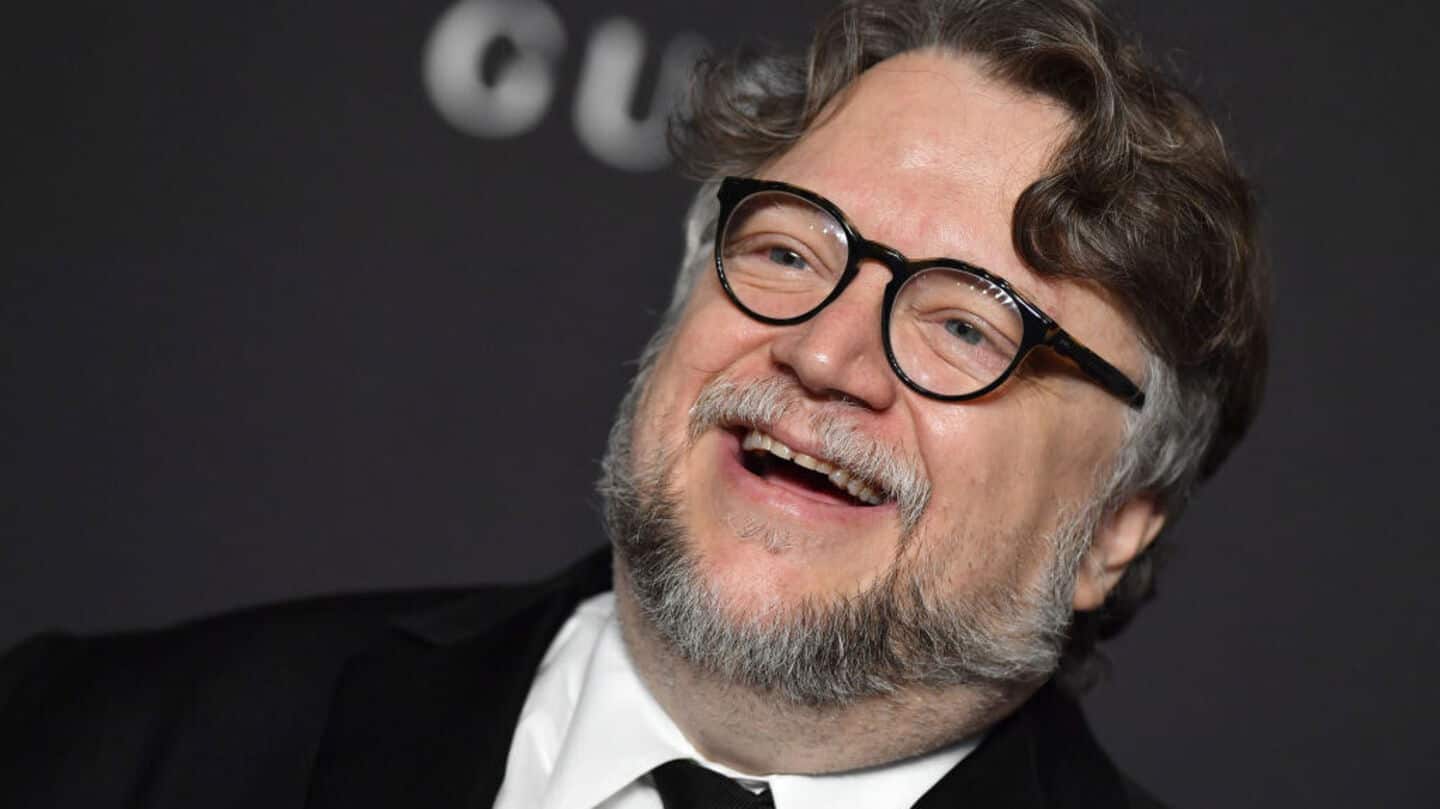
That emotional note gave extra weight to his defense of human artistry. Frankenstein isn’t another project for himthis is a film that is close to his heart, decades in the making.
After brief remarks from Elordi and Isaac, del Toro took the mic again to honor the team behind the cameras. He didn’t savor personal glory; instead, he methodically listed the army of artists who made Frankenstein possible.
“It’s the designers, the builders, the makeup, the wardrobe, the cinematographers, the composers, the editors-this tribute belongs to all of them,” he listed, naming many of the departments that bring a film to life. Then he delivered his sharp closing: “I would like to extend our gratitude and say: F**k AI.”
His point wasn’t just about technology, it was about preserving the livelihoods of real people whose skill and artistry define cinema.
Guillermo Toro Draws a Clear Boundary Against AI in Filmmaking
Del Toro’s impassioned speech comes as Frankenstein gathers steam in advance of awards season. Insiders predict the film will compete in nine categories at the Academy Awards, including Best Picture. Nominations are also expected in Best Visual Effects fitting match for his human-artistry defense, and a Best Supporting Actor nod for Jacob Elordi.
Those nominations would recognize both the craft and performances he celebrated in his speech. A Clear Boundary Del Toro’s candor has sparked discussions throughout the industry. His willingness to weigh in reflects deepening concern in Hollywood about AI’s potential to disrupt the business and imperil the artisans who make their livings through talent and creativity.
Whether you agree or not with the manner in which he said it, the substance of his message resounds: Filmmaking is an essentially human endeavor. Every creature design, every light, every performance demands talent and instinct that machines can’t replicate.
As Hollywood navigates the velocity of technological shift, Guillermo del Toro has made one thing clear: to him, the future of cinema has to be made by humans, for humans. The director never shies away from saying so.