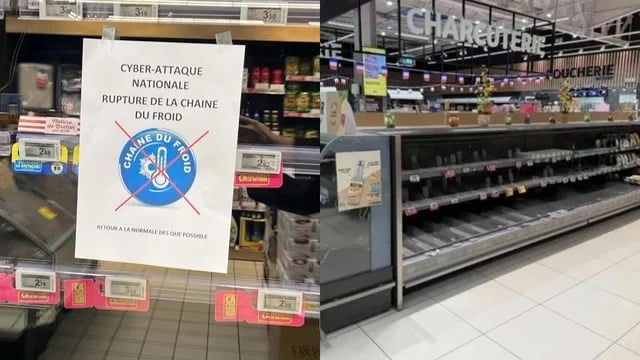
Cyberattacks are increasingly moving beyond computers and digital data, targeting the physical systems businesses depend on to operate. In a disturbing example of this growing threat, hackers reportedly manipulated supermarket refrigeration systems, causing temperatures to rise as high as 122 degrees Fahrenheit and forcing stores to throw away food that may no longer have been safe for consumption.
The incident highlights the potential consequences of connecting everyday equipment to digital networks. Refrigeration systems are essential to supermarket operations, preserving fresh produce, meat, dairy products, seafood and other perishable goods. When attackers interfere with these systems, the damage can extend beyond technical disruptions to include financial losses, food waste and potential risks to public health.
How the Attack Affected Supermarket Refrigeration
Modern supermarkets rely on automated refrigeration systems to maintain specific temperatures throughout the day. Sensors, digital controllers and monitoring software work together to regulate cooling and alert employees when equipment malfunctions.
However, these connected systems can become targets for cybercriminals if they are not adequately protected. Unauthorized access to refrigeration controls may allow attackers to alter settings, interrupt cooling or interfere with the equipment’s normal operation.
In the reported incident, temperatures allegedly reached 122 degrees Fahrenheit, equivalent to approximately 50 degrees Celsius. Such conditions are far outside the acceptable range for refrigerated food and could rapidly compromise perishable products.
When refrigeration systems fail, supermarket employees must determine whether the affected food can still be sold safely. Products exposed to unsafe temperatures may need to be discarded, particularly when their exposure time and storage conditions cannot be reliably established.
The incident demonstrates how a digital intrusion can create immediate physical consequences. Instead of simply losing access to files or business applications, retailers can find themselves dealing with damaged inventory and disrupted operations.
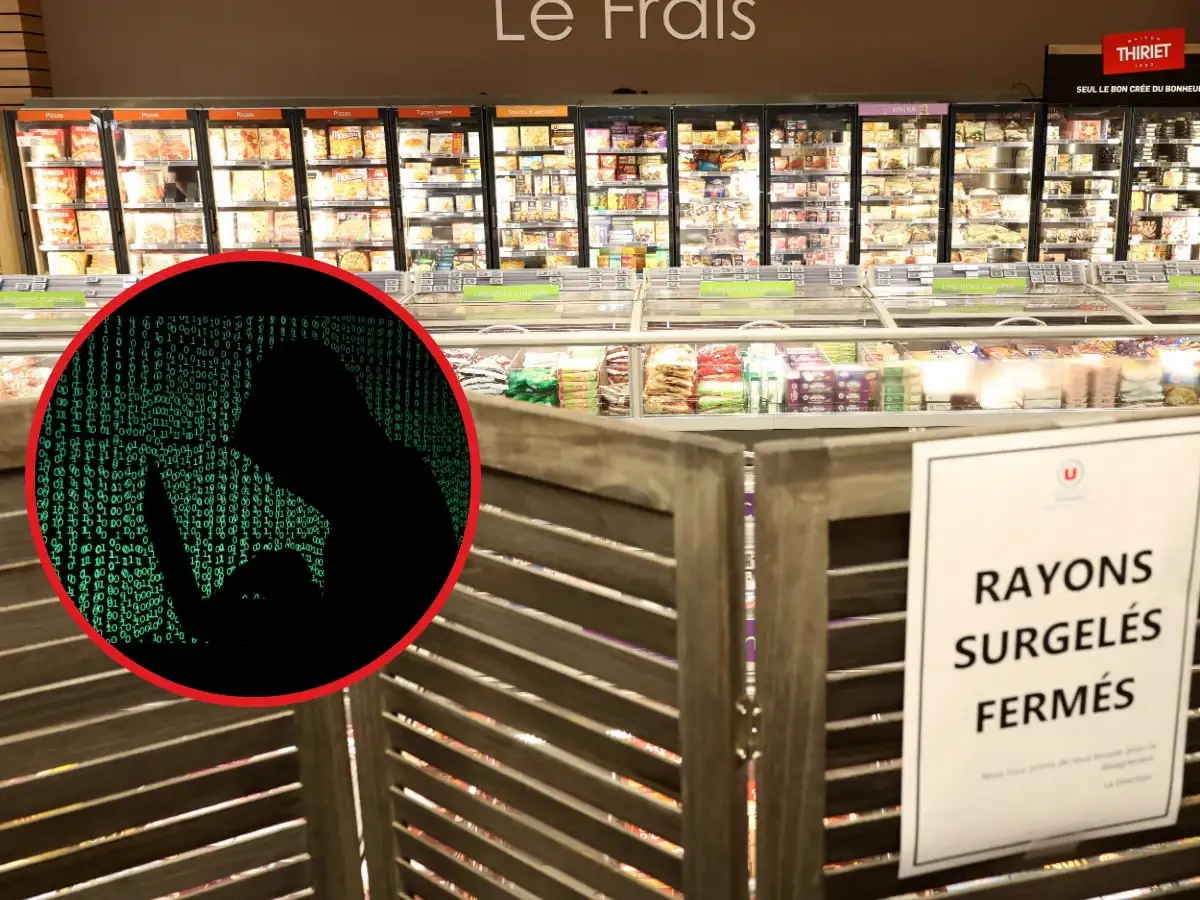
Why Connected Equipment Is a Growing Security Risk
Supermarkets increasingly use connected technologies to improve energy efficiency, monitor equipment remotely and manage multiple locations through centralized systems. While these tools can make operations more efficient, they also create additional points of potential vulnerability.
Weak passwords, outdated software, improperly configured remote connections and inadequate network security can expose refrigeration controls to unauthorized access. In some cases, equipment designed primarily for operational reliability may not receive the same cybersecurity attention as payment systems or corporate computers.
Once attackers gain access to a vulnerable system, the consequences depend on the level of control available to them. If refrigeration equipment can be manipulated remotely, changes to temperature settings may go unnoticed until alarms activate or employees discover that products have been affected.
The challenge is particularly significant for large retailers operating multiple stores. Centralized monitoring can simplify maintenance, but a poorly secured management platform could potentially expose equipment across several locations.
These risks are not exclusive to supermarkets. Warehouses, food-processing facilities, pharmaceutical storage operations and other businesses also depend on temperature-controlled environments. Similar vulnerabilities could threaten products and equipment wherever connected systems control physical conditions.
Financial Losses and Food Waste
The financial consequences of a refrigeration-related cyberattack can be substantial. Supermarkets may lose entire batches of perishable inventory, while also facing equipment inspections, emergency repairs and temporary interruptions to business.
The scale of the damage depends on how long the refrigeration systems remain compromised, the number of affected products and whether employees can identify the problem before extensive losses occur.
Food waste creates another significant concern. Every discarded product represents resources spent on production, packaging, transportation and storage. When food becomes unsellable because of a preventable equipment failure, those resources are wasted throughout the supply chain.
Smaller retailers may be especially vulnerable to sudden inventory losses because they have fewer financial resources to absorb unexpected expenses. Even larger chains could experience substantial disruption if several stores are affected simultaneously.
Customers may also lose confidence in a retailer if an incident raises concerns about food-storage practices. Businesses must therefore respond quickly, investigate the affected equipment and ensure that potentially unsafe products are removed from sale.
How Supermarkets Can Protect Their Systems
Retailers can reduce these risks by strengthening cybersecurity across their operational technology. Strong passwords, multi-factor authentication and restricted remote access can make it more difficult for unauthorized users to interfere with refrigeration controls.
Separating equipment-control networks from ordinary corporate networks can also limit the spread of an intrusion. Businesses should regularly update software, review third-party access and identify connected devices that may have been overlooked during security assessments.
Independent temperature-monitoring systems are another important safeguard. If a refrigeration controller is compromised, separate sensors and alerts could help employees detect abnormal conditions more quickly. Faster detection may reduce the amount of food affected and give staff more time to respond.
Supermarkets should also develop clear emergency procedures covering equipment failures and suspected cyberattacks. Employees need to know how to isolate affected systems, contact technical specialists and assess products before deciding whether they can remain available for sale.
Regular security testing and staff training can further improve preparedness. Retailers should treat refrigeration equipment as part of their critical infrastructure rather than viewing it solely as a facilities-management concern.

A Warning for the Retail Industry
The reported incident illustrates how cyberattacks can disrupt essential physical operations. As businesses become more dependent on connected devices, protecting digital networks is increasingly important for maintaining equipment reliability, preventing waste and safeguarding consumers.
For supermarkets, refrigeration is not simply a convenience. It is fundamental to preserving food quality