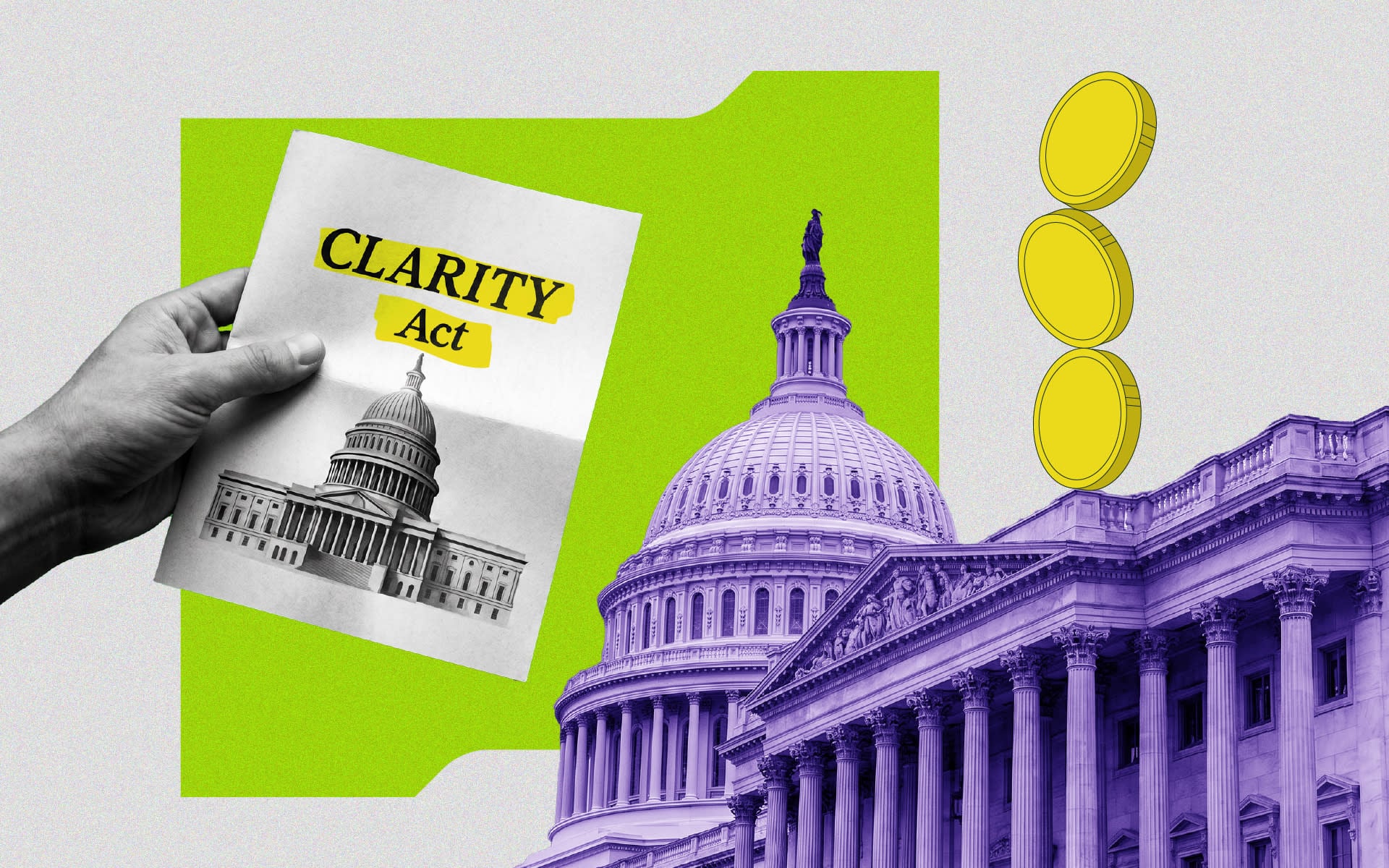
The much valued CLARITY Act is on the Senate floor for discussion with many different angles being reviewed regarding the ability of stablecoin issuers to offer yield on digital dollar holdings. Some lawmakers are looking at yield on stablecoins as innovative and a step forward, others say it’s an alarm for the traditional banking industry that will lead to significant changes in the U.S. economy. Brian Moynihan, CEO of Bank of America, recently reiterated that yield-bearing stablecoins may fundamentally alter the way that financial systems operate in the United States.
The Six Trillion Dollar Warning
The worries around banking have been present for many years but they’re becoming increasingly strong in nature by the day. Brian Moynihan’s forecast from a recent earnings call demonstrates how significant the banking world views the future of digital finance to be. He warned that if stablecoin issuers are granted the regulatory green light to pay interest, an astonishing $6 trillion could eventually be pulled out of the traditional banking system. According to Federal Reserve data, U.S. commercial banks currently hold approximately $18.6 trillion in customer deposits. Moynihan’s bold estimate represents nearly 35 percent of the entire system’s funding base.
Why Traditional Lenders Are Worried
To understand the gravity of this projection, one must look at how traditional banks operate. Financial institutions rely heavily on low-cost customer deposits to fund everyday loans for households and small businesses. If a massive migration of funds shifts into yield-bearing stablecoins, banks will immediately lose their primary source of cheap capital. To maintain operations, these institutions would be forced to seek out much more expensive forms of wholesale funding. Ultimately, those increased operational costs would be passed directly to the consumer, triggering higher borrowing rates across the board.
The CLARITY Act Compromise
The tension between digital innovation and financial stability sits at the center of the CLARITY Act. The Senate Banking Committee has moved forward with legislation in a complicated arrangement. The proposed law prohibits passive yield (i.e., interest paid just for having a digital dollar). Still, activity-based rewards of using the platform are allowed. Many significant trade associations such as the American Bankers Association are opposed to this compromise and maintain that the current language has loopholes that can promote rapid deposit flight.
Balancing Innovation and Systemic Risk
The cryptocurrency community perceives the ongoing legislative battle as somewhat different. Advocates for the industry believe yield-generating stablecoins would open up finance to more consumers and provide them with direct access to yield opportunities with their digital currency. As such, they believe the introduction of competition into our financial system will compel traditional banking institutions to start offering their customers greater interest rates. Contrary to this view are Wall Street’s titans who are opposed to the idea of allowing technology companies to effectively operate as banks without requiring the same high-standard capital reserves and regulatory requirements put in place for the traditional banking sector.
A Tightening Legislative Window
While the debate rages on, the actual timeline for passing the CLARITY Act is rapidly shrinking. The bill still needs to survive a full floor debate before navigating the highly polarized House of Representatives. The regulation of digital currencies and the impact they may have on the United States economy is still unknown. As the November midterms get closer, the legislative window is very small. The current political environment, including turmoil and disruption in the country, appears to have largely impacted the amount of domestic tranquility and uncertainty and has created a 50% probability of the passage of proposed legislation prior to the 2026 election. The movement of a substantial amount of deposit accounts has a possibly material affect on the financial services industry. Therefore, the future of digital finance in the US continues to be very much in doubt.