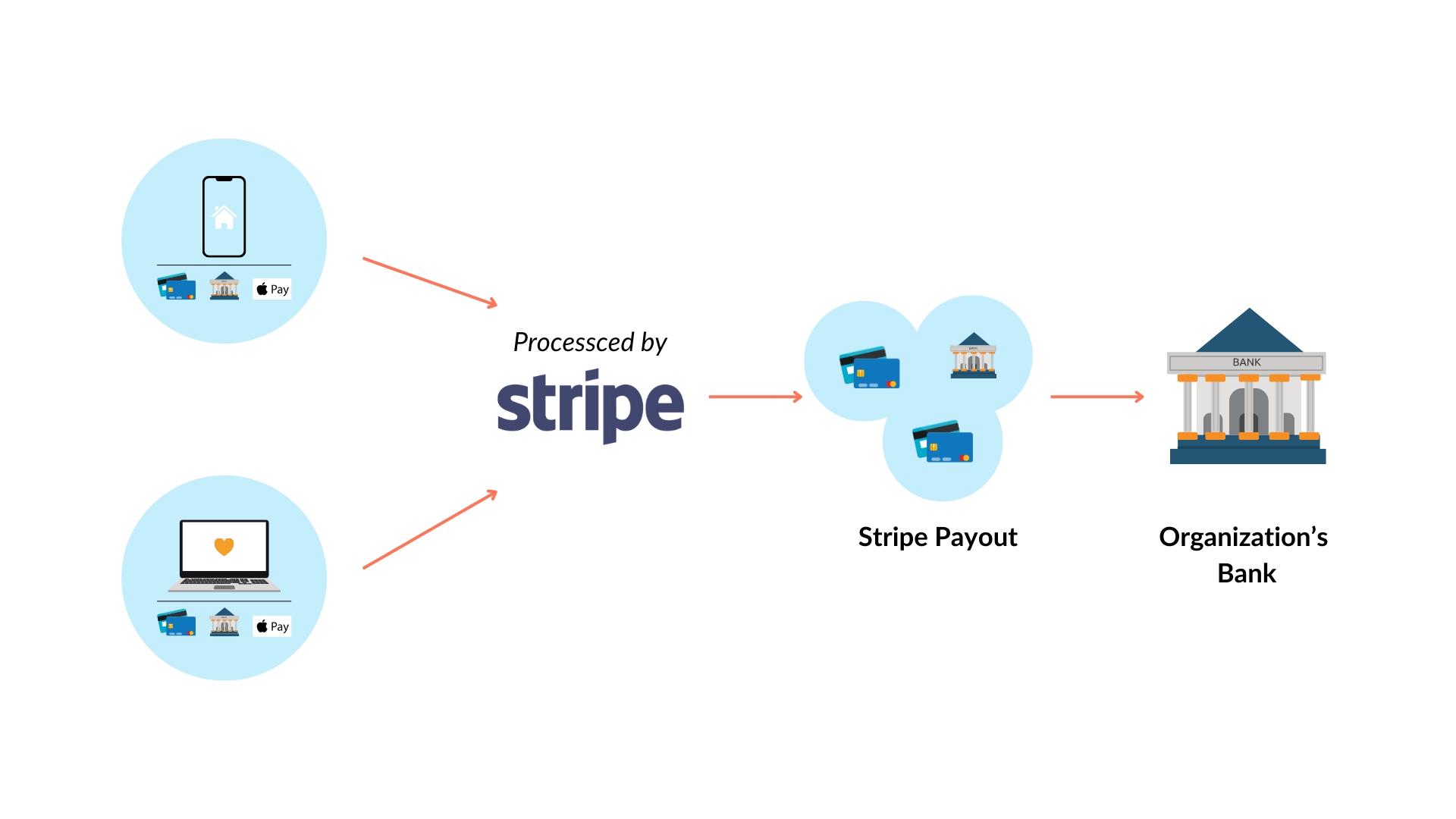
If you’ve ever made an online purchase, subscribed to a digital service, or paid for a product through a website, there’s a good chance that Stripe was working behind the scenes.
Founded in 2010 by Irish brothers Patrick and John Collison, Stripe has grown into one of the world’s most valuable fintech companies. The company powers payments for businesses ranging from small startups to global enterprises such as Shopify, Amazon, OpenAI, and thousands of other online merchants.
At first glance, Stripe’s business model seems incredibly simple. Businesses sign up, integrate Stripe into their websites or apps, and pay a transaction fee every time a customer makes a purchase.
But beneath that simplicity lies a sophisticated revenue engine. Stripe has transformed itself from a payment processor into a full-scale financial infrastructure platform, generating revenue from software tools, fraud prevention, international transactions, financial services, and much more.
Stripe earns money from a variety of services, some obvious and others that many merchants rarely notice. Here’s a closer look at how Stripe makes money.
Credits: Business Model Hub
Stripe’s Core Business: Payment Processing
The foundation of Stripe’s business model is payment processing.
Whenever a customer purchases a product online using a credit card, debit card, digital wallet, or another payment method, Stripe acts as the intermediary that securely moves money from the customer to the merchant.
In exchange, Stripe charges a fee.
In the United States, the standard fee for online card transactions is typically 2.9% plus $0.30 per transaction. For example, if a customer spends $100, Stripe collects approximately $3.20.
With billions of transactions flowing through its platform every year, these fees generate enormous revenue.
However, many people assume Stripe keeps the entire amount, which isn’t true.
Why Stripe Doesn’t Keep the Entire Transaction Fee
Every payment transaction involves several parties.
When a customer pays with a credit card, the issuing bank, acquiring bank, card network, and payment processor all receive a portion of the fee.
The largest component is usually the interchange fee, which goes to the card-issuing bank. Card networks such as Visa and Mastercard also collect network fees.
As a result, Stripe must share a significant portion of the transaction fee with other participants in the payment ecosystem.
Depending on the type of card used and the nature of the transaction, these underlying costs can vary considerably. In some cases, payment methods like premium credit cards may leave Stripe with relatively thin margins.
This means Stripe’s actual profit on many transactions is far lower than its advertised fee suggests.
The Advantage of Payment Mix
Not all payment methods cost the same.
Some payment options are significantly cheaper for Stripe to process than others.
For example:
- Debit cards generally have lower fees than credit cards.
- Bank transfers often cost even less.
- Digital wallets can reduce processing costs in certain situations.
- Alternative payment methods may carry different pricing structures.
This variety works in Stripe’s favor.
While some transactions generate lower margins, others generate higher ones. Across millions of merchants and billions of transactions, Stripe benefits from the overall mix of payment methods used on its platform.
The company’s massive scale also gives it greater negotiating power with financial institutions and payment networks, helping improve profitability.

Credits: FinTech Strategy
Stripe Billing: Monetizing the Subscription Economy
As subscription-based businesses became increasingly popular, Stripe identified an opportunity to expand beyond simple payment processing.
The result was Stripe Billing.
Billing helps businesses manage recurring payments, subscriptions, invoicing, revenue recognition, customer upgrades, downgrades, and cancellations.
Companies like streaming services, SaaS providers, membership businesses, and digital platforms rely heavily on subscription management.
Instead of building complex billing systems internally, businesses can use Stripe Billing and pay additional fees for the convenience.
This creates an entirely new revenue stream beyond transaction processing.
As subscription businesses continue to grow globally, Stripe Billing has become an increasingly important component of the company’s overall business model.
Stripe Connect: Powering Marketplaces and Platforms
Another major revenue generator is Stripe Connect.
Connect is designed for platforms and marketplaces that facilitate transactions between multiple parties.
Think about businesses like:
- Ride-hailing apps
- Freelance marketplaces
- Food delivery platforms
- Creator platforms
- E-commerce marketplaces
These companies need to collect payments from customers and distribute funds to drivers, freelancers, creators, or sellers.
Managing these payment flows can be extremely complicated.
Stripe Connect simplifies the process by handling onboarding, payouts, compliance requirements, tax reporting, and payment distribution.
In exchange, Stripe charges additional fees on top of standard payment processing costs.
As the creator economy and platform economy continue expanding, Connect has become one of Stripe’s most valuable products.

Credits: Riviera Events
Fighting Fraud with Stripe Radar
Online fraud is a massive challenge for businesses.
Fraudulent transactions can lead to lost revenue, chargebacks, reputational damage, and increased operational costs.
To address this problem, Stripe developed Radar.
Radar uses machine learning and data collected across Stripe’s global network to identify suspicious transactions before they are completed.
The system analyzes patterns, customer behavior, transaction history, device information, and countless other signals.
Businesses pay additional fees to use Radar’s advanced fraud protection features.
Because fraud prevention directly impacts a merchant’s bottom line, many businesses view Radar as a worthwhile investment.
For Stripe, it represents another recurring revenue stream layered on top of payment processing.
Making Money from Data and Analytics
Modern businesses depend heavily on data.
They want insights into customer behavior, payment trends, subscription performance, and revenue growth.
Stripe addresses this need through products such as Sigma.
Sigma allows businesses to analyze payment data using advanced reporting and SQL-based queries.
Instead of exporting information into external systems, merchants can access valuable business insights directly within Stripe’s platform.
The company charges fees for these analytical tools, turning payment data into another source of revenue.
This strategy reflects a broader trend in technology: software companies increasingly monetize the data generated within their ecosystems.
Cross-Border Payments and Currency Conversion
One of Stripe’s most profitable opportunities comes from international commerce.
As businesses sell products globally, they need the ability to accept payments in multiple currencies.
Stripe makes this process seamless.
A customer in Europe can purchase from a merchant in the United States, while Stripe handles the currency conversion and settlement behind the scenes.
Merchants appreciate the convenience, but these services come with additional fees.
Stripe earns revenue through:
- Currency conversion fees
- International transaction fees
- Cross-border payment fees
- Foreign exchange spreads
In many cases, customers and merchants barely notice these costs because they are integrated into the payment experience.
Given the rapid growth of global e-commerce, cross-border transactions have become an increasingly valuable revenue source for the company.

Credits: TechCrunch
Chargebacks and Dispute Fees
Whenever a customer disputes a payment, the transaction enters the chargeback process.
Chargebacks are expensive and time-consuming for merchants, payment processors, and financial institutions.
Stripe helps manage these disputes and often charges merchants fees for handling the process.
Although chargebacks create operational work, they also generate revenue.
At scale, even relatively small dispute-related fees can contribute significantly to Stripe’s earnings.
The company also invests heavily in risk management systems to maintain healthy relationships with banks and card networks while keeping dispute rates under control.
Financial Services Beyond Payments
Over the years, Stripe has steadily expanded into broader financial services.
The company now offers products that help businesses manage more than just payments.
These include:
- Business financing
- Treasury services
- Corporate cards
- Banking infrastructure
- Revenue management tools
By embedding itself deeper into business operations, Stripe increases customer retention while opening up new monetization opportunities.
Rather than being merely a payment processor, Stripe is positioning itself as the financial operating system for internet businesses.
The Power of Stripe’s Ecosystem
One of Stripe’s greatest strengths is its ecosystem.
Many merchants initially sign up simply to accept payments.
Over time, they begin using Billing, Connect, Radar, Sigma, financial services, and other products.
The more services a business adopts, the more deeply integrated Stripe becomes into its operations.
This creates a powerful network effect.
Switching to another provider becomes increasingly difficult because multiple business processes depend on Stripe’s infrastructure.
As a result, Stripe benefits from strong customer retention and long-term revenue growth.

Credits: PYMNTS
The Bottom Line
Stripe may be best known for charging a transaction fee every time a customer makes a purchase, but that’s only one piece of the puzzle.
The company has built a diversified business model that extends far beyond payment processing. Revenue comes from subscription management, marketplace tools, fraud prevention, analytics, chargeback handling, currency conversion, international transactions, and a growing suite of financial services.
This multi-layered approach has helped Stripe become one of the most influential fintech companies in the world.
By turning payments into a gateway for a broader ecosystem of financial products, Stripe has created a business model that grows alongside its customers. Every new merchant, every additional service, and every international transaction strengthens the company’s position at the center of the global digital economy.
In short, Stripe doesn’t just process payments—it monetizes the infrastructure that powers modern online business.