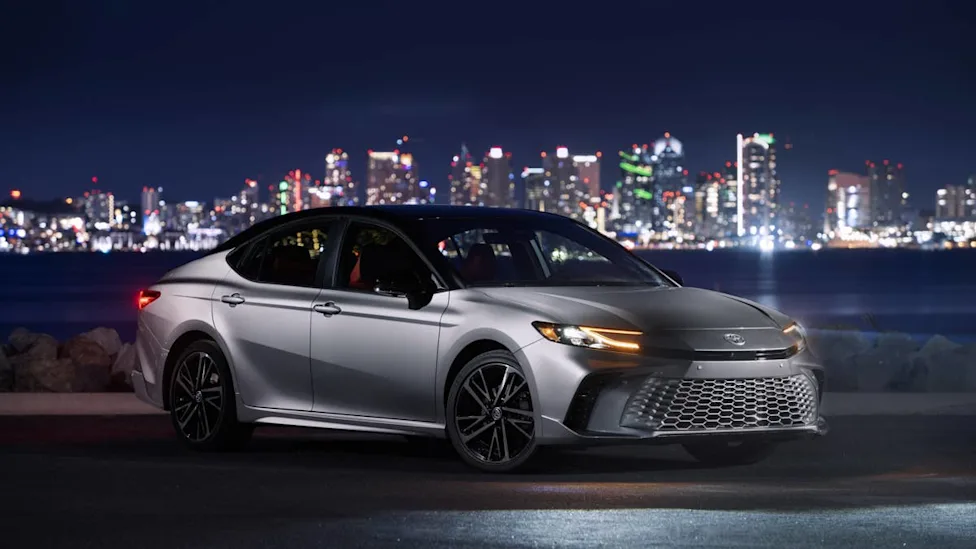
As more drivers look for fuel-efficient alternatives without making the full switch to electric vehicles, hybrid cars continue to gain popularity. But one question still comes up repeatedly among buyers: Are hybrid cars reliable?
The short answer is yes. In fact, recent industry data suggests that hybrids are now among the most dependable vehicles on the road. What was once considered a complex technology has matured into a proven automotive solution that combines efficiency with long-term durability.
Hybrid Reliability Has Improved Dramatically
When hybrid vehicles first entered the market more than two decades ago, concerns about battery life and repair costs were common. Today, those concerns have largely faded.
Recent reliability surveys show that hybrid vehicles often experience fewer mechanical problems than conventional gasoline-powered cars. Automotive analysts attribute this to years of engineering improvements and the fact that hybrid systems reduce strain on major components such as engines and brakes. Studies have found that hybrids generally report fewer issues than traditional internal combustion vehicles.
This growing confidence has helped hybrids become a preferred choice for drivers seeking both fuel savings and peace of mind.
The Battery Question: How Long Do They Last?
Battery longevity remains the biggest concern for many prospective buyers. However, modern hybrid batteries have proven to be remarkably durable.
Industry experts estimate that most hybrid batteries can comfortably last between 100,000 and 200,000 miles, with many continuing to perform well beyond that range. Manufacturers have also improved battery management systems to prevent excessive charging and discharging, which helps extend battery life.
Many automakers back their hybrid systems with extended warranties, often covering battery components for eight to ten years. This additional protection has significantly reduced ownership anxiety.
Lower Wear Means Lower Maintenance
One reason hybrids perform well over time is their unique operating system. During low-speed driving, the electric motor assists the gasoline engine, reducing engine workload and wear.
Hybrids also use regenerative braking technology, which captures energy during braking and sends it back to the battery. This process reduces wear on traditional brake components, potentially lowering maintenance expenses over the vehicle’s lifespan.
As a result, many hybrid owners report fewer visits to repair shops compared to owners of conventional vehicles.
Not Every Hybrid Is the Same
While hybrids generally perform well, reliability can vary by brand and model. Vehicles from manufacturers with long experience in hybrid technology tend to receive stronger reliability ratings.
Experts advise buyers to research specific models rather than relying solely on brand reputation. Maintenance history, driving habits, and vehicle age also play important roles in long-term dependability.
The Verdict
The evidence in 2026 points to a clear conclusion: hybrid cars are no longer an experimental technology. They have become one of the most reliable vehicle categories available today.
With proven battery durability, reduced mechanical wear, strong warranty coverage, and years of real-world performance data, hybrids offer a practical middle ground between traditional gasoline vehicles and fully electric cars.
For drivers seeking fuel efficiency without sacrificing dependability, hybrid vehicles remain one of the smartest choices on the market.