U.S. Immigration and Customs Enforcement (ICE) just finalized its largest contract to date with the controversial face recognition firm Clearview AI, raising fresh concerns over government surveillance and private life. The September 5, 2025, deal is worth as much as $9.2 million and is the largest expansion so far in the use of face recognition software among federal authorities.
The deal is accompanied by some big figures and wide-ranging terms:
- Overall value: Up to $9.2 million over potentially four years
- Initial expenditure: $3.75 million invested
- Length: One-year foundation period with three possible expansions
- Contract type: Sole-source, no-bid agreement
This is Clearview AI’s largest government contract so far, reflecting expanding federal use of face recognition software in law enforcement work.
How ICE Plans to Use the Technology
The agency is not keeping the plans under wraps. ICE will employ the face recognition app of Clearview in two main roles:
- A new area of focus in the technology: Examination of assaults on ICE officers
- Cases of sexual abuse of children: Continuation of previous use from 2020 onwards
Clearview’s system is matched against a gigantic database that contains billions of images that have been scraped from publicly available sources like social media networks, web pages, and other online aggregates. Think of this as the reverse of an image search, but with face and at a scale that covers much of the publicly available photos on the web.
Why This Contract Matters?
ICE defended skipping the normal competitive bidding procedure based on Clearview’s “unique proprietary capabilities.” Though the agency has employed Clearview technology at least since 2020 in investigating child exploitation, the new contract marks a significant expansion into the protection of federal officers.
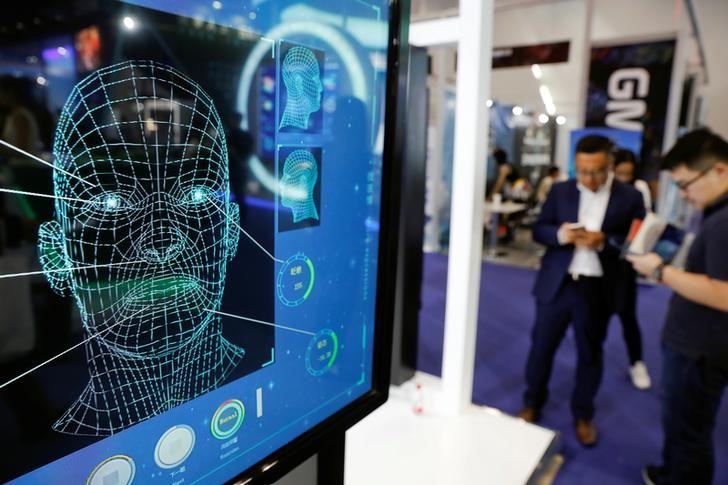
The timing is significant as well. Other federal agencies, like the FBI, have themselves been increasing their own deals with face recognition firms, indicating that there is a government-wide movement toward the use of such machines.
Immigrant rights activists and civil liberties groups are in no way impressed with this move. They are Concerned with the following key issues:
- Risks of mistaken identity: Facial recognition software can misidentify faces, with possible consequences being false investigations or arrests
- Violations of privacy: The software browses through billions of images, usually snapped and used without the consent of the people
- Surveillances des communities : Les commentateurs se préoccupent des abus du pouvoir des surveillances disproportionnées des communaut
- Transparency is absent: No-bid contracting means there is less public study of how tax money is being used
Some supporters refer to instances when officials have supposedly misreported encounters with officers, only to have the charges dismissed when the complete narrative is revealed.
They fear that the technology of facial recognition will exacerbate these woes.
Broader Significance: This agreement is no exception. It’s part of the broader pattern of federal agencies growing more fond of the use of biometric surveillance technology.
The Rise of Biometric Surveillance and The ICE-Clearview Deal
The FBI, Department of Homeland Security, and other agencies have quietly gone about expanding the use of face-recognition software in recent years. The rising use has brought with it demands for better regulation and transparency measures.
Politicians and civil liberties campaigners believe citizens should be more informed about the extent of use of the powerful spying software and what protection is in place against misuse.
What Comes Next? With the possibility of a four-year timeframe, this agreement may drastically influence the way in which federal immigration enforcement functions. The technology will be permanently ingrained in the investigative methodology of ICE, so any later policy changes will be harder to enact. Meanwhile, the debate over facial recognition in government continues to intensify.
As contracts like this one become public, expect more scrutiny from Congress, advocacy groups, and the courts about the appropriate limits of government surveillance technology.
The ICE-Clearview deal is more than just a commercial agreement; it’s also a sneak peek at the future in which biometric monitoring is normalized in federal policing, with all the benefits and drawbacks that entail.