After nearly two decades of negotiations, India and the European Union have finally signed a landmark free trade agreement, marking one of the most significant trade liberalisation moves in India’s recent history. The deal will dramatically open up India’s market to European goods and services, slash import tariffs on 90% of EU products, and unlock new opportunities for businesses on both sides.
For consumers, it means cheaper luxury cars, wine, beer, chocolates, and olive oil. For companies, it signals easier access, lower costs, and fresh growth avenues. And for India’s economy, the agreement could become a catalyst for manufacturing upgrades, job creation, and deeper global integration.

Credits: MSN
Two Decades in the Making
Talks between India and the EU began more than 20 years ago, but progress was slow due to disagreements over tariffs, market access, data protection, and mobility of professionals. The breakthrough comes at a time when global trade is being reshaped by geopolitical tensions, supply chain shifts, and the push for diversified partnerships.
With this deal, India sends a strong signal: it is ready to open key sectors while protecting long-term strategic interests. For the EU, India’s vast and fast-growing consumer market represents one of the biggest growth opportunities in the world.
Massive Tariff Cuts: What Gets Cheaper
The most visible impact of the agreement is the sharp reduction in import duties on European goods. India has agreed to eliminate or reduce tariffs on nearly 90% of EU products over time, a scale of liberalisation not seen before in any of its trade agreements.
Alcoholic beverages will see some of the steepest cuts. Import duties on beer from EU nations will now be 50%, liquor will be taxed at 40%, while wine will attract tariffs between 20% and 30%. These reductions are expected to make premium European brands significantly more affordable in Indian cities.
Several everyday consumer items will now enter India duty-free. Tariffs on olive oil, butter, and chocolate have been cut to zero, a move that will benefit both consumers and food processing companies that rely on European ingredients.
Luxury Cars and Industrial Goods Get a Boost
One of the biggest announcements in the deal is the dramatic cut in tariffs on European luxury cars. Import duties, which earlier went as high as 110%, will now drop to just 10%, with a cap in place to manage volumes. This could transform India’s high-end automobile market, making brands like Mercedes-Benz, BMW, Audi, and Porsche far more competitive.
Beyond consumer goods, the agreement will have a major impact on India’s industrial landscape. Tariffs on machinery, chemicals, and pharmaceuticals will be reduced significantly or removed altogether. This will lower input costs for Indian manufacturers and help domestic firms upgrade technology and improve efficiency.
Opening Doors for Services and Investment
The deal is not just about goods. It also gives European firms better access to India’s fast-growing services sector. Companies in finance, maritime services, logistics, and related areas will receive preferential treatment, making it easier for them to operate and invest in India.
This is expected to bring in fresh capital, global expertise, and advanced systems into Indian markets. Over time, these inflows could help improve productivity, create high-skilled jobs, and strengthen India’s role as a global services hub.
A Special Focus on Small Businesses
A new chapter in the agreement is dedicated to small and medium enterprises (SMEs), which form the backbone of both the Indian and European economies. The deal promises simpler procedures, better information sharing, and easier access to markets for small businesses looking to trade across borders.
For Indian SMEs, this could open doors to high-value European markets. For EU firms, it offers a chance to tap into India’s vast supply chains and consumer base with fewer regulatory hurdles.
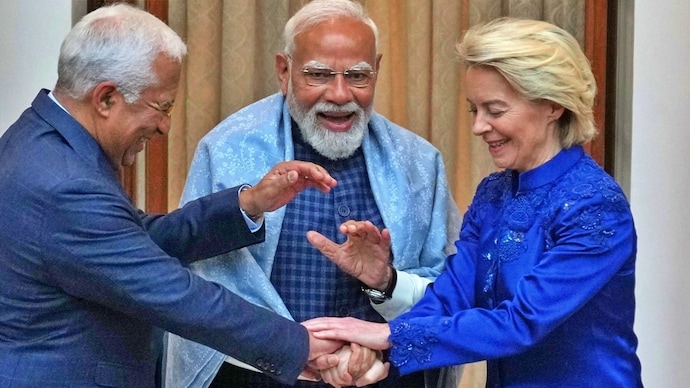
Credits: India Today
Why This Deal Matters
Beyond cheaper imports and expanded business access, the India–EU trade pact carries strong strategic significance. It positions India as a more open and reliable trade partner at a time when many economies are turning inward. It also strengthens economic ties with Europe as India balances its relationships with the US, China, and other global powers.
For consumers, the deal promises more choice and better prices. For businesses, it offers scale and opportunity. And for India’s economy, it marks a decisive step toward deeper integration with global trade — a move that could shape growth for decades to come.