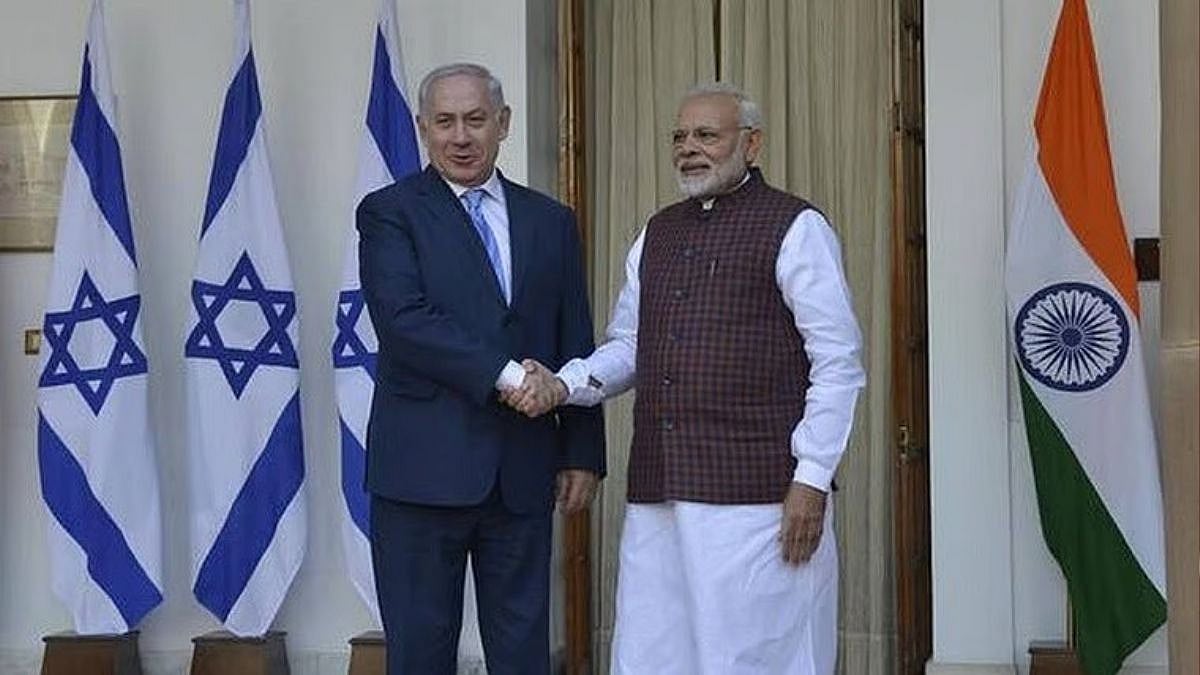
In a significant diplomatic development, India and Israel have upgraded their bilateral relationship to a “Special Strategic Partnership,” Prime Minister Narendra Modi announced during his two-day visit to Jerusalem.
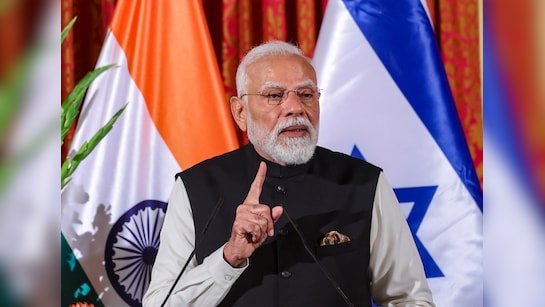
Addressing a press briefing on Thursday, Modi said the enhanced partnership will focus on peace, innovation, and prosperity, marking a new phase in the already strong ties between the two nations.
Credits: The Free Press Journal
Fast-Tracking the India–Israel Free Trade Agreement
One of the key announcements during the visit was the decision to accelerate negotiations for a Free Trade Agreement (FTA).
An Israeli delegation is currently in India conducting the first round of FTA negotiations. India’s Foreign Secretary Vikram Misri confirmed that both countries have also agreed to launch a bilateral financial dialogue, aimed at strengthening economic cooperation and investment flows.
The FTA, once finalised, is expected to boost:
-
Bilateral trade volumes
-
Technology exchange
-
Startup and innovation partnerships
-
Cross-border investments
India and Israel already share robust trade ties, especially in defence, agriculture, water technology, and high-tech sectors. The proposed agreement could unlock even deeper economic integration.
Focus on Critical & Emerging Technologies
Technology formed the core of Modi’s visit. Through his X (formerly Twitter) account, the Prime Minister announced a new collaboration framework in critical and emerging technologies, led by the National Security Advisors of both countries.
The partnership will fast-track cooperation in:
-
Artificial Intelligence (AI)
-
Quantum technologies
-
Critical minerals
-
Cyber security
This move aligns with India’s strategic push to strengthen supply chains for critical minerals such as lithium and rare earth elements—materials essential for semiconductors, EV batteries, and advanced electronics.
Given China’s dominance in rare earth processing and semiconductor equipment manufacturing, India’s collaboration with Israel signals a strategic diversification effort in high-tech supply chains.
UPI to Be Launched in Israel
In another notable development, Modi expressed satisfaction over an agreement allowing India’s Unified Payments Interface (UPI) to operate in Israel.
The introduction of UPI is expected to:
-
Facilitate smoother transactions for Indian tourists and businesses
-
Promote fintech collaboration
-
Strengthen digital financial connectivity
India has been expanding UPI globally as part of its broader fintech diplomacy strategy.
High-Level Talks and 16 Agreements Signed
Modi held delegation-level talks with Israeli Prime Minister Benjamin Netanyahu in Jerusalem. Following the discussions, the two countries signed 16 agreements spanning economic, security, and diplomatic cooperation.
While full details of the Memorandums of Understanding (MoUs) are awaited, officials indicated they cover areas such as:
-
Innovation ecosystems
-
Defence cooperation
-
Technology transfer
-
Education partnerships
-
Connectivity
On the final day of his visit, Modi also met Israeli President Isaac Herzog, where discussions centered on enhancing collaboration in education, start-ups, innovation, and connectivity.
A Strategic Upgrade in a Changing Global Order
This is Modi’s second visit to Israel as Prime Minister, and the timing reflects shifting global dynamics. With geopolitical tensions reshaping global trade routes and technology alliances, India is seeking trusted partners in advanced innovation sectors.
Israel, known as the “Startup Nation,” brings strengths in cybersecurity, AI research, water technology, and defence innovation—areas that align closely with India’s development and security priorities.
The elevation to a Special Strategic Partnership signals not just symbolic diplomacy, but a structured, long-term collaboration across defence, economy, and next-generation technologies.
As both countries push ahead with the FTA negotiations and technology cooperation, the India–Israel relationship appears set to enter a deeper, more integrated phase—one defined by innovation-driven growth and strategic alignment.
Credits: NDTV Profit
Conclusion:
In elevating their ties to a Special Strategic Partnership, India and Israel have signalled a clear intent to move beyond traditional cooperation into a future defined by technology, trade, and strategic alignment. With fast-tracked FTA negotiations, collaboration in AI and quantum technologies, expanded defence ties, and the global rollout of UPI, the relationship is becoming more structured and forward-looking. As geopolitical uncertainties reshape global alliances, this upgraded partnership positions both nations to jointly drive innovation, strengthen supply-chain resilience, and deepen economic integration in the years ahead.