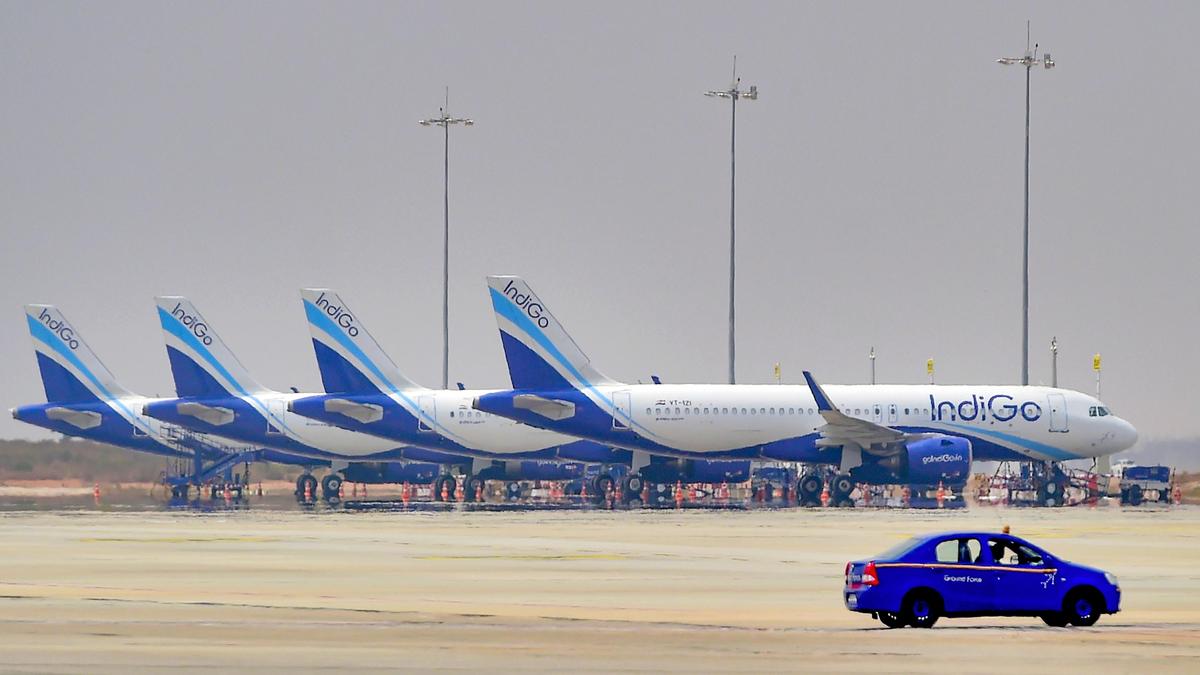
India’s aviation sector is witnessing a rare reshuffle of airport slots after IndiGo, the country’s largest airline, vacated more than 700 domestic slots following a regulatory clampdown by the Directorate General of Civil Aviation (DGCA). The move comes after massive operational disruptions in early December, which forced the aviation watchdog to slash IndiGo’s winter schedule by 10% — a decision that continues to ripple across the industry.
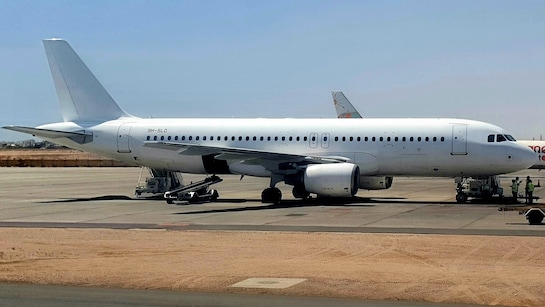
With the government now inviting rival airlines to take over the freed-up slots, the development has opened a brief but complex window of opportunity in India’s tightly controlled aviation ecosystem.
Credits: NDTV Profit
Why IndiGo Had to Vacate Slots
Slots are essentially time windows allocated to airlines for takeoff and landing at airports — and in India’s congested metro hubs, they are among the most valuable assets an airline can hold.
Following widespread flight cancellations and delays between December 3 and 5, the DGCA stepped in to rein in IndiGo’s operations. During those three days alone, the airline cancelled 2,507 flights and delayed 1,852 more, affecting over 3 lakh passengers nationwide.
The watchdog concluded that the chaos stemmed from mismanagement of flight crew, inadequate regulatory preparedness, software shortcomings, and weak operational control systems. To prevent further disruption, DGCA ordered a 10% reduction in IndiGo’s winter flight schedule, effectively forcing the airline to stop operating flights in several allocated slots.
The Numbers Behind the Slot Reduction
In total, 717 slots have been vacated by IndiGo across domestic airports between January and March. Of these, 364 slots come from six major metro airports — Delhi, Mumbai, Chennai, Kolkata, Bengaluru, and Hyderabad.
Among the metros, Hyderabad and Bengaluru account for the highest number of vacated slots, indicating the scale of adjustments IndiGo has had to make in its southern network.
The slot distribution also reveals an uneven pattern:
-
January: 361 slots vacated
-
February: 43 slots vacated
-
March: 361 slots vacated
This suggests that the airline front-loaded and back-loaded the capacity cuts, possibly to maintain operational stability during the peak travel months.
How Much Did IndiGo’s Operations Shrink?
Before the DGCA’s directive, IndiGo’s approved winter schedule for 2025–26 allowed it to operate 15,014 flights per week, or 2,144 flights per day.
The 10% cut brought daily domestic flights down to around 1,930 per day — a significant reduction for an airline that typically operates over 2,200 flights daily.
For comparison, IndiGo ran an average of 2,022 flights per day during the summer schedule, underscoring how sharply the regulator’s intervention has altered its operations.
Govt Invites Other Airlines — But Interest May Be Limited
On Thursday, the civil aviation ministry formally invited other airlines to submit requests to operate flights using the vacated IndiGo slots. A dedicated committee has already held its first meeting to determine the process and principles of redistribution.
However, industry executives are sceptical about how many airlines will actually step in.
One key issue is timing. The slots are available only until the end of March, after which they may revert to IndiGo. “No airline can plan a new network or open a sector for just one month,” said one senior industry executive.
Another deterrent: many of the vacated slots are red-eye slots — late-night or early-morning departures that are less commercially attractive for most carriers.
Conditions and Constraints for Interested Airlines
The ministry has also imposed conditions on airlines interested in the slots. They cannot discontinue existing routes to utilise the vacated ones, and requests must be submitted to the respective airport operators for approval.
This further narrows the pool of potential applicants, especially at congested metro airports where operational flexibility is already limited.
Credits: The Hindu
DGCA’s Tough Message to IndiGo
The slot reduction is part of a broader regulatory crackdown. On January 17, DGCA imposed fines totalling ₹22.20 crore on IndiGo and issued warnings to CEO Pieter Elbers and two other senior executives.
The airline was also asked to furnish a ₹50 crore bank guarantee to ensure long-term systemic corrections — a rare and stern measure aimed at preventing repeat disruptions.
A Temporary Opening, A Long-Term Lesson
While the vacated slots create a temporary opening for rival airlines, the episode is a strong reminder of how operational discipline and regulatory compliance are non-negotiable in India’s fast-growing aviation market.
For IndiGo, the challenge now is not just reclaiming its slots after March, but rebuilding confidence — among passengers, regulators, and the industry — that the systems powering India’s biggest airline can keep pace with its scale.