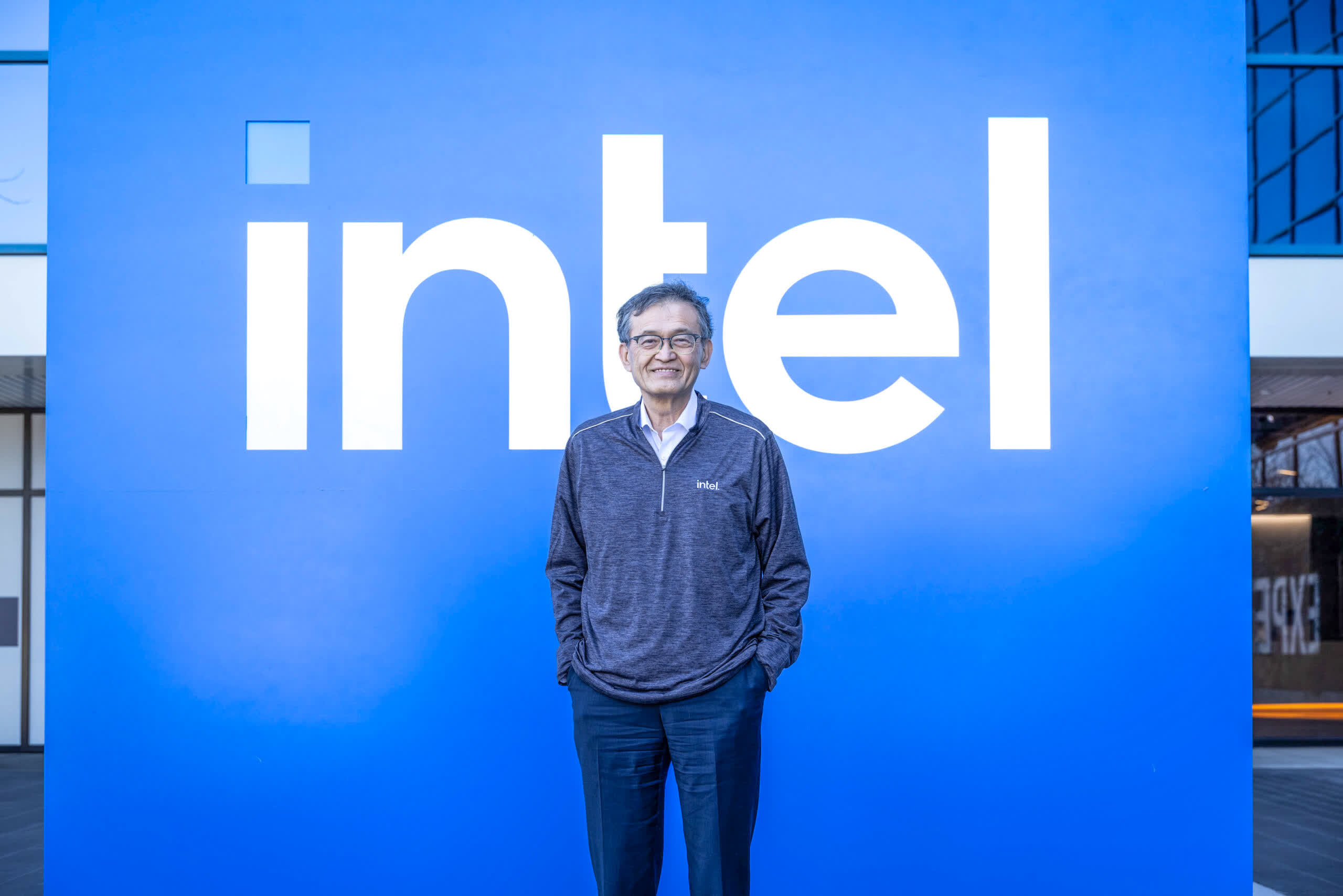
The new CEO of Intel, Lip-Bu Tan, has delivered a sobering assessment of the company’s current position, admitting that the once-dominant chipmaker is no longer among the top 10 semiconductor companies globally. The revelation came during a leaked internal Q&A session with employees worldwide, marking a dramatic fall from grace for the American tech giant.
“Twenty, 30 years ago, we were really the leader. Now I think the world has changed. We are not in the top 10 semiconductor companies,” Tan reportedly told staff, according to OregonTech. The statement represents a stark contrast to Intel’s heyday, when it essentially monopolized the CPU market and held such dominance that it once considered acquiring Nvidia for $20 billion. Today, Nvidia is worth $4 trillion.
Why Intel is Losing Ground?
Intel’s decline stems from multiple strategic missteps across different fronts. The company’s attempt to modernize x86 architecture with a hybrid big.LITTLE design, similar to ARM’s approach, failed to generate meaningful market share gains. The situation worsened with the Arrow Lake chips, which barely registered against AMD’s competitive lineup.
The GPU division hasn’t fared much better. Intel’s graphics card efforts arrived late to market with an undercooked product that, while showing some promise, couldn’t challenge industry leaders like Nvidia and AMD. This timing couldn’t have been worse, as artificial intelligence applications began driving massive demand for high-performance GPUs.
AMD has emerged as Intel’s most formidable competitor, with more people now choosing AMD systems than ever before. Beyond desktop computers, AMD powers popular gaming handhelds like the Steam Deck and ROG Ally X, plus major gaming consoles including Xbox Series and PlayStation 5. AMD’s partnership with TSMC for chip manufacturing has proven particularly effective, highlighting another area where Intel struggled.
Intel’s traditional strength, manufacturing its own chips through vertical integration, has become a liability. The company’s fabrication nodes haven’t kept pace with Taiwan’s TSMC, arguably holding back Intel processors from reaching their full potential.
Starting in 2023, Intel began outsourcing GPU tiles for Meteor Lake chips to TSMC, a partnership that expanded to include entire compute tiles for Lunar Lake.
The New Intel: Outsourcing, Layoffs, and a Push for Edge AI Dominance
By 2025, roughly 30% of Intel’s fabrication has been outsourced to TSMC, a significant admission that the company’s own foundry was the limiting factor. This shift represents a fundamental change in Intel’s business model, moving away from the integrated approach that once defined the company.
The financial impact has been severe. Intel reported a $16 billion loss in Q3 of last year, prompting thousands of layoffs worldwide as the company attempts to cut costs. High R&D spending for future manufacturing nodes has driven expenses up while revenues declined.
Tan describes Intel’s recovery as a “marathon” effort focused on changing company culture and being “humble” in listening to industry demands. The goal is to become more like AMD and Nvidia—faster, more agile, and more ruthless competitors, especially in the AI era.
Recognizing it’s “too late” to compete in AI training against Nvidia’s dominance, Intel plans to focus on edge AI, bringing artificial intelligence processing directly to devices like PCs rather than relying on cloud-based computing. Tan also highlighted agentic AI, where systems operate autonomously without constant human input, as a key growth area.
The CEO has been making high-level hires to help steer Intel back to relevance in AI, with more talent acquisitions planned. “Stay tuned. A few more people are coming on board,” Tan said.
Struggling with Data Centers and Eyeing a Fabless Future
Intel’s struggles extend beyond consumer chips to data center CPUs, where AMD’s EPYC lineup has gained significant ground. The company is also exploring splitting into separate divisions, potentially creating an independent foundry subsidiary while making the main Intel business fabless, similar to how AMD, Apple, and Nvidia operate.
With Intel’s proposed 18A manufacturing process still a year away, the company faces a critical period. Whether Tan’s streamlined vision and strategic pivots can restore Intel’s competitive position remains to be seen, but the admission of current weaknesses marks an important first step in what promises to be a long journey back to relevance.