Hundreds of press releases related to those who were indicted in connection with the January 6, 2021 storming of the Capitol building have been taken off the Justice Department’s website. This happened last Friday, as the department confirmed, citing it as an attempt to undo the politicization of the office during the administration of President Joe Biden.
This situation became known due to recent media reports that indicated a disappearance of news releases on people involved in Jan. 6 events from the Justice Department website. However, the department didn’t hide anything; it openly commented on the issue via X.
“Nothing ‘quiet’ about it,” the account wrote in response to criticism over the removals.
The post said the department was “proud to reverse the DOJ’s weaponization under the Biden administration.” It added that officials plan to help people they believe faced unfair treatment for political reasons. That effort, the post said, includes removing what it called “partisan propaganda” from the department’s website.
Controversy Grows Over Administration’s Jan. 6 Policy Shifts and Proposed Compensation Fund
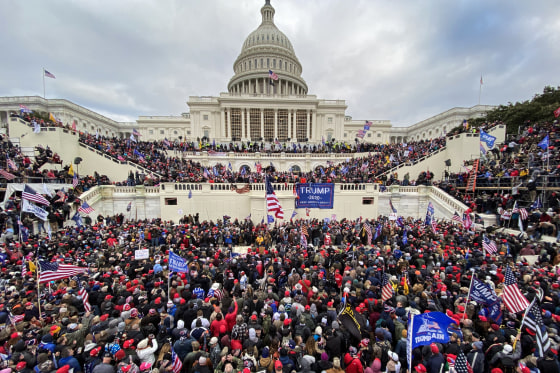
The deleted releases covered hundreds of defendants linked to the attack on the U.S. Capitol on Jan. 6, 2021. That event disrupted the certification of the 2020 presidential election and led to one of the largest criminal investigations in Justice Department history.
The move marks another step in the Trump administration’s effort to reshape the public story around Jan. 6. Since returning to office, President Donald Trump has taken several actions that support people charged in the riot and challenge the earlier federal response.
On his first day back in office, Trump issued broad pardons for Jan. 6 rioters. Soon after, Justice Department staff and FBI agents tied to Jan. 6 investigations and prosecutions lost their jobs.
The administration also announced a new $1.8 billion “anti-weaponization” fund. The fund aims to compensate people who claim they suffered from what officials describe as government abuse or politically driven legal action.
The fund sparked sharp criticism after acting Attorney General Todd Blanche declined to rule out whether Jan. 6 defendants could receive payments.
Lawmakers from both parties pushed back.
Compensation Fund Faces Bipartisan Backlash and Multiple Legal Challenges
Sen. Dick Durbin, an Illinois Democrat, called the idea of compensating rioters “absurd and offensive” in a letter sent to Blanche. Republican Sen. Thom Tillis of North Carolina used even stronger language. He described the fund as a “payout pot for punks.”
The backlash has spread beyond Congress and into the courts.
On Friday, a former Jan. 6 prosecutor joined a law professor in filing a lawsuit against the administration. The suit argues that the fund creates a political test for compensation and leaves out people who claim they suffered unfair treatment from Republican officials.
On the same day, a legal challenge was also launched by Citizens for Responsibility and Ethics in Washington, an independent watch group focused on government operations. This group claimed that the compensation program does not have congressional approval, while it also noted differences between the fund and prior federal programs that aided victims of such situations.
There has also been another legal challenge, initiated by two police officers who acted in defense of the Capitol building when it was stormed on Jan. 6. They claim that the money could end up funding those involved in the violence witnessed on that day.
The legal challenges launched against the compensation program are another indication of the division that remains within the nation after what happened on Jan. 6 and since then.
The Political Struggle to Shape the Legacy of January 6
While defenders of the administration believe that the government abused its authority, targeting political opponents unfairly, critics of the administration accuse them of rewriting the history and undermining the accountability of the situation, along with considering rioters as victims.
The debate gained more attention after comments from Ed Martin, the former head of the Justice Department’s “weaponization” working group. Before leaving the role, Martin suggested that people charged over Jan. 6 could receive millions of dollars from the department.
The removal of the press releases may seem like a website change, but it carries larger political weight. Government websites serve as public records of federal actions and legal history. Removing material tied to one of the most watched criminal investigations in recent years raises questions about transparency, memory, and how future administrations shape the public record.
As lawsuits move forward and political pressure builds, the fight over Jan. 6 is shifting again from courtrooms and investigations to control over the official story itself.