The latest policy change of Kickstarter has reignited discussions surrounding the issue of control of creation and sales in the online environment.
The crowdfunding site, which previously supported games such as Divinity: Original Sin 2 and Kingdom Come: Deliverance, has quietly introduced an amendment to their policies concerning adult content.
his time, however, the amendments are extensive and cover a much broader range of content than before, such as “implied nudity,” “implied sex acts,” “female nipples/areolas,” “genitalia,” “anuses,” and “buttocks.”
The update appeared on Kickstarter’s rules page sometime around May 11, according to archived versions of the site. Before the change, the platform only blocked “pornographic content.” The new language is far more detailed and far more restrictive. It also bans categories such as “MILF/DILF” content and some forms of sexually “photo-realistic” art.
The sudden shift has left many creators confused. Some artists say they were warned months ago that stricter moderation was coming. According to comic artist and writer Mike Wolfer, Kickstarter started emailing creators in March 2026 about new reviews tied to adult projects.
The emails reportedly said that payment processor Stripe would carry out its own checks on NSFW campaigns and could shut projects down while they were live or even after funding had ended.
That detail has fueled claims that the real pressure is not coming from Kickstarter itself but from the companies that process online payments. Stripe has not publicly confirmed that it pushed for the new restrictions. Kickstarter has also stayed quiet. Still, the situation fits a growing pattern across the internet.
How Banking Giants and Kickstarter’s Pivot are Redrawing the Lines of Digital Art
Over the past few years, payment processors and banking partners have gained huge influence over online platforms. Sites that rely on companies like Stripe, Visa, and Mastercard must follow their rules or risk losing the ability to process transactions. For many platforms, that would be fatal.
The gaming industry already saw this happen in 2025. Both Steam and Itch.io removed large numbers of adult games after pressure from financial partners.
At the time, Australian activist group Collective Shout claimed credit for the crackdown. But many creators argued the larger issue was the growing power of payment companies to decide what kinds of art and entertainment can exist online.
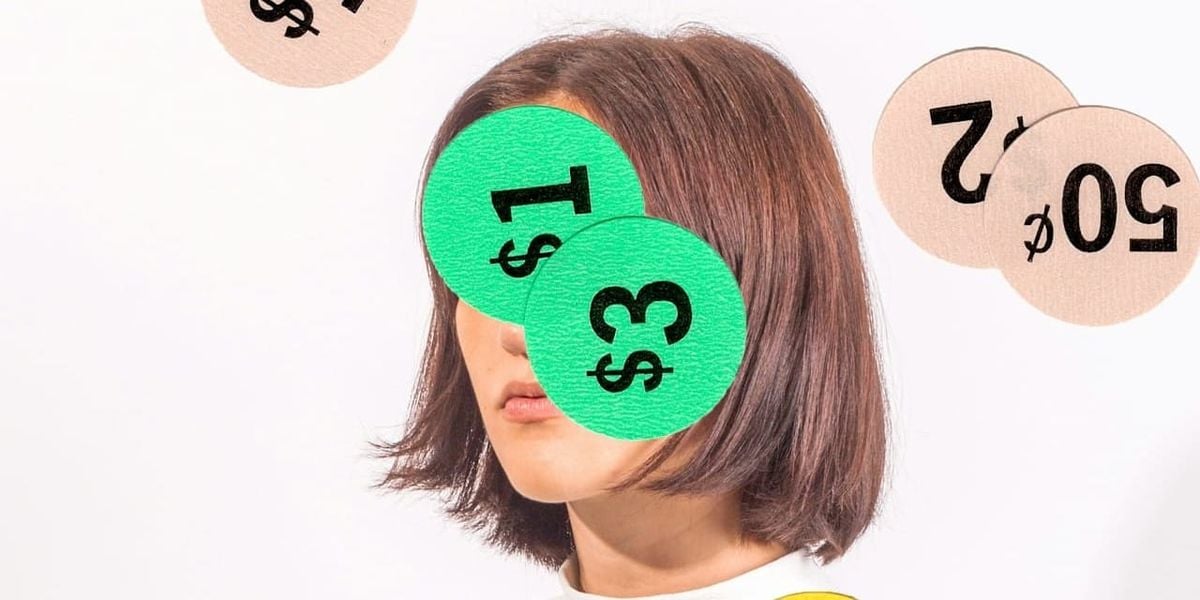
That concern now seems to be spreading beyond games and into crowdfunding. The timing makes Kickstarter’s move look even more abrupt because the company only launched its “Kickstarter After Dark” newsletter in September 2025.
The newsletter promoted adult-themed projects and highlighted creators working in erotic art and comics. Less than a year later, many of those same creators may no longer fit within the platform’s rules.
Critics say this kind of moderation creates unclear standards. The new rules ban some forms of nudity and sexual content, but the wording leaves room for interpretation. Terms like “implied nudity” can mean different things depending on the reviewer. Creators worry that projects could now face rejection without clear explanations.
How Payment Processors Are Redefining Creative Boundaries of Kickstarter?
Supporters of stricter rules argue that payment companies have legal and business reasons to avoid adult material. Financial firms often face pressure from regulators, advocacy groups, and banking networks. Many companies see adult content as a reputational risk, even when the material is legal.
Still, the bigger issue may be about control. Platforms like Kickstarter often present themselves as open spaces for creative work. But when payment processors step in, creators can find themselves blocked by rules they never agreed to and cannot appeal. In practice, the companies moving money around the internet may hold more power than the platforms themselves.
That power reaches far beyond adult content. Once payment processors begin deciding what is acceptable, critics fear the same system could affect political speech, controversial art, or other forms of expression that large corporations consider risky.
For now, Kickstarter creators are left trying to understand where the line has moved. And many are asking the same question: if payment companies can quietly reshape what people are allowed to fund, who is really running the modern internet?