Days after the Ministry of External Affairs (MEA) reiterated India’s resolve to bring back all economic offenders and fugitives, former Indian Premier League (IPL) chairman Lalit Modi found himself at the centre of a fresh controversy. On Monday, Modi issued a public apology following widespread backlash over a social media video featuring him alongside fugitive businessman Vijay Mallya in London.
The video, which quickly went viral, reignited public anger and raised questions about the audacity with which high-profile economic offenders continue to appear publicly overseas, seemingly beyond the reach of Indian law.
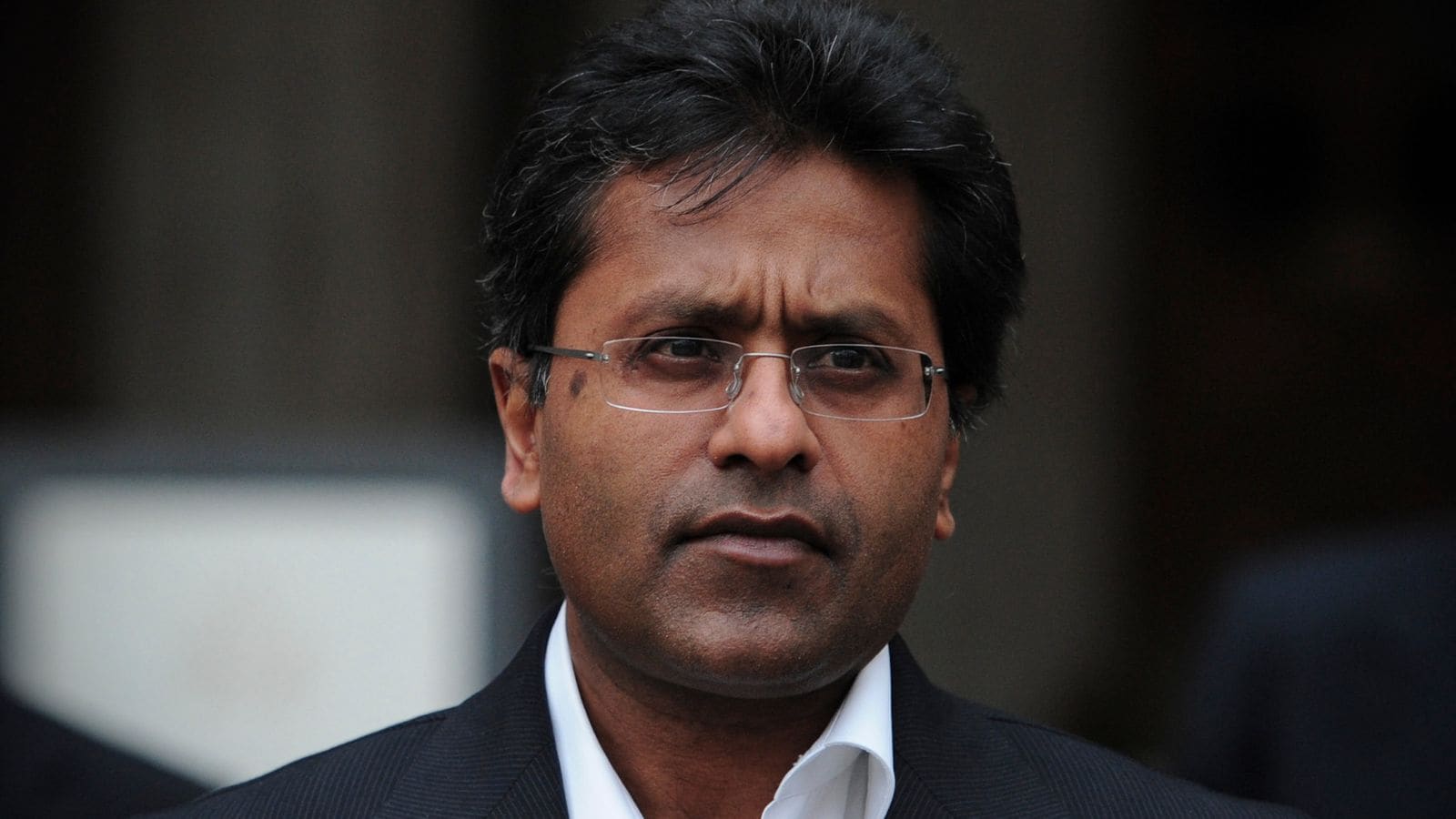
Credits: News 18
The Video That Triggered the Storm
The controversy erupted last week when Lalit Modi shared a short video on Instagram from what appeared to be Vijay Mallya’s birthday party in London. In the clip, Modi introduces himself and Mallya as “the two biggest fugitives of India,” a remark that instantly drew sharp criticism online.
Accompanying the video was a caption that read: “Let’s break the internet down in India again. Happy birthday my friend #VijayMallya. Love u.” The tone of both the video and the caption was widely perceived as flippant and mocking, particularly given the serious allegations and ongoing legal proceedings against both men in India.
Within hours, the clip was widely shared across platforms, with users accusing the duo of making a spectacle out of their fugitive status and showing open disregard for Indian authorities.
Strong Public Backlash and Political Reactions
Social media users reacted strongly, with many calling the video an insult to Indian taxpayers and institutions. Critics argued that the video trivialised years of legal battles, unpaid dues, and alleged financial wrongdoing. Several commentators also questioned how individuals facing serious charges could continue to live openly and host social gatherings abroad.
The timing of the video further intensified the backlash, coming shortly after the MEA publicly stated that India remains committed to bringing back all fugitives and economic offenders through diplomatic and legal channels.
Lalit Modi’s Apology on X
In response to the growing outrage, Lalit Modi took to X (formerly Twitter) on Monday to issue an apology. In his statement, he said he never intended to hurt anyone’s feelings, “especially those of the Indian government,” and expressed respect for the authorities.
Modi claimed that his remarks had been misunderstood and misrepresented. He added that the video and the statement were never meant to be taken in the way they were portrayed online and offered his “deepest apologies” to anyone who felt offended.
Notably, while Modi apologised for the sentiments conveyed, he stopped short of addressing the video itself or explaining why it was posted in the first place.
Silence on Vijay Mallya and Legal Issues
While the apology aimed to calm tempers, it did little to address the broader concerns raised by the video. Lalit Modi did not comment further on Vijay Mallya’s presence, the nature of the gathering, or the criticism surrounding their self-description as fugitives.
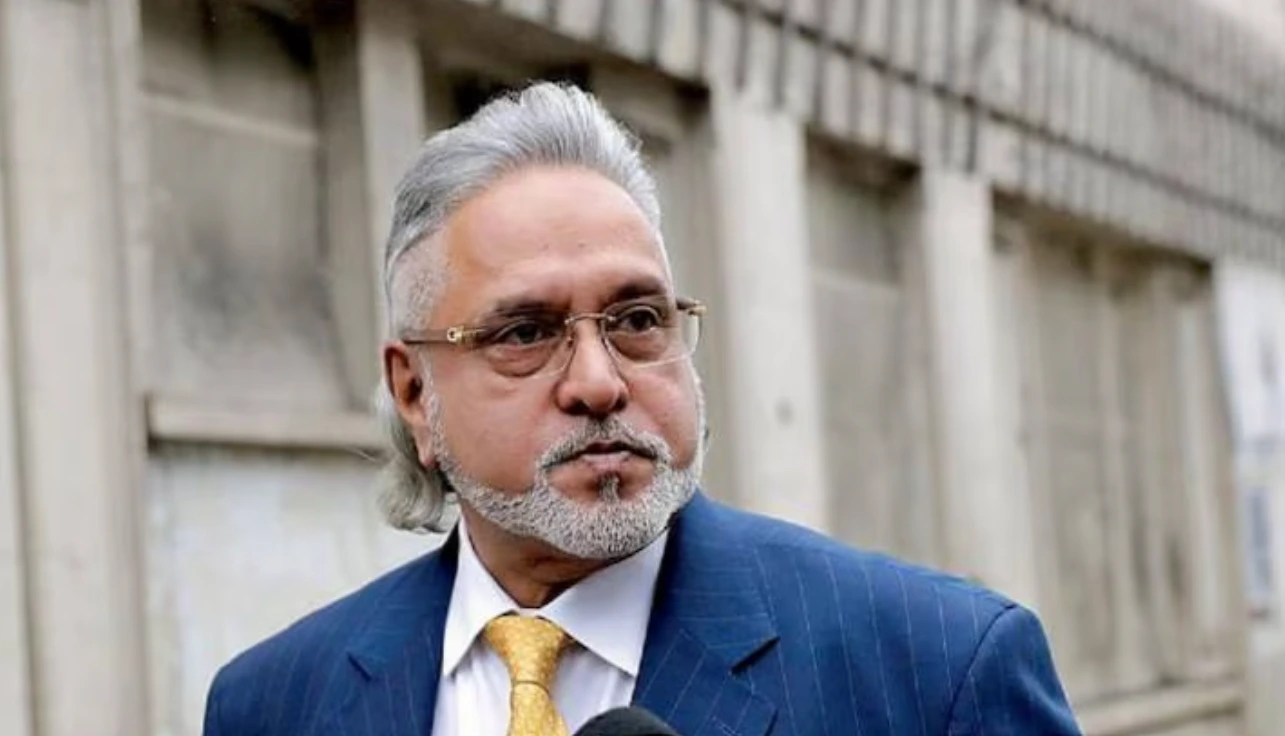
Vijay Mallya, who is facing extradition proceedings in the UK over alleged financial fraud and money laundering charges linked to the now-defunct Kingfisher Airlines, has remained largely silent on the matter. Lalit Modi, meanwhile, continues to contest charges related to alleged financial irregularities during his tenure at the IPL.
Renewed Focus on Fugitive Economic Offenders
The episode has once again brought the issue of fugitive economic offenders into sharp focus. Public frustration remains high over the prolonged legal processes and the perception that such individuals continue to enjoy comfortable lives abroad.
For many, the video symbolised not just provocation but also a reminder of unresolved cases that have lingered for years. While Lalit Modi’s apology may help ease immediate outrage, it has done little to quell broader demands for accountability and action.
As India reiterates its intent to pursue fugitives relentlessly, the controversy serves as a stark reminder of the gap between public expectations and the realities of international legal processes.