
Meta has appealed a landmark court verdict that found the company responsible for contributing to a young woman’s social media addiction and mental health struggles. The appeal marks the next stage in a closely watched legal battle that could shape thousands of similar lawsuits against social media companies.
The case was heard in Los Angeles County Superior Court, where a jury ruled that Meta designed Instagram and Facebook in ways that encouraged compulsive use among young users without giving enough attention to their well-being.
Meta challenges jury’s decision
A notice of appeal from lawyers working for Meta was filed in Los Angeles County Superior Court on Tuesday. It marks the beginning of the appeals process although the firm’s legal arguments are not expected until subsequent court proceedings.
The case arises from a decision of the jury to award $3 million to a 20-year-old woman referred to in court as KGM or her first name, Kaley. Another $3 million worth of punitive damages were recommended by the jury.
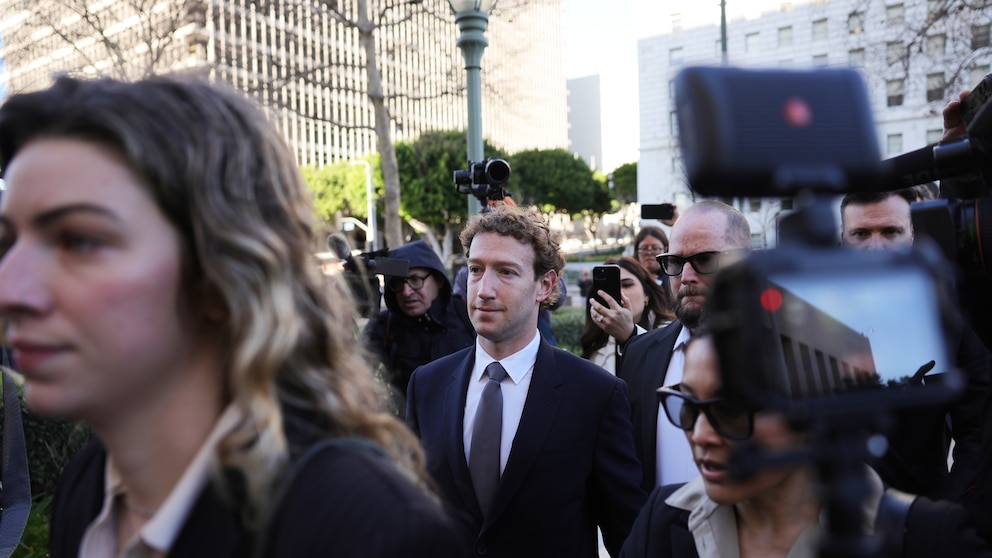
According to Meta, this ruling must not be allowed to stand. In March, after losing the case, the company issued a statement claiming that teenage mental health is an issue that cannot be linked to one social networking site.
The lawsuit focused on platform design
According to Kaley, her addiction to social media began during childhood. The complaint states that such addiction played a significant role in deteriorating Kaley’s mental well-being.
Rather than looking into user-generated content on the platform, the case looked into the design of the platform. The lawyers representing the plaintiff asserted that certain features like the infinite scrolling and autoplay encouraged the users to stay active on the social media platform for hours.
It was agreed that the design of the social media platform of Meta and YouTube played a significant role in harming Kaley.
This particular legal strategy is essential as the technology companies have legal immunity to any form of user-generated content as per the Section 230 of the Communications Decency Act of 1996. This legal strategy helped the plaintiffs circumvent a significant legal obstacle in bringing the social media platform into court.
YouTube also plans to appeal
The other defendant that was found liable was YouTube, which is owned by Google.
According to José Castañeda, a spokesman for Google, YouTube would be appealing against the ruling. “These are standard legal filings which permit the litigation to proceed to its next appropriate phase,” he commented.
Both Meta and Google have filed post-trial motions asking for the verdict to be thrown out or a new trial ordered before filing appeals.
Judge Carolyn B. Kuhl denied those motions in the beginning of June.
With that in mind, both companies are moving ahead to the appellate court.
Plaintiff’s legal team stands by the verdict
The lawyer of Kaley, Mark Lanier, noted that the team still feels optimistic about the appeal result.
They feel that the decision will be sustained by the appellate court when they look into the legal issues involved.
The whole process of appeal may take many months or even years to reach a final decision.
Meta faces growing legal pressure
The case from California is taking place as Meta faces lawsuits from various other states on the issue of harming children and teenagers through its platform.
Just one day before the decision from the California jury was made, another jury from New Mexico decided against Meta in a completely separate case filed against Meta by the prosecutors of the State.
In that case, the jury decided that Meta’s platforms caused harm to the mental health and safety of the children and fined the company by $375 million. Meta has also filed an appeal against the ruling.
After the rulings, the company stated that it will continue its defense while also maintaining that it had already taken measures for improving the safety of teenagers on the internet.
Why this case matters
This suit has been regarded as one of the first major instances where social media platforms have been held liable for the design of their platform rather than the user content they host.
Experts in the legal community think that the decision of the court may impact thousands of other similar cases currently pending before US courts.
Both TikTok and the parent company of Snapchat, which were defendants in this case, had settled confidentially even before the start of the trial, and the two plaintiffs remained to battle against Meta and YouTube.
In the coming appeals, it will be determined whether technology companies can be held accountable for the platform’s design that has been criticized as addictive for the young generation.
The ultimate decision of the courts may set an example for the entire social media industry.