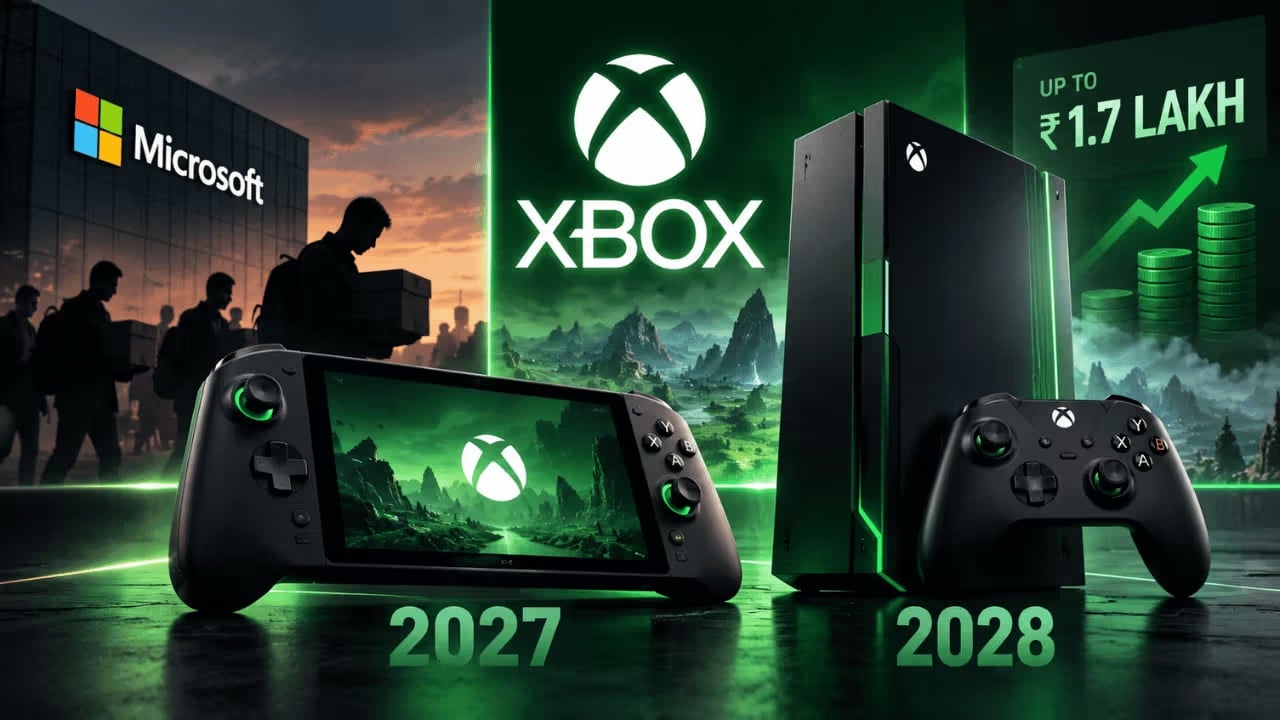
Microsoft is reportedly preparing for a major shift in its gaming hardware strategy, with its next-generation Xbox console, codenamed Project Helix, potentially launching in 2028 at a projected price of $1,200 to $1,800. The company is also reportedly developing its own gaming handheld, which could arrive during the 2027 holiday season as part of its broader push into portable gaming.
If the reported projections prove accurate, Project Helix could become one of the most expensive mainstream gaming consoles ever released. Its anticipated price would place it closer to high-end gaming PCs than traditional consoles, raising questions about affordability and Microsoft’s strategy for attracting players to its next-generation platform.
The reported plans come as the gaming industry faces rising hardware costs, growing demand for advanced computing components and increasing competition between consoles, PCs and handheld devices. Microsoft has yet to confirm the console’s final retail price or release date.
Project Helix Aims to Combine Xbox and PC Gaming
Microsoft unveiled Project Helix in March 2026, describing the upcoming system as a device designed to play both Xbox and PC games. The initiative represents a significant development in the company’s approach to gaming, potentially bringing console convenience and PC flexibility into a single platform.
Although complete specifications remain undisclosed, the system is expected to focus on high-performance gaming and broader compatibility across Microsoft’s gaming ecosystem. The company is working with AMD on next-generation hardware, continuing a partnership that has supported previous Xbox consoles.
Combining Xbox and PC gaming could give players greater flexibility when accessing games and digital libraries. It could also strengthen Microsoft’s position as gaming increasingly moves beyond traditional consoles toward cross-platform services and digital distribution.
However, the reported price range could make affordability a major concern. The Xbox Series X launched in 2020 at $499 in the United States. A Project Helix system priced between $1,200 and $1,800 would represent a substantial increase, potentially changing how consumers evaluate Microsoft’s hardware.
The final price will likely depend on the console’s specifications, manufacturing costs and Microsoft’s decision on whether to subsidise the hardware.

Rising Component Costs Could Influence Pricing
The reported price projections come amid increasing pressure on the global technology supply chain. Advanced processors, graphics hardware, memory and storage components can significantly affect the cost of manufacturing high-performance gaming systems.
Growing investment in artificial intelligence infrastructure has also increased demand for computing components, including certain types of memory and semiconductors. These pressures could make it more expensive for console manufacturers to deliver substantial performance improvements at traditional price points.
Microsoft may therefore face a difficult balancing act between offering premium specifications and maintaining a price that appeals to a broad audience.
If Project Helix launches near the upper end of the reported range, the company may need to position it as a premium gaming device with capabilities that justify its cost. Its ability to run both Xbox and PC games could become a key selling point.
Alternatively, Microsoft could offer different hardware configurations or pricing arrangements to reach more customers. Neither approach has been officially confirmed.
Xbox Handheld Could Arrive in 2027
Before Project Helix reaches consumers, Microsoft is reportedly planning to introduce a new Xbox handheld around the 2027 holiday season.
Portable gaming has become an increasingly important part of the industry, with devices such as the Steam Deck and Asus ROG Ally allowing players to access PC games without remaining tied to a desk. These products have created opportunities for manufacturers to expand beyond traditional home consoles.
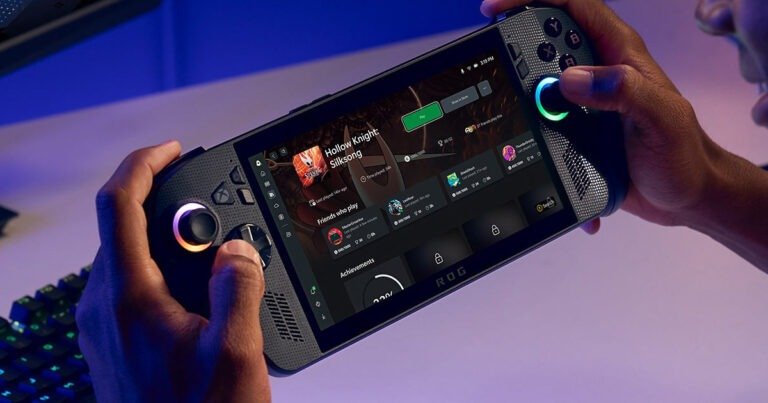
Microsoft has already entered the handheld market through its collaboration with Asus on the ROG Xbox Ally range. However, the reported upcoming device could represent a further step in the company’s efforts to establish a stronger presence in portable gaming.
Details about the handheld’s specifications, price and manufacturing arrangements remain unclear. It is also uncertain whether Microsoft will develop the hardware entirely in-house or work with an external manufacturing partner.
Software could play a crucial role in the device’s success. A streamlined interface designed specifically for handheld gaming could improve navigation, battery efficiency and access to Xbox services.
The company will also need to ensure that games run reliably across different hardware configurations if it wants the handheld to appeal to a broad audience.
Game Pass Could Become More Flexible
Microsoft’s hardware plans could also complement changes to Xbox Game Pass, its subscription-based gaming service.
The company has reportedly considered a more flexible subscription structure that would allow customers to choose different combinations of services, potentially including console gaming, cloud streaming and multiplayer access.
Such an approach could give players greater control over their spending while allowing Microsoft to tailor its offerings to different audiences.
A flexible subscription model could become particularly valuable if Project Helix carries a premium price. Customers unwilling to purchase expensive hardware could continue accessing selected Xbox services through other supported devices.
However, the details of any proposed subscription changes remain unconfirmed.
A New Direction for Xbox
Project Helix and the reported handheld plans suggest that Microsoft is exploring a broader gaming ecosystem built around consoles, PCs, portable devices and digital services.
The strategy could help the company reach customers with different budgets and gaming preferences. Yet the reported price of its next-generation console could also create challenges, particularly if consumers compare it with less expensive consoles or gaming PCs.
For now, the $1,200 to $1,800 estimate should be treated as a reported projection rather than a confirmed retail price. Microsoft has not announced final specifications, pricing or a definitive launch schedule for Project Helix.
If the reported timeline holds, a new handheld could arrive in late 2027, followed by Project Helix in 2028. The success of this strategy will depend on performance, software compatibility, pricing and the value Microsoft delivers to players across its gaming platforms.
Tighten repetitive pricing caveatsClarify confirmed versus speculative details