• Send Us A Tip
  • Calling all Tech Writers
  • Advertise
Sunday, June 21, 2026
  • Login
TechStory
  • News
  • Crypto
  • Gadgets
  • Memes
  • Gaming
  • Cars
  • AI
  • Startups
  • Markets
  • How to
No Result
View All Result
  • News
  • Crypto
  • Gadgets
  • Memes
  • Gaming
  • Cars
  • AI
  • Startups
  • Markets
  • How to
No Result
View All Result
TechStory
No Result
View All Result
Home Business

Microsoft’s Quiet Shift Ends Phone Activation, Leaving Offline Windows Users With Fewer Options

by Harikrishnan A
January 5, 2026
in Business, Markets, News, Tech, Trending, World
Reading Time: 3 mins read
0
Microsoft Confident that it’s Upcoming ARM based systems will outshine M3 MacBook in CPU and AI performance
TwitterWhatsappLinkedin

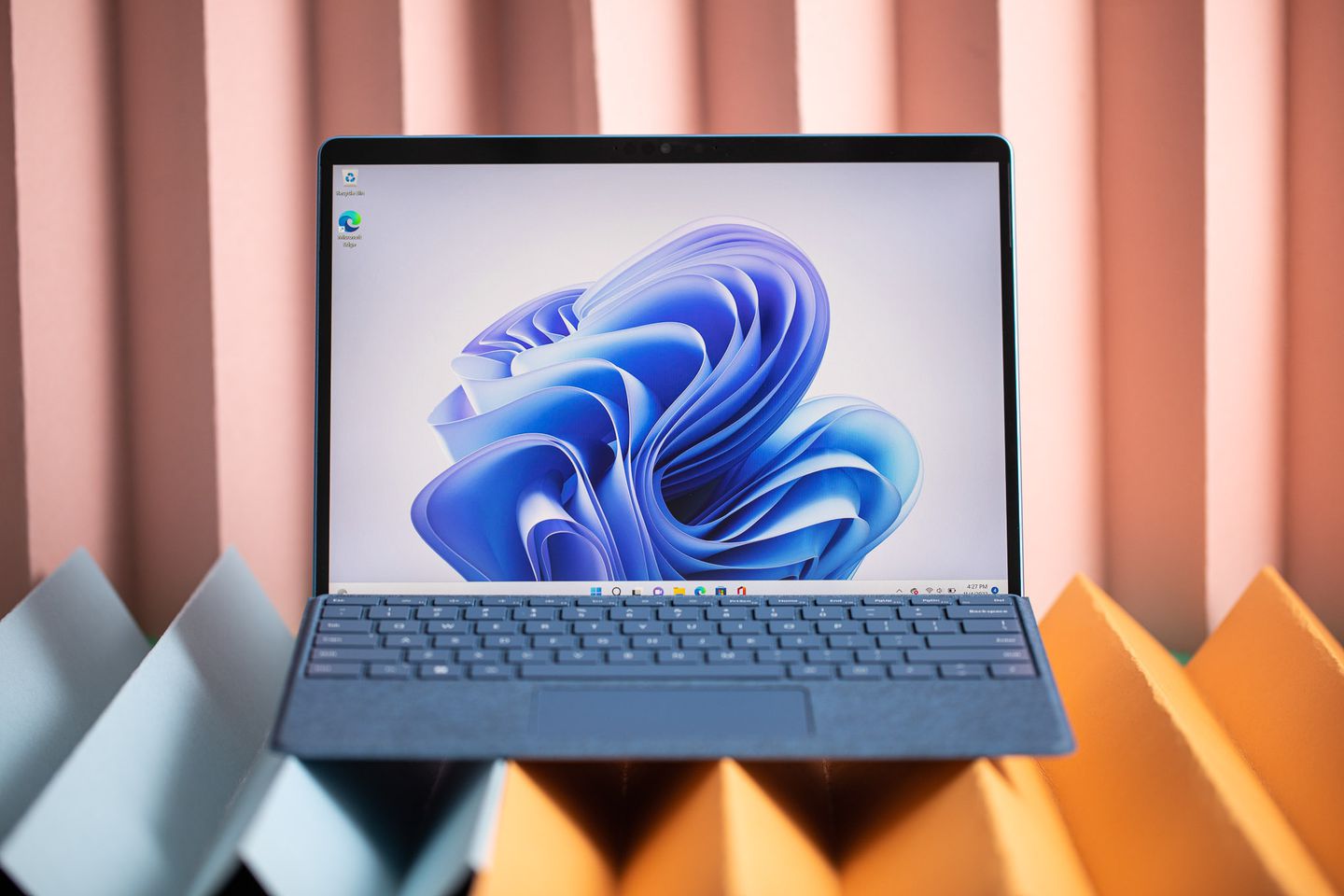
Microsoft has quietly taken another step toward an entirely online ecosystem, effectively ending phone-based activation for Windows and Office products. While the company has not made a formal announcement, recent user experiences suggest that calling Microsoft to activate software—a long-standing fallback for offline systems—no longer works in the way it once did. Instead, users are being redirected to online tools that require internet access and a Microsoft account, even when working with legacy operating systems.

You might also like

How to Increase Gas Mileage: Small Driving Changes That Save Big at the Pump

Paradigms of Luminance and Chemistry The Definitive OLED vs Mini LED Display Audit

Next-Generation Wireless The Architectural Breakthrough of Wi-Fi 7 Explained

The change came to light after YouTuber Ben Kleinberg documented his attempt to activate Windows 7 and Office 2010 using the traditional phone activation method. His experience highlights how Microsoft’s licensing systems have evolved in ways that increasingly exclude offline workflows, particularly for users running older versions of Windows.

Phone Activation Was Once a Critical Fallback

For decades, phone activation served as a reliable alternative when online activation failed or was unavailable. Users could call a Microsoft-provided number, enter a series of digits displayed on their screen, and receive a confirmation code to complete activation without ever connecting to the internet. This process was especially important for older computers, restricted corporate environments, and regions with limited connectivity.

Despite its age, phone activation remained relevant for legacy operating systems like Windows 7, where Microsoft’s original online activation servers have largely been retired. Many users reasonably assumed that phone activation still existed precisely to support these scenarios.

Adding to the confusion, Microsoft continues to list phone activation as a valid option in its official support documentation, reinforcing the belief that it remains functional.

Attempting to Activate Windows 7 Reveals the Reality

Kleinberg’s attempt to activate Windows 7 stemmed from a common issue: the operating system could not activate itself online because the necessary servers are no longer fully operational. The system was using an OEM license key, which historically could still be activated by phone even when online activation failed.

However, when Kleinberg called the activation number provided by Microsoft, the process no longer followed the familiar path. Instead of receiving a confirmation code through the automated phone system, the call ended with instructions pointing users to an online activation portal.

Shortly afterward, a text message arrived containing a link to Microsoft’s modern Product Activation Portal, signaling a fundamental shift in how the company now handles license verification.

A Web Portal Replaces the Phone Call

The activation portal introduced an immediate contradiction. Rather than allowing offline completion, the website required a full internet connection and a Microsoft account login. This requirement effectively eliminates the core advantage phone activation once offered.

For users who deliberately avoid Microsoft accounts—often due to privacy concerns, system compatibility issues, or personal preference—this new process represents a loss of control. What was once a standalone, offline solution has become another gateway into Microsoft’s account-driven ecosystem.

Kleinberg also encountered a temporary technical issue when accessing the portal from a mobile device using one browser. Switching browsers resolved the problem, suggesting the issue was related to browser compatibility rather than the device itself. Eventually, he was able to obtain the necessary confirmation ID and successfully activate both Windows 7 and Office 2010.

Activation Still Works, But the Rules Have Changed

While the activation process can still be completed, the experience makes it clear that phone activation in its traditional form is effectively over. The phone system no longer performs activation on its own and instead acts as a redirect to Microsoft’s online infrastructure.

This makes the phone call itself largely unnecessary. Users who know about the activation portal can bypass calling entirely, provided they have internet access and a Microsoft account. The phone system now serves little practical purpose beyond informing users that activation has moved online.

For individuals maintaining older systems specifically because they operate offline, this represents a shrinking set of options. Activation may still be possible, but only by complying with modern requirements that did not previously apply.

Part of a Larger Push Toward Online-Only Windows

The disappearance of phone activation aligns with a broader strategy Microsoft has been implementing for years. Recent versions of Windows 11 have increasingly restricted the use of local accounts, closing loopholes that allowed users to complete setup without signing in online. These changes reflect Microsoft’s push toward cloud-based services, centralized licensing, and account-linked software usage.

From Microsoft’s perspective, this approach simplifies product management and aligns with subscription services like Microsoft 365. For many users, however, it feels like a steady erosion of choice—particularly for those who value offline computing or run older hardware.

Concerns about mandatory account sign-ins are not limited to legacy systems. Even users of the latest Windows builds continue to express frustration over the lack of true offline options.

Support Documentation Fails to Reflect Current Reality

One of the most problematic aspects of this shift is the lack of updated documentation. By continuing to list phone activation as a supported method, Microsoft risks misleading users who depend on accurate guidance—especially IT professionals, system builders, and hobbyists working with older software.

The gap between official instructions and real-world behavior leads to wasted time and unnecessary troubleshooting. Clear communication would help users better understand what options still exist and which ones have quietly disappeared.

Tags: Legacy SoftwareMicrosoftMicrosoft AccountOffline ComputingPhone ActivationWindows 11Windows 7windows activationWindows Licensing
Tweet55SendShare15
Previous Post

Lucidean Raises $18 Mn Seed Funding to Redefine Optical Interconnects for AI Data Centers

Next Post

Russia Says It Has Moved Nuclear-Capable Oreshnik Missiles to Belarus, but Evidence Remains Unclear

Harikrishnan A

Aspiring writer. Enjoys gaming, fried chicken and iced tea, preferably all together.

Recommended For You

How to Increase Gas Mileage: Small Driving Changes That Save Big at the Pump

by Samir Gautam
June 21, 2026
0
Fuel prices may rise and fall, but one thing stays constant: drivers want to make every litre go further. The good news is that improving gas mileage does not always require buying a new hybrid or changing cars altogether. A few disciplined habits behind the wheel, along with basic maintenance, can make a noticeable difference over time. For most drivers, the biggest gains come from reducing waste. That means less aggressive acceleration, fewer unnecessary trips, correctly inflated tyres and a car that is mechanically healthy. Smooth Driving Uses Less Fuel The quickest way to burn more fuel is to drive as if every traffic light is a starting grid. Hard acceleration, sharp braking and sudden changes in speed force the engine to work harder and consume more petrol. A smoother approach works better. Accelerate gradually, maintain a steady speed where possible and look ahead to anticipate traffic. If a red light is visible in the distance, easing off the accelerator early is usually more efficient than rushing forward and braking hard at the last moment. Speed also matters. As speeds rise, aerodynamic drag increases and the engine needs more energy to keep the vehicle moving. On highways, staying within a sensible cruising range rather than constantly pushing at high speeds can help reduce fuel consumption. Check Tyre Pressure Regularly Tyres are easy to ignore until something goes wrong, but they play a major role in fuel economy. Under-inflated tyres create more rolling resistance, which means the engine has to use more fuel just to move the car forward. Drivers should check tyre pressure at least once a month, preferably when the tyres are cold. The correct pressure is usually listed on the driver-side door frame or in the owner’s manual. It is important not to use the maximum pressure printed on the tyre sidewall as a target. That figure is not necessarily the recommended setting for the vehicle. The US Environmental Protection Agency notes that under-inflation reduces fuel economy, increases tyre wear and adds to emissions. Stop Carrying Extra Weight A car is not a storage room. Heavy items in the boot may seem harmless, but extra weight makes the engine work harder, especially in city traffic where the vehicle is constantly stopping and starting. Clear out unnecessary tools, boxes, sports gear and other items that have been sitting in the car for weeks. Roof racks and cargo boxes can also hurt mileage by increasing aerodynamic drag. If they are not being used, remove them. This is especially relevant for drivers who spend most of their time on highways, where wind resistance becomes a bigger factor. Keep Up With Maintenance A well-maintained vehicle is usually a more fuel-efficient vehicle. Delayed oil changes, worn spark plugs, clogged air filters, dragging brakes and poor wheel alignment can all affect how efficiently a car runs. Following the manufacturer’s service schedule is the safest route. Use the recommended engine oil grade and get warning lights checked instead of ignoring them. A sudden drop in mileage can be an early sign that something needs attention. The EPA advises motorists to follow their vehicle maintenance schedule and use the recommended motor oil to support better fuel efficiency and safer operation. Combine Trips and Avoid Long Idling Short trips can be surprisingly fuel-hungry because the engine has not had enough time to reach its most efficient operating temperature. Combining errands into one planned route can reduce cold starts, unnecessary kilometres and fuel use. Idling is another quiet fuel drain. If you are waiting for an extended period, switching off the engine can be more sensible than leaving it running. Modern cars do not need long warm-up periods before driving. Start, settle for a few seconds and drive gently. The Bottom Line Better gas mileage is less about one miracle trick and more about consistent habits. Drive smoothly, maintain the right tyre pressure, remove excess weight and service the car on time. These small changes may not feel dramatic on a single trip, but over months of commuting, school runs and highway drives, they can add up to real savings.

Fuel prices may rise and fall, but one thing stays constant: drivers want to make every litre go further. The good news is that improving gas mileage does...

Read more

Paradigms of Luminance and Chemistry The Definitive OLED vs Mini LED Display Audit

by Anochie Esther
June 21, 2026
0
OLED vs Mini LED

The global display and consumer electronics sectors are locked in a historic technological civil war. For years, the gold standard of premium visual performance was dictated by a...

Read more

Next-Generation Wireless The Architectural Breakthrough of Wi-Fi 7 Explained

by Anochie Esther
June 21, 2026
0
Wi-Fi 7 Explained

The global networking landscape is entering a period of massive data scaling. For years, consumer and enterprise spaces managed their growing hardware ecosystems by relying on iterative upgrades...

Read more
Next Post
Russia Says It Has Moved Nuclear-Capable Oreshnik Missiles to Belarus, but Evidence Remains Unclear

Russia Says It Has Moved Nuclear-Capable Oreshnik Missiles to Belarus, but Evidence Remains Unclear

Please login to join discussion

Techstory

Tech and Business News from around the world. Follow along for latest in the world of Tech, AI, Crypto, EVs, Business Personalities and more.
reach us at info@techstory.in

Advertise With Us

Reach out at - info@techstory.in

Aviator Game India 2026

BROWSE BY TAG

#Crypto #howto 2024 acquisition AI amazon Apple Artificial Intelligence bitcoin Business China cryptocurrency e-commerce electric vehicles Elon Musk Ethereum facebook funding Gaming Google India Instagram Investment ios iPhone IPO Market Markets Meta Microsoft News OpenAI samsung Social Media SpaceX startup startups tech technology Tesla TikTok trend trending twitter US

© 2025 Techstory.in

No Result
View All Result
  • News
  • Crypto
  • Gadgets
  • Memes
  • Gaming
  • Cars
  • AI
  • Startups
  • Markets
  • How to

© 2025 Techstory.in

Welcome Back!

Login to your account below

Forgotten Password?

Retrieve your password

Please enter your username or email address to reset your password.

Log In
Are you sure want to unlock this post?
Unlock left : 0
Are you sure want to cancel subscription?