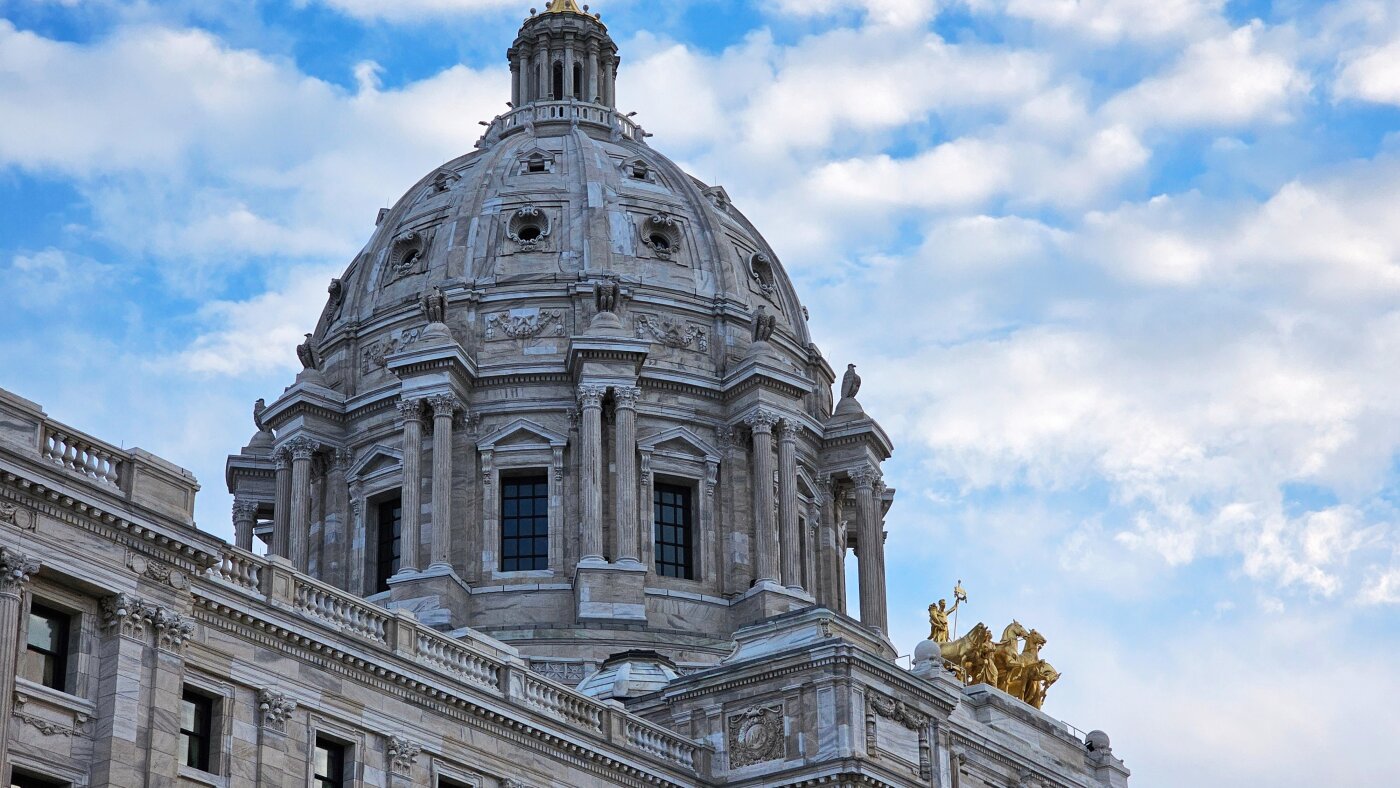
It looks like Minnesota is making a huge move in this regard. It has passed an act which forbids prediction betting websites from continuing to operate in the state. This will definitely cause conflict between the governor and the Trump administration, seeing that the latter believes that prediction betting websites should be regulated by the federal government.
Predictive betting involves placing bets on any future event. One may choose to place a bet on their favorite game, political events, international events, sporting events, entertainment events, or even the words that the speaker will say in their speech. Websites such as Kalshi and Polymarket have been instrumental in popularizing this type of gambling.
The new bill passed in Minnesota is unprecedented in the country. All websites where betting on future events takes place as well as all mechanisms that users employ to circumvent the new rule will be banned by the new bill. The bill clearly defines predictive betting.
Companies such as Kalshi and Polymarket that continue to conduct business in the state after the enactment of the new rules are bound to get themselves into trouble.
Minnesota’s Sports and Prediction Market Ban Sparks Federal Lawsuit
Advocates of the bill contend that individual states should make decisions about gambling laws. According to Emma Greenman, the Minnesota legislator who introduced the bill, states require the ability to safeguard consumer rights, ensure public safety, and protect children. Although the state of Minnesota permits tribal casinos, online gambling and sports betting are outlawed in Minnesota.
There are exceptions in the bill. These include financial instruments that hedge against losses or damage to life. Also protected under the legislation are the transactions of securities and commodities. A recent amendment has added exemptions for weather trading due to pressure from farming communities. Farmers have been utilizing weather-based derivatives to hedge risks associated with adverse weather conditions.
From the federal perspective, matters are quite different. The US government believes that prediction market instruments fall under its purview. This means that any legislation prohibiting such products is unconstitutional since they are approved by the Commodity Futures Trading Commission.
CFTC Chairman Michael Selig criticized the Minnesota law. He argued that it threatens useful hedging tools and harms innovation. The lawsuit reflects a broader strategy by the Trump administration. The federal government has already filed suits against several states, including Arizona, Wisconsin, and New York, over attempts to limit prediction markets.
The battle goes beyond Minnesota. Lawmakers in at least 14 other states have introduced bills aimed at the industry. Hawaii and North Carolina are considering statewide bans.
The Minnesota Gambler’s Dilemma: Inside the Battle Over Prediction Markets
Yet legal pressure has not slowed growth. Prediction markets continue to expand. Experts say the companies have gained mainstream attention and built large user bases. Melinda Roth, a law professor who studies the field, says states are trying many legal tactics, but rolling back the industry may prove difficult.
The heart of the dispute is simple: Are prediction markets a form of financial trading, or are they gambling?
Prediction market companies argue they are closer to financial exchanges than casinos. Kalshi compares a ban on its platform to banning a stock exchange. The company says restrictions reduce competition and push activity to offshore platforms. Polymarket has made a similar argument, pointing to what it calls an established federal framework.
Critics are not convinced. They note that sports betting drives much of the activity on these platforms. On Kalshi, more than 85% of trading volume comes from sports-related contracts. Many trades resemble classic sports wagers, including parlays, where users bet on several outcomes at once.
A Turning Point for Prediction Markets: Regulators, Courts, and the Future of Online Bets
Some legal experts question whether bets on football games, celebrity appearances, or a president’s speech fit within the CFTC’s traditional role. The agency has long regulated commodities and financial derivatives, not entertainment or sports outcomes.
The debate also raises concerns about market behavior. Prediction markets now handle billions of dollars in weekly trades. With that scale come worries about insider trading and market manipulation. Critics fear that some users may try to influence real-world events to profit from their bets.
Minnesota’s ban marks a turning point in this fight. The courts will now play a key role in deciding who controls prediction markets: states enforcing gambling laws, or federal regulators treating these platforms as financial products.
The answer could shape the future of online betting, financial regulation, and digital markets across the United States.