Nvidia is facing growing scrutiny over allegations that its artificial intelligence hardware business may be contributing to shortages and rising prices in the gaming graphics card market. Multiple reports have raised concerns that major technology companies are stockpiling AI processors, potentially tying up semiconductor resources while gamers struggle with the availability and affordability of consumer graphics processing units (GPUs).
The allegations highlight a growing conflict between the demand for AI computing infrastructure and the consumer gaming market. Nvidia has become one of the biggest beneficiaries of the AI boom, supplying advanced processors to technology companies building massive data centers. However, the company’s expanding focus on AI has raised questions about production priorities and the availability of hardware for traditional gaming customers.
Although the claims suggest that Nvidia may have helped create artificial scarcity, the extent of its involvement remains unclear. Hardware stockpiling can result from legitimate procurement strategies, and the allegations do not independently establish that Nvidia deliberately engineered a gaming GPU shortage.
AI Boom Changes Nvidia’s Business Priorities
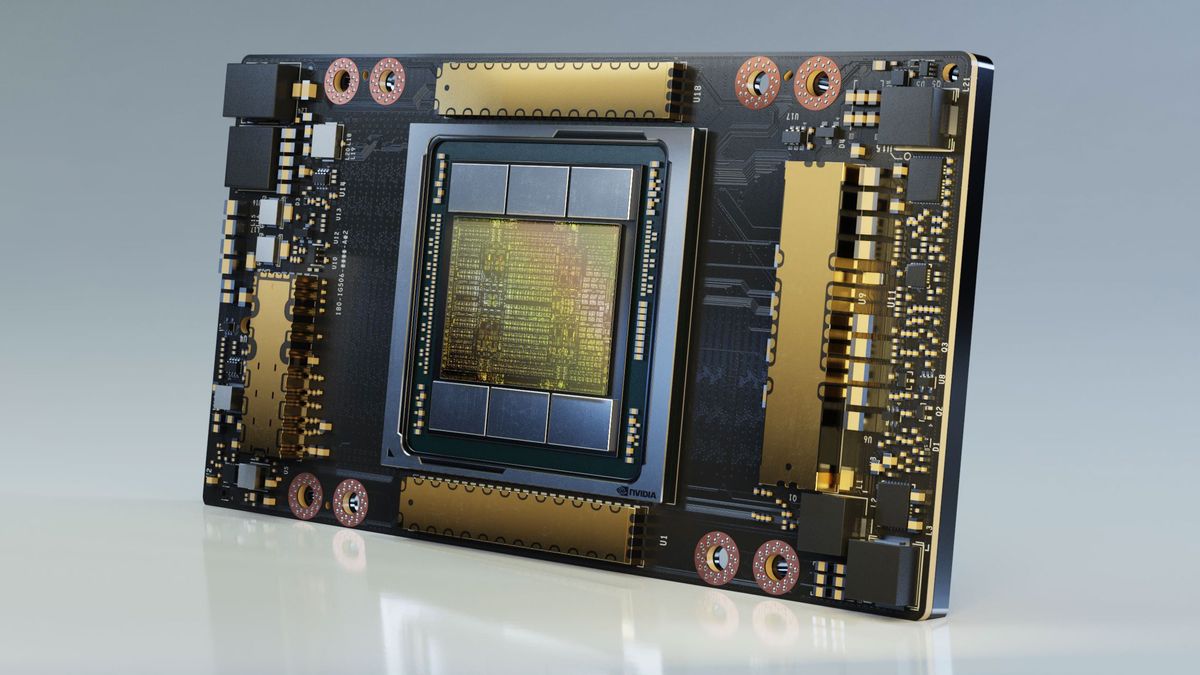
Nvidia’s transformation from a graphics card manufacturer into a major supplier of AI computing hardware has reshaped the semiconductor industry. Its GPUs are widely used to train and operate advanced AI models, including generative AI systems that require enormous computing resources.
Major technology companies have invested heavily in AI infrastructure, purchasing processors to support cloud computing, machine learning and enterprise applications. These investments have created substantial demand for Nvidia’s data center products, making AI computing a central part of its business.
The financial incentives are significant. Large enterprise customers frequently purchase hardware in bulk, while demand for AI infrastructure continues to expand across the technology sector. Consequently, Nvidia faces strong commercial incentives to prioritize the needs of these customers.

Gaming, meanwhile, remains an important part of the company’s operations. Its GeForce graphics cards serve PC gamers, content creators and enthusiasts seeking improved graphics performance. However, the enormous growth of the AI market has changed the relative importance of these customer segments.
Hardware Stockpiling Raises Questions
The central allegation is that major technology companies may be acquiring Nvidia’s AI hardware faster than they can deploy it, potentially contributing to supply constraints across the semiconductor industry.
Companies building AI data centers often purchase processors well before their facilities become fully operational. These projects require extensive preparation, including securing electricity, installing cooling systems, establishing networking infrastructure and preparing suitable buildings.
As a result, purchased processors may remain in inventory while companies complete their infrastructure projects. Such equipment is not necessarily unnecessary, as it may be reserved for future computing capacity.
However, concerns emerge when companies accumulate hardware beyond their immediate operational requirements. Excessive purchasing could tie up capital, create inventory imbalances and complicate efforts to allocate manufacturing resources efficiently.
The allegations raise questions about whether Nvidia has encouraged purchasing practices that contribute to unnecessary accumulation. Establishing that would require evidence about customer agreements, inventory levels and the company’s sales strategies.
Why Gaming GPUs Could Be Affected
The gaming GPU market operates within a semiconductor ecosystem that also serves AI and enterprise computing. Although gaming graphics cards and AI accelerators are different products, they can depend on overlapping manufacturing capabilities, advanced packaging technologies and other specialized components.
When demand for AI hardware rises sharply, semiconductor manufacturers may face pressure to expand production while managing competing requirements. Increasing manufacturing capacity takes time, meaning supply may not immediately respond to higher demand.
These pressures can affect consumer hardware availability and pricing, although the extent varies by product and manufacturing process.
For gamers, the consequences can be frustrating. Modern graphics cards are already expensive, and limited availability can make upgrading a gaming PC more difficult. Consumers may also face uncertainty about when newer models will become widely available at competitive prices.
Nevertheless, AI hardware demand is not the only factor influencing gaming GPU prices. Manufacturing costs, memory prices, product launches, distribution strategies and consumer demand also play important roles.
Big Tech’s Growing Appetite for AI Computing
Technology companies are racing to develop increasingly capable AI systems, creating incentives to secure computing hardware before competitors do. Businesses may place large orders to protect themselves against future shortages or ensure that planned data centers can operate on schedule.
This purchasing behavior can create a cycle in which expectations of future demand encourage additional orders, even when deployment timelines remain uncertain.
If companies acquire more processors than they can effectively use, the industry could experience a mismatch between installed computing capacity and actual demand. Such a situation could eventually affect investment decisions and hardware purchasing strategies.
However, distinguishing between strategic stockpiling and genuinely unnecessary purchases requires detailed information about deployment plans and processor utilization.
Nvidia Faces Questions About Market Priorities
The allegations could intensify scrutiny of Nvidia’s role in balancing demand from AI companies with the needs of gaming customers. As its influence over the semiconductor industry grows, investors and consumers may increasingly examine how the company manages production commitments and customer relationships.
For Nvidia, AI represents a major commercial opportunity, but maintaining a competitive gaming business remains important. Gaming customers have supported the company’s graphics technology for decades, and consumer demand continues to influence its broader product ecosystem.
The company must navigate a market in which enterprise customers can make enormous purchases while individual gamers remain sensitive to price increases.
Conclusion
The allegations that Nvidia contributed to the gaming GPU crisis by encouraging major technology companies to stockpile AI hardware highlight the growing tension between AI infrastructure spending and consumer graphics card availability.
While AI demand has transformed Nvidia’s business, claims that the company deliberately manufactured a shortage remain unproven. Hardware accumulation may reflect legitimate infrastructure planning, although excessive stockpiling could create inefficiencies across the semiconductor supply chain.
Ultimately, the impact on gamers will depend on manufacturing capacity, component availability, pricing strategies and the sustainability of AI hardware demand. Greater transparency around inventory levels and purchasing practices could help clarify whether the current pressures reflect temporary supply constraints or deeper structural problems in the GPU market.