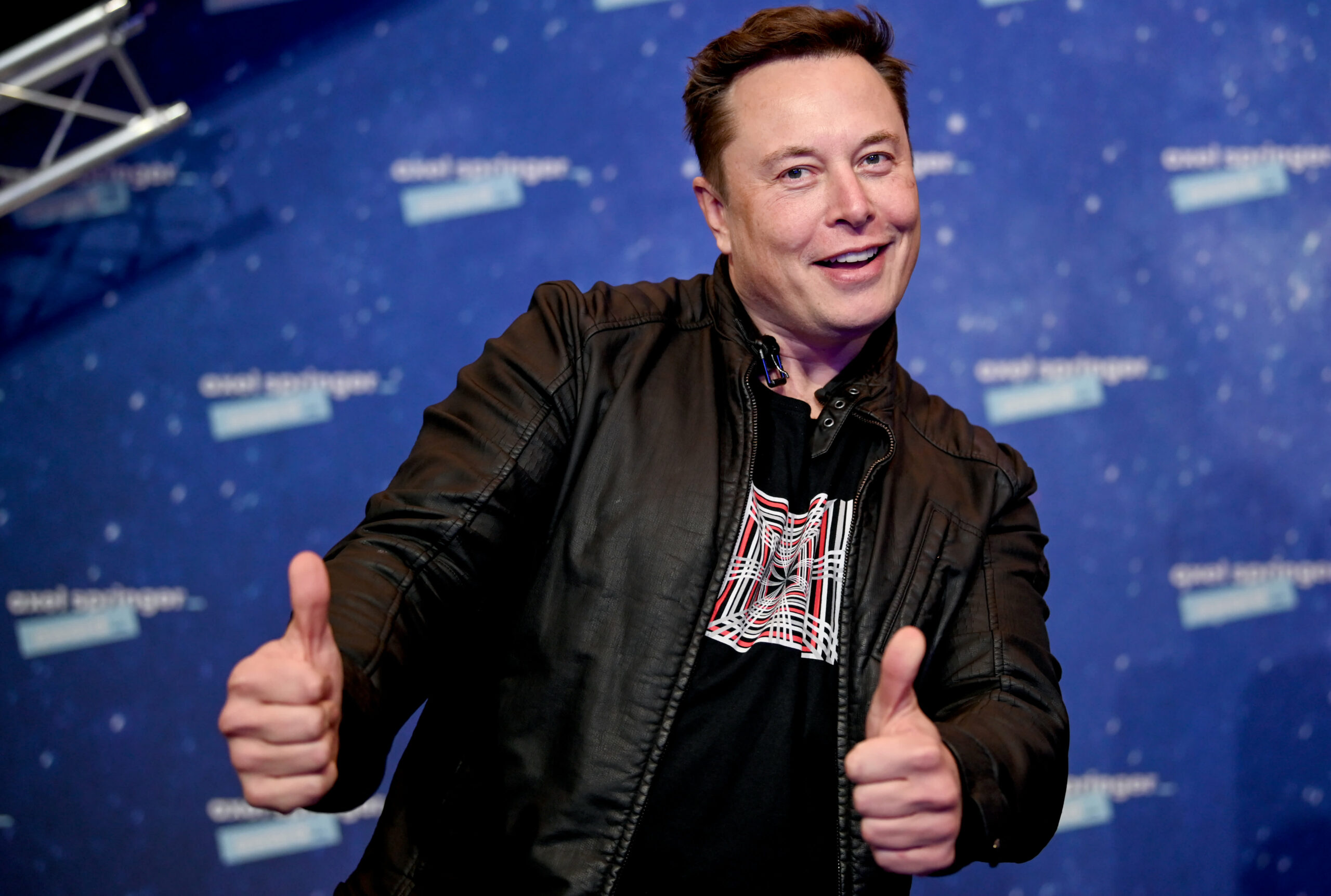
Elon Musk, the billionaire entrepreneur behind Tesla and SpaceX, once again finds himself at the centre of controversy. On Thursday, Musk amplified a post on X (formerly Twitter) that bizarrely claimed the British never colonised India.
The post stated: “If Indians set foot in England and become English, then the English who set foot in India become Indian. Therefore, the English did not rule India. There is no such thing as ‘colonisation.’”
Musk not only liked the message but shared it with a “thinking face” emoji, giving it a far wider reach. Within hours, the post had been viewed nearly five million times, sparking a storm of criticism from Indian users who accused Musk of promoting historical distortion and colonial denial.

Credits: Mint
Furious Responses from Indian Users
Social media platforms lit up with angry rebuttals, many highlighting the absurdity of the claim. One user countered with a detailed post that drew sharp contrasts between voluntary immigration and violent colonisation:
“Indians aren’t looting England’s resources. Indians aren’t torturing British citizens. Indians aren’t triggering famines like Bengal (1943). Indians aren’t massacring Brits like Jallianwala Bagh (1919). Indians aren’t imposing salt taxes or destroying British industries like the textile trade. Indians aren’t deporting Brits to Cellular Jail or enacting laws like the Rowlatt Act. Indians aren’t causing mass displacement like the Partition.”
This rebuttal quickly went viral, gaining traction as a point-by-point dismantling of the colonial denialist narrative.
“Whitewashing History” Accusations
Another wave of criticism came from users who linked Musk’s amplification of the post to broader attempts by some groups to whitewash colonial atrocities.
“White nationalists are trying to equate colonial military invasion, rape, plunder, and exploitation with legal immigration and naturalisation,” one user wrote. “The goal is to whitewash colonial guilt while vilifying minorities.”
Several Indians went further, calling for reparations. One post read: “Send Indian people back to Bharat if you wish, but do bring the treasure you stole (with interest), compensation for the lives and famines you caused, the manuscripts and art you looted, the missionaries you shipped, and an apology we can understand. We’ll sign the receipt when you arrive.”
The Core Flaw in the Argument
Historians and commentators were quick to underline the central flaw in the viral claim: equating migration with colonisation. Unlike immigrants who move to another country and adapt to its laws, colonial powers exercised political, military, and economic control over subject nations.
As one user aptly summed it up: “Living in another country doesn’t erase colonial domination. When Indians went to Britain, they remained foreigners. When the British came to India, they ruled over millions with political, military, and economic control. That’s colonisation.”
Musk’s History of Controversial Remarks
This is not the first time Musk has faced accusations of historical revisionism. Last year, he drew widespread criticism after claiming that the British Empire “ended global slavery,” a remark that many argued ignored the Empire’s own long record of exploitation, forced labour, and violence.
With his massive following on X, Musk’s endorsements—even subtle ones like an emoji—tend to amplify fringe or misleading narratives into mainstream debate. Critics argue that such actions carry consequences, especially when they touch on sensitive histories of colonisation and oppression.

Credits: Moneycontrol
A Heated Debate with Broader Implications
The controversy surrounding Musk’s post has once again highlighted the fragility of public memory when it comes to colonialism. For many Indians, the wounds of colonisation remain deeply embedded in collective memory—shaped by stories of exploitation, cultural theft, and systemic economic destruction.
The suggestion that colonisation never happened isn’t just historically inaccurate; it’s deeply offensive.
As the debate rages online, one thing is clear: Musk’s emoji has sparked far more than casual curiosity. It has reignited a global conversation on history, power, and accountability—reminding us that colonialism is not a debate to be reduced to memes and viral hot takes.