The number of discrete video cards shipped to desktop computers skyrocketed in 2025. The market shipped about 44.28 million discrete video cards. According to Jon Peddie Research, this is an increase of almost 10 million units from the 34.7 million units shipped in 2024. The year is also notable as the second highest shipped in the last decade.
The growth was largely due to the increasing demand for new video cards from Nvidia. The company introduced its GeForce RTX 50 Series video cards powered by its Blackwell GPU architecture. The release led to an upgrade among gamers and PC enthusiasts. As such, Nvidia had a monopoly over the market for add-in boards used in desktop computers.
The discrete video cards market had some unique characteristics in 2025. The market peaked in the third quarter of 2025. During this time, about 12 million units were shipped. The fourth quarter saw the market dip to 11.48 million units shipped. However, this is still an increase from the 8.4 million units shipped in the same period last year.
Usually, the demand for graphics cards peaks in the fourth quarter. Gamers tend to upgrade their systems in preparation for the release of new games and the holiday season. However, in 2025, the market experienced different trends. Several factors contributed to this change in the market.
AMD Hits Historic Lows Amid Rising Costs and Market Shifts
One of the significant factors that affected the market is the increase in costs. Memory costs have been on the rise.
Graphics cards use high-speed memory called GDDR. Any changes in the cost of memory have a direct effect on the cost of the graphics card. Trade policies have also affected the market. The tariffs associated with the Trump administration have continued to affect the market.
The market has been experiencing pressure from both ends. On the lower end, the high-performance integrated graphics available in CPUs have improved significantly. Casual computer users no longer need a dedicated graphics card for basic usage and casual gaming. High-performance notebooks have also affected the market, especially for users who need portability.
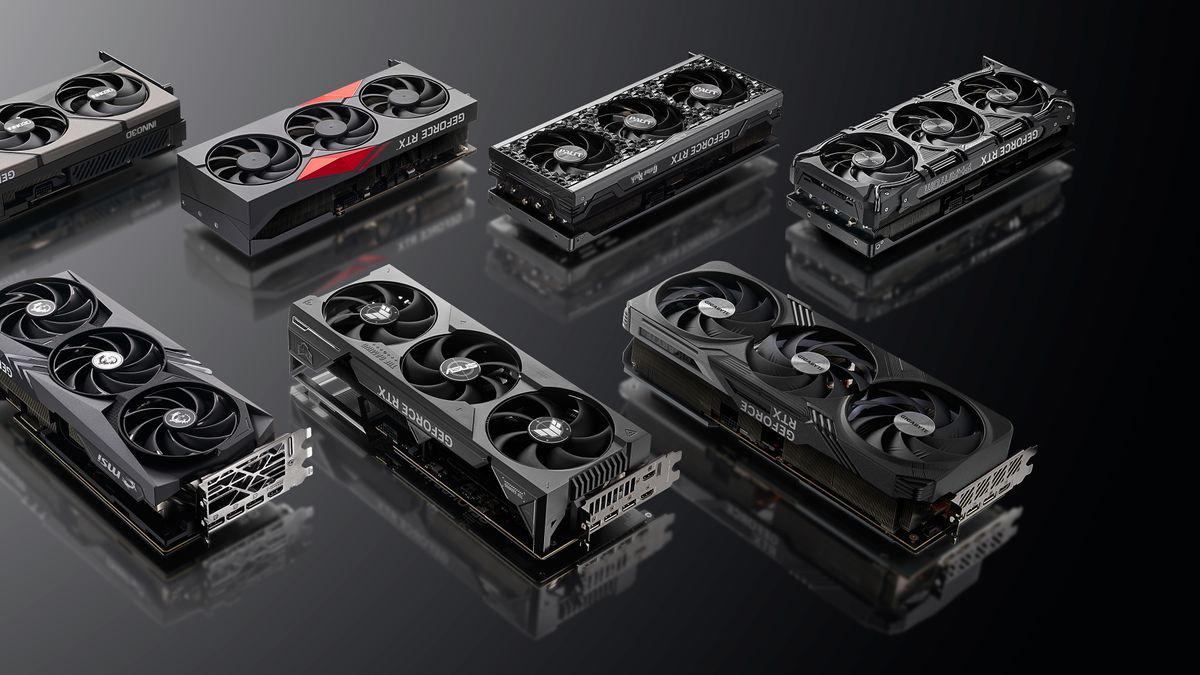
On the higher end, the prices are still going up. The supply constraints and demand are driving the higher-end GPU pricing higher. As a consequence, some users are choosing to delay upgrades.
Although Nvidia was able to gain market share, AMD was losing market share throughout the year. The company started the year at about 8% market share for the desktop add-in board market. By the fourth quarter of the year, the company was down to about 5%.
This is the lowest market share ever recorded for AMD or its former graphics division, ATI Technologies. The company released its Radeon RX 9000 Series line of graphics processing units during the year. The problem was that the new line did not capture the market’s imagination. The supply constraints and higher pricing than the suggested retail price probably did not help the company.
NVIDIA Triumphs as AMD Shipments Slide and Intel’s Battlemage Falters
The numbers indicate the extent of the loss for the company. The company shipped about 740,000 graphics processing units in the first quarter of 2025. By the fourth quarter, the number was down to about 570,000 units. This is the lowest shipment number for the company’s graphics processing unit division.
AMD still maintains a significant presence in another area. Many of the desktop processors offered by AMD include integrated graphics. Virtually all of the chips in the Ryzen line include integrated graphics. However, it is not the same market. It is not the same type of buyer. It is not the same type of decision. It is not the same type of revenue. It is not the same type of profit. It is not the same type of loyalty.
Intel did not make significant inroads into the discrete graphics market. Intel released new discrete graphics cards based on their Battlemage GPU architecture under the Intel Arc name. They were not mainstream products. They were not intended to compete in the mainstream gaming market. Intel did not gain significant market share in 2025.
Market Constraints and Shifting Consumer Habits
In terms of forecasts, the market is expected to slow. Desktop graphics cards shipments are expected to decrease by 10% in 2026, according to Jon Peddie Research.
There are various factors that contribute to this perception. For instance, the supply of GPUs is still constrained in certain segments. Additionally, memory prices continue to vary. Lastly, there is uncertainty regarding trade tensions and tariffs.
Currently, many consumers are holding off on upgrading. For instance, there are people who are holding off on upgrading their computers. They are waiting for prices to settle. Other people are opting to use laptops or integrated graphics.
If the situation persists, the add-in board market is likely to contract in the next year. However, the high demand for high-performance GPUs indicates that dedicated graphics cards play an important role in PC gaming.