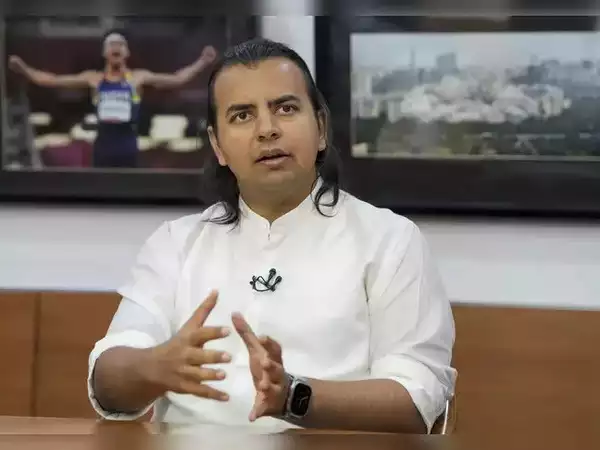
In a major development that has sent shockwaves through India’s startup ecosystem, Ola founder and CEO Bhavish Aggarwal has been named in a police case of abetment to suicide. The case comes after a 38-year-old employee of Ola Electric, K Aravind, allegedly took his own life, leaving behind a 28-page handwritten note detailing harassment and intense workplace pressure.
The FIR, registered at the Subramanyapura Police Station in Bengaluru, also names Subrata Kumar Das, Ola’s Head of Vehicle Homologation and Regulation, and Ola Electric as accused. The complaint was filed by the deceased employee’s brother, Ashwin Kannan, who alleged mental torture and prolonged harassment at the workplace.

The Employee and His Struggles
Aravind, who joined Ola Electric’s Homologation Engineering Department in 2022, was known among colleagues as a dedicated professional. However, according to the family, he had been facing extreme work-related stress for months before the tragic incident.
On September 28, he allegedly consumed poison at his residence and was rushed to the hospital, where he later died. Initially, police registered a UDR (Unnatural Death Report), but the case took a darker turn when his family discovered a lengthy suicide note in his belongings.
The 28-Page Suicide Note
The handwritten note reportedly runs into 28 pages and details severe allegations against senior Ola executives. In the note, Aravind allegedly accused Subrata Kumar Das and Bhavish Aggarwal of harassment, withholding his salary and dues, imposing unrealistic work demands, and creating a hostile work environment. He claimed that these factors pushed him to the brink, leaving him no choice but to end his life.
The family said that two days after his death, Rs 17.46 lakh was mysteriously credited to Aravind’s bank account by the company—an act that further deepened their suspicions. When they approached Ola’s HR department for clarity, they reportedly received vague and inconsistent answers, which intensified their belief that something was amiss.
FIR and Legal Proceedings
Following the discovery of the note, the family filed a formal complaint against Ola’s top leadership. Based on their statement, the Bengaluru police registered a case under Section 108 of the Bharatiya Nyaya Sanhita (BNS), read with Section 3(5), naming three accused — Subrata Kumar Das (Accused 1), Bhavish Aggarwal (Accused 2), and Ola Electric (Accused 3).
Section 108 of the BNS pertains to abetment to suicide — a serious charge that carries potential imprisonment upon conviction. The police are currently investigating the veracity of the claims made in the note and the circumstances surrounding Aravind’s death.
Ola’s Response: Denial and Legal Action
Ola has issued an official statement, calling the allegations “baseless” and “factually incorrect.” The company said it has already challenged the registration of the FIR in the Karnataka High Court, which has granted protective orders in its favour.
“Ola Electric operates with the highest standards of integrity and care for its employees. During his tenure, Aravind never reported any grievances or concerns, and he had no direct interaction with the senior management, including the CEO,” the company said in its statement.
The startup emphasized that it is cooperating fully with the authorities and is confident that the truth will emerge through due legal process.

Credits: News18
Broader Implications for India’s Startup Culture
The incident has reignited a broader conversation about the work culture prevalent in high-pressure startups, where ambitious targets often lead to burnout and mental health struggles among employees. Industry experts and mental health advocates have called for greater accountability and structural reforms to protect employee welfare.
As Ola Electric continues to face scrutiny over the case, the development also casts a shadow on the company’s leadership and comes at a time when it has been working to consolidate its position in India’s EV market and rebuild investor confidence post its public listing.