A major controversy has erupted around ride-hailing and electric vehicle giant Ola after its founder and CEO, Bhavish Aggarwal, was named in a police case of abetment to suicide. The case follows the death of K Aravind, a 38-year-old employee who allegedly left behind a 28-page suicide note accusing senior executives of workplace harassment and unbearable pressure.

The Incident: Tragedy at Ola’s Bengaluru Office
Aravind was employed in Ola Electric’s Homologation Engineering Department at the company’s Koramangala office in Bengaluru since 2022. On September 28, he allegedly consumed poison at his residence and was later declared dead at a local hospital.
According to the complaint filed by his brother, Ashwin Kannan, Aravind had been struggling with severe work pressure and mental stress due to alleged harassment at the workplace. His family claimed that Aravind’s distress was linked to professional issues, including withheld payments and continuous pressure from his seniors.
The 28-Page Suicide Note and Key Allegations
After Aravind’s death, his family reportedly discovered a 28-page handwritten note in his room. The note, according to police sources, detailed a pattern of harassment and mistreatment by senior officials.
In the note, Aravind allegedly accused Subrath Kumar Das, Ola’s Head of Vehicle Homologation and Regulation, and Bhavish Aggarwal himself of creating an oppressive work environment. He claimed he faced excessive work demands, mental torture, and delays in the release of his salary and dues — all of which he said drove him to take the extreme step.
The family also raised suspicion over a ₹17.46 lakh transaction credited to Aravind’s account by the company just two days after his death. They claimed Ola’s HR department provided inconsistent explanations when asked about the money, further deepening their doubts about the company’s role.
Police Action and Legal Proceedings
Initially, the police registered a UDR (Unnatural Death Report). However, following the recovery of the suicide note and the family’s complaint, a full FIR was filed under Section 108 of the Bharatiya Nyaya Sanhita (BNS), read with Section 3(5).
The FIR, filed at Subramanyapura Police Station in Bengaluru, names Subrath Kumar Das as Accused No. 1, Bhavish Aggarwal as Accused No. 2, and Ola Electric as Accused No. 3. Investigators are expected to examine the note in detail and record statements from Ola staff members who worked with Aravind.
Ola’s Response: “No Direct Interaction with CEO”
In an official statement issued on Monday, Ola strongly denied the allegations. The company said it had challenged the FIR’s registration in the Karnataka High Court, where it has already received protective orders.
Ola stated that during Aravind’s tenure, no formal grievance or complaint was ever raised by him, either through HR or internal mechanisms. The company further emphasized that Aravind had no direct professional interaction with CEO Bhavish Aggarwal or other top management.
“We are deeply saddened by the unfortunate loss of our colleague. However, the allegations made are baseless and factually incorrect. The matter is sub judice, and we have full faith in the judicial process,” Ola said in its statement.
Broader Questions on Work Culture in Startups
The case has reignited a debate on workplace mental health and high-pressure environments in India’s fast-growing startup ecosystem. Over the past few years, several incidents have highlighted how toxic work culture, unrealistic expectations, and long working hours have taken a toll on employees’ well-being.
For Ola, this controversy comes at a time when the company is focusing on expanding its electric vehicle business and preparing for the next phase of growth. The legal proceedings could cast a shadow over its public image and leadership.
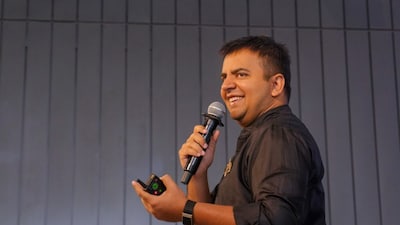
Credits: News18
What Lies Ahead
As the investigation progresses, Bengaluru Police are likely to call in senior Ola executives for questioning and analyze digital evidence related to Aravind’s work and communication records. The High Court hearing on Ola’s plea to quash the FIR will be a key development to watch.
While the company insists it has followed due process, the case raises uncomfortable questions about corporate accountability and the pressures faced by employees in India’s startup boom.
For now, the tragedy of one employee’s death has placed one of India’s most high-profile entrepreneurs at the center of a growing storm.