OpenAI, the company behind the ChatGPT app, plans to raise at least $50 billion, a move that could potentially be one of the largest funding rounds ever raised by a company in the United States. OpenAI seeks a valuation between $750 billion and $830 billion, a figure that would make it one of the world’s most valuable private firms.
However, it has not diminished its ambitious fundraising plan, and its figures are in their infancy and liable to be revised.
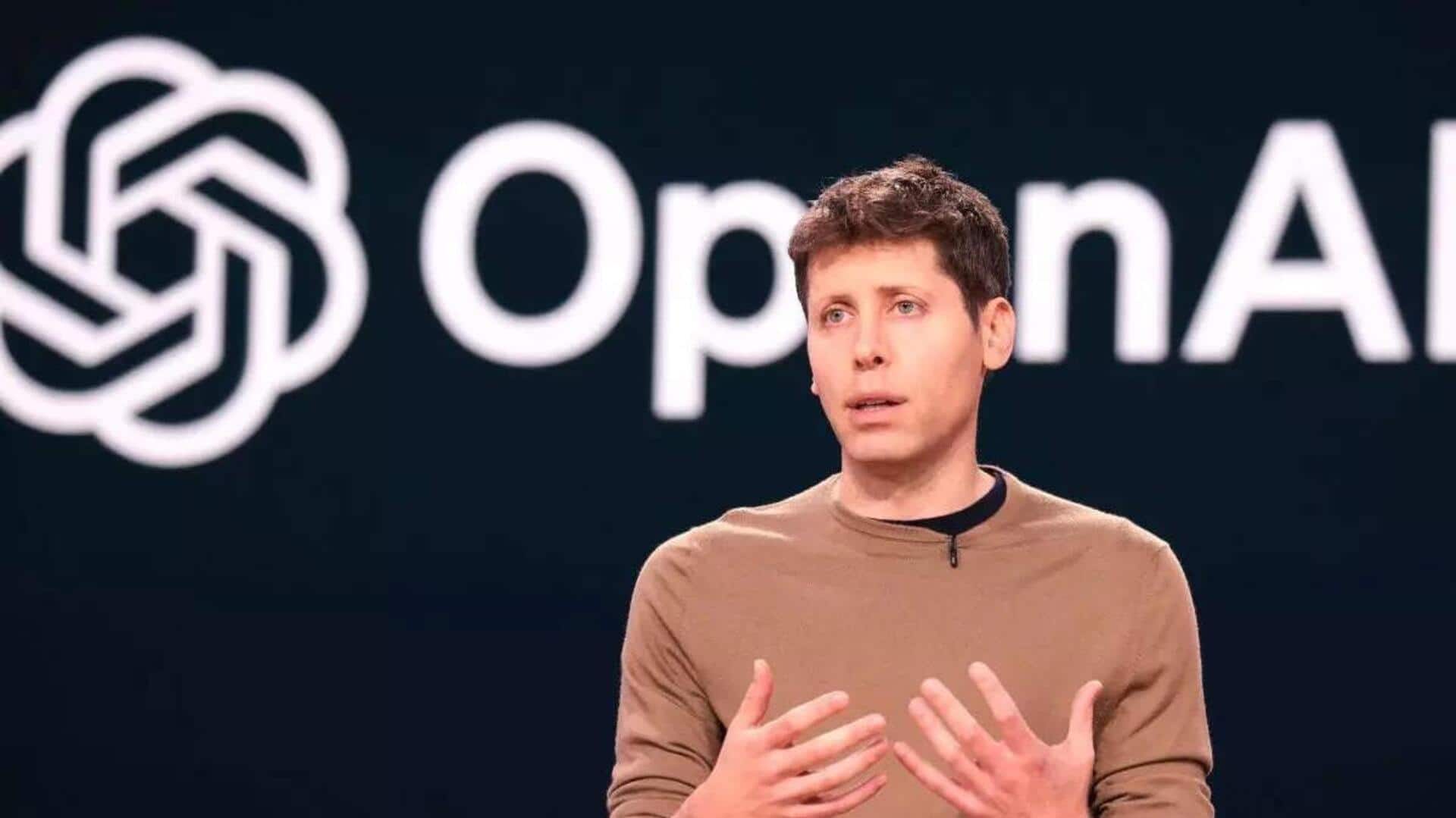
The AI company has seen its CEO, Sam Altman, meet with major investors, particularly in the Middle East, including Abu Dhabi-based government-backed investment firms. It has thus highlighted its strategic plans to raise money from those willing to cement their status as AI world leaders.
OpenAI to Invest $1.4 Trillion in Global AI Capacity
This significant capital inflow is expected to power Open AI’s ambitious vision to shape the future of artificial intelligence.
The organization wants to use such capital to develop three key areas. These include the development of sophisticated chipsets, the construction of huge data centers, and hiring highly skilled AI researchers and developers.
Among the most impressive upcoming ventures is the planned data center in the UAE, expected to be counted as some of the largest of this kind worldwide. The growth spurt is an indication of the enormous computational capacity that is necessary for training complex AI programs.
It has promised to spend over $1.4 trillion on infrastructural investments in the years to come, and while that figure sounds like an eye-watering large sum, it does speak volumes about OpenAI’s ambitions and aspirations and justifies the costs of staying in an industry that promises gains but costs an enormous fortune to stay in the game.
OpenAI, which generates hundreds of millions of dollars in revenue, remains unprofitable because it plows resources into research and infrastructure. That pioneering work in generative AI-and its first-mover advantage with ChatGPT have helped establish the company as a leader in the field.
Competition, however, is intense and increasing. Technology giants like Google have marshaled their extensive resources to rival the leader, OpenAI, by drawing on their infrastructure and deep reservoirs of talent. Meanwhile, younger companies like Anthropic are emerging as serious challengers, undergirded by substantial funding and shepherded by teams of veteran AI researchers.
And that competitive pressure makes OpenAI’s fundraising all the more critical. For one thing, leading-edge AI development demands constant reinvestment in state-of-the-art hardware, huge computing facilities, and the talent to attract and hold onto top researchers commanding premium paychecks.
OpenAI, MGX, and the Gulf’s Strategic Pivot
The fundraising effort of $50 billion by Open AI is yet another installment in a never-ending story. They have already raised billions of dollars recently to meet the unprecedented costs of artificial intelligence.
Previous discussions on funds had been centered on securing tens of billions of dollars in funding at a valuation of $750 billion. This gives an idea of how stable the valuation of the company is considered to be in spite of the general conditions of high volatility being in effect in the stock exchange.
Regarding important partnerships for OpenAI, Middle Eastern backers also seem to figure in its consideration with the already established partnerships with MGX from Abu Dhabi, a tech investment firm, as well as with G42 on its UAE data center project.
These pairings represent an even larger pattern of Middle Eastern countries, especially in the Gulf region, striving to attain an esteemed position in the world economy of artificial intelligence. Owing to an abundance of capital and an intention to diversify beyond oil-based economies, these nations see investment in AI infrastructure as an important long-term bet.
Raising Billions on a Vision of AI Dominance
All of this puts pressure on OpenAI, as it negotiates the fundraising round, to justify such an enormous valuation and strike a delicate balance between innovation and fiscal discipline. A path to profitability remains opaque, but its leadership obviously thinks big when it comes to AI dominance.
To investors, the proposition is simple, but not without risk: that bet big on OpenAI’s ability to keep the edge in technology and, ultimately, turn such leadership into sustainable profits. To the wider AI industry, the success – or failure – of OpenAI’s fundraising will act as a signal of how much appetite is still out there for investing in the companies at the edge of artificial intelligence, regardless of profitability.
Over the coming months, it should become clearer whether OpenAI will be able to raise the capital needed to realize its far-reaching vision for what AI’s future should look like.