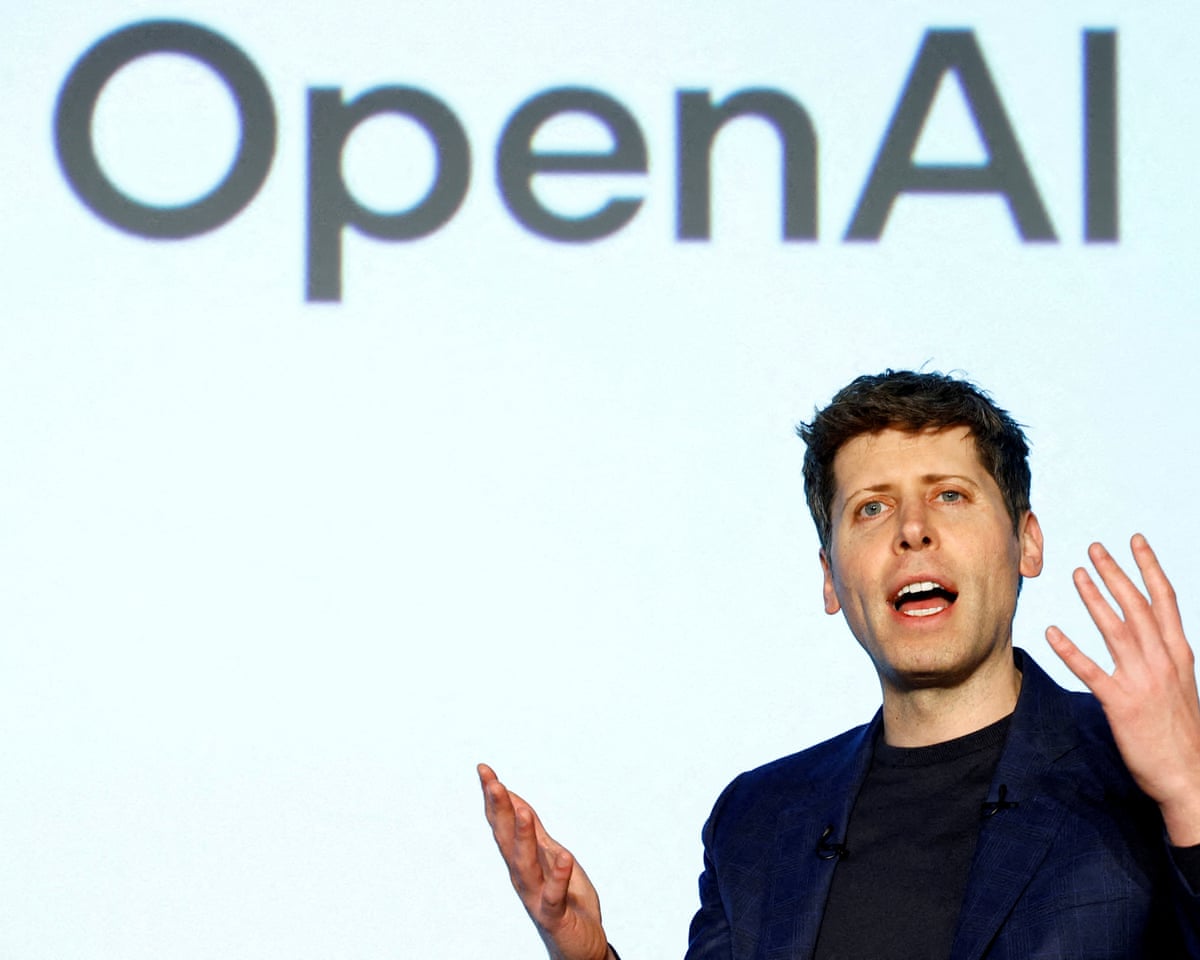
OpenAI has opened applications for a senior leadership role as the Head of Preparedness, which highlights the increasing emphasis the company is putting into risk management as its capabilities continue to increase. This is according to a statement by the CEO of OpenAI, Sam Altman, who has indicated the role is crucial to its success.
It’s no coincidence that this comes at a specific time. While OpenAI pursues the development of more sophisticated AI models, the company builds more structure to test and prepare for possible negative impacts before they happen. This isn’t just damage control after a new product launch. This occurs before a product even reaches the launch ramp.
Definition Of Preparedness At OpenAI
Readiness is the linchpin of the safety plan that OpenAI has. The idea involves monitoring and planning for the cutting-edge capabilities that AI might bring forth. The efforts are not restricted to today’s models but involve various levels of cutting-edge models that are under development.
The approach involves building structured capability evaluations, detailed threat models, and cross-functional mitigations. OpenAI acknowledges that as model capabilities grow, the safeguards required to manage them become correspondingly complex. Rather than implementing safety measures reactively after deployment, preparedness aims to ensure that safety standards evolve alongside technical progress.
Leading OpenAI’s Safety Pipeline
The Head of Preparedness will assume responsibility for the whole preparedness approach of the company. This will include the development of capability reviews, developing a full threat picture, and driving mitigations that build an operational safety pipeline.
One of its primary responsibilities is to oversee the development of evaluations of frontier capabilities. These evaluations must be accurate, robust, and scalable to match the quick turnaround of products. But the trick is to come up with a system of evaluation capable of pointing out possible dangers while AI developments change in unforeseen ways.
Perhaps most pressing, though, is the need to ensure that the findings from the evaluation actually inform major decision points. This would encompass approval of model launches, internal policy implementations, and formal safety dossiers. The approach will certainly not be static but will instead require regular evolution with new threats, new capacities, and increasing external demands.
Collaboration Across Teams and Beyond
OpenAI envisions the Head of Preparedness to spearhead a small but high-impact team while doing extensive coordination across the organization. This will involve close coordination with research scientists, engineers, product teams, governance specialists, policy experts, and enforcement personnel.
It may also extend outside the walls: OpenAI says that such partnerships with outsiders will be necessary to make sure preparedness practices translate effectively when AI systems are deployed to the wild. That sounds like an acknowledgment that safety can’t be solved in isolation; it requires coordination across the AI ecosystem.
This includes clear communication skills, especially in high-stakes decision-making that requires exceeding conditions of uncertainty. This position requires strong technical judgment combined with the ability to explain complex risk assessments to a wide range of stakeholders.
Who OpenAI Is Looking For
The job opportunity looks to hire candidates with a deep knowledge base in Machine Learning, AI Safety, Evaluations, and/or other realms of risk. OpenAI pays special interest to high-rigor evaluations.
Cybersecurity/biosecurity experience is listed as a plus, indicative of concern for malicious uses of AI. There is an apparent need for an individual to consider multiple domains of risk, rather than simply a specific threat type, from which any of those risks might emerge.
This is reflected in the compensation that comes with this position. OpenAI pays a total of $555,000 annualy plus equity for this role that is based in San Francisco.
Why This Role Matters Now
The emergence of this new senior position was precipitated by the growing criticism in the AI industry with regard to the safety standards that the industry follows. There are growing questions from regulatory bodies, academia, and the general public on how the industry intends to deal with safety when AI becomes more powerful.
By defining preparedness as a separate high-level function, the company is making it clear that safety is not just an afterthought. OpenAI is likely working toward developing strong predictive systems capable of managing risks before they develop into problems.
Whether it will be enough is yet to be determined. But the role is OpenAI’s stake in that it’s possible to manage risks well enough to stay ahead in the lightning pace of AI development.