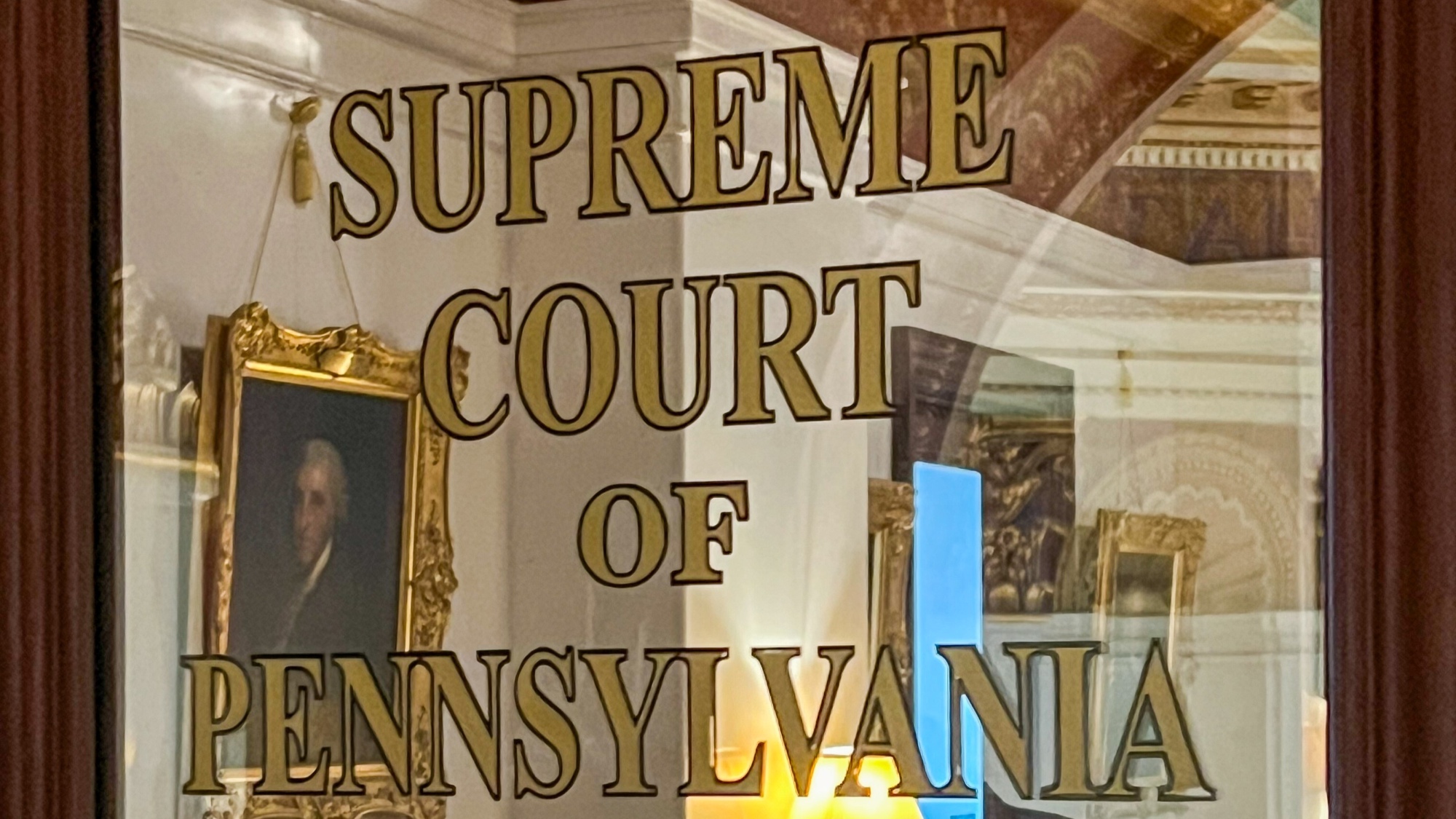
The Pennsylvania Supreme Court has actually issued a ruling that may completely upend the way we consider online privacy. The court ruled that the police may access your Google search history without the need for a warrant, and the reason for this ruling is surprising.
The historic case emerged in the case of Commonwealth v. Kurtz, where there was a sexual assault, and the accused was trying to establish who the assault victim, referred to as “K.M.,” was by searching for her name or address on Google prior to the crime occurrence.
Unlike finding a conventional search warrant, the police searched for what is known as a “reverse keyword warrant,” which would make the police ask Google for the list of I.P.s that searched for certain keywords corresponding to the name of the victim.
Google obliged and provided information on the searches for K.M.’s address, as the defendant searched for it twice before the attack took place. The defendant’s residence was traced to the above-stated IP address, and eventually, the police managed to get the defendant’s DNA, which connected him to the crime scene.
Although this investigative method aided in the resolution of a serious crime, its implications for regular internet users are astounding. The court’s logic is based on the claims that, in using Google’s services, you’ve already agreed to forgo your right to privacy.
Google, Data Harvesting, and the Law: Why the Courts Believe Online Privacy Is Now a Choice
As the justices explained, “It is ‘common knowledge that websites, internet-based applications, and internet service providers collect, and then sell, user data.’ Moreover, the privacy policy of Google’s services contains an explicit warning against the expectation of privacy with regard to the services of the firm.”
The court held that users have waived their rights against unreasonable searches under the Fourth Amendment of the U.S. Constitution merely by agreeing to the terms of service of the firm with the “I agree” button.
Perhaps most intriguingly, however, is the court’s comments that “if consumers wanted to use the internet without surrendering any data to anyone, all consumers would have to do is not use the internet at all.” This not only betrays a complete ignorance of how the internet works, but also ignores the fact that, while cell phone usage may be optional, internet usage at work or at school most certainly is not.
This decision couldn’t have come at a more exciting time in the world of browsers. There have been some privacy-centric alternatives springing up, with the likes of Perplexity having recently rolled out their very own AI browser named ‘Comet,’ which focuses heavily on user privacy.
Terms of Service and the Erosion of Constitutional Privacy
Firefox, the favorite with the open-source crowd, has entered the fray with an AI browser, which, fortunately, is turn-offable for those worried about their data collection practices. There have also been reports of Chrome and Edge browsers having spyware in their extensions.
“The case raises very disturbing issues of consent and Fourth Amendment privacy, and while no one ought to dispute either the need to apprehend assailants or, one hopes, serial rapists, this particular case has implications far, far beyond rape,” writes Patrick Apps, a technology lawyer, in partnership with “Cmoreno22” blogger Nick Gillespie of Reason Magazine.
If stipulating to terms of service amounts to a relinquishing of constitutional rights, what implications could this have with regard to the approximately 60 million users of Google, Facebook, Microsoft, and other technology companies in America each day?
Why Mandatory Connectivity is Killing Informed Consent?
A typical Web user does not, and, in all likelihood, cannot read the lengthy conditions and policies that need to be agreed to before utilization. Today, policies can easily be sixty pages long. There appears to be something decidedly irregular about the notion that the act of clicking the “accept” icon regarding these policies regarding state surveillance constitutes fully informed consent.
Then there’s the reality that not being online is just not possible as an option going forward in 2025. Being online is necessary as an alternative to one’s livelihood, education, banking, health care, and family and friends. To say that one’s privacy is safe if they’re not online is no different from saying one can avoid traffic cameras if one doesn’t drive. It’s factually correct but impractical.
The ruling does come as a wake-up call on the digital footprints that we all leave every day. “The reality is that all of the searches, all the web pages you visit, all the clicks that you make are recorded somewhere,” said CBS analyst Jeff Rosen on “CBS This Morning.” Big corporations have relied on all of this information for targeted marketing, but now we know the police do too, possibly without our consent.
The increasing effectiveness of AI-driven browsers and the increasing importance of internet usage in daily activities will only see this conflict escalate in the future between convenience, privacy, and security. The judicial verdict in this case reflects that in this fight, privacy has a possible chance of going under, the fact notwithstanding.