The next Pro Kabaddi season has a simple job: keep the league fast, competitive, and unpredictable without losing the mat-level intensity that made it popular. Fans following Pro Kabaddi League news will care about one thing before the first raid: which teams have built real balance, not just loud squads on paper.
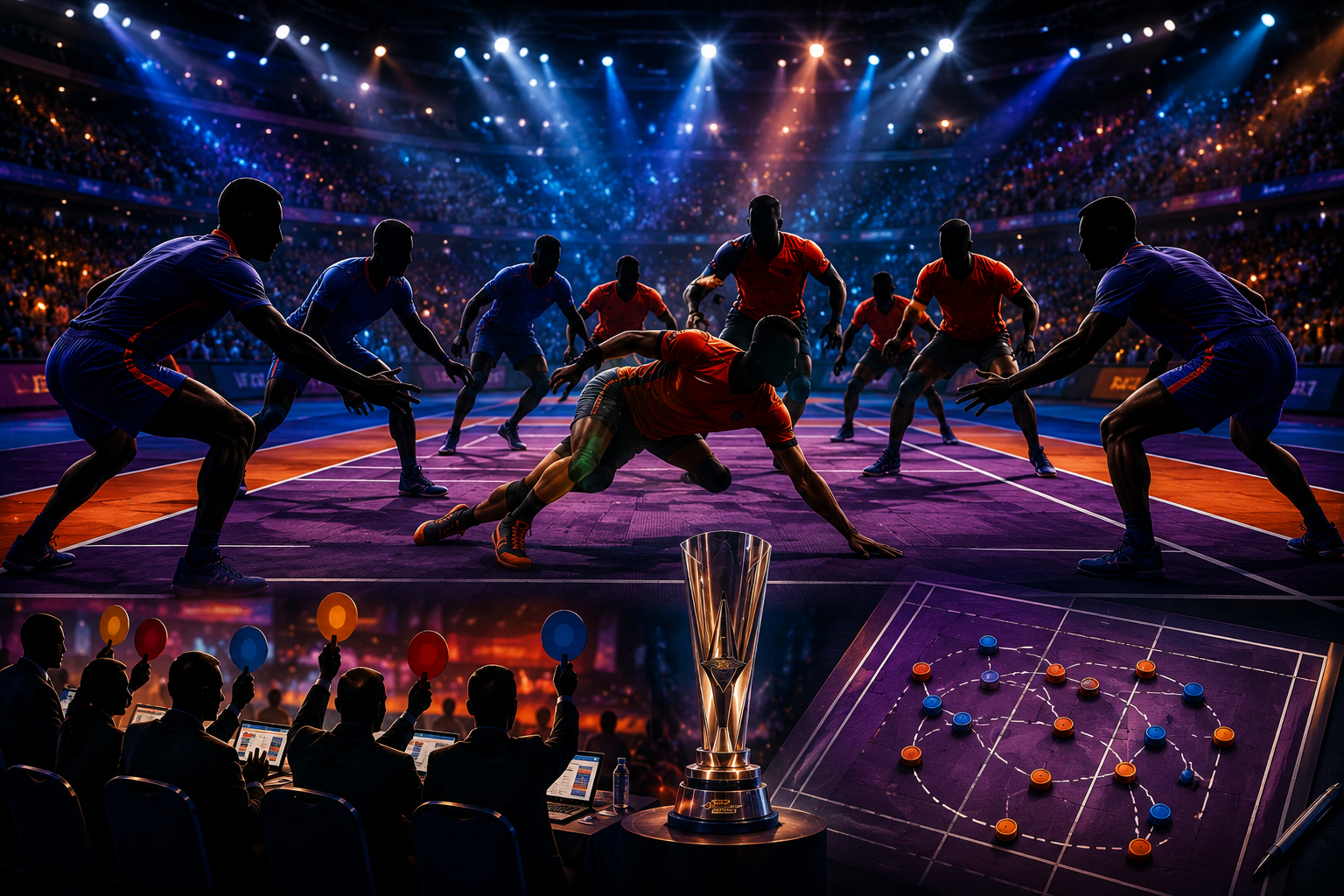
The conversation around PKL 2026 auction should not be reduced to who earns the biggest bid. Kabaddi auctions are about structure. A franchise needs lead raiders, secondary raiders, corner defenders, covers, all-rounders, and bench options who can survive pressure. One star can sell a headline; a balanced seven wins long seasons.
Why PKL 2026 Matters
The league has reached a stage where every season is judged more sharply. Fans understand tactics better now. They can spot a weak right corner, a tired raider, a poor do-or-die plan, or a defence that panics after two empty raids. That makes team building more important than reputation.
Pro Kabaddi League 2026 is expected to carry forward the same core identity: short matches, constant pressure, fast momentum swings, and strong city-based fan loyalty. The sport still works because it feels direct. One raid can change the score. One super tackle can change the mood. One captaincy call can pull a team back from trouble.
The season also matters because kabaddi has a different fan base from many urban-heavy sports. PKL speaks to big cities, small towns, school players, and families that already understand the rhythm of the game. That gives the league a strong cultural base. It does not need to explain kabaddi from scratch; it needs to present it well.
The best teams in 2026 will likely share these traits:
- Raid Depth: More than one player must be able to score under pressure.
- Defensive Trust: Corners and covers need timing, not just aggression.
- Bench Use: Substitutes must have defined roles, especially in close matches.
- Fitness and Recovery: The schedule can expose teams that rely on the same seven too heavily.
- Late-Match Control: Strong teams know when to attack and when to slow the clock.
This is why the season preview begins with squad design. Kabaddi looks chaotic to casual viewers, but good teams are rarely random. They are built with very specific answers.
Auction Storylines and Squad Planning
The phrase Pro Kabaddi auction 2026 will attract attention because auctions create drama before the tournament begins. Yet the smarter reading is not the final price. It is the reason behind the bid. Did a team buy a lead raider because it lacked bonus-point pressure? Did it chase a cover defender because its chain tackles failed last year? Did it protect money for depth?
Recent PKL auctions have shown that teams are becoming more strategic. Retentions, category pools, young-player pathways, and final-bid style decisions have made squad construction more layered. Franchises can no longer buy only famous names and hope the system works. Kabaddi punishes imbalance quickly.
Raiders, Defenders and the Balance Question
A good raiding unit needs variety. One raider may attack through speed. Another may rely on reach. A third may be useful only in do-or-die situations. A captain needs different tools because defenders adjust fast over a season.
Defence is even more delicate. A brilliant left corner can still look ordinary if the cover defender moves late. A strong chain tackle needs trust. One mistimed dash can gift two points and momentum. That is why the best auction tables are not built around emotion. They are built around combinations.
The most important auction questions are practical:
- Who Scores When the Main Raider Is Blocked? A team without a second scoring route becomes easy to read.
- Who Leads the Defence? Young defenders need a voice beside them, especially in pressure raids.
- Who Handles Do-or-Die Moments? These raids decide tight matches and reveal temperament.
- Who Protects the Bench Balance? Injuries and form dips are normal across a long season.
A franchise that answers these questions early usually starts the season calmer. A franchise that discovers them after three losses is already chasing the table.
Teams, Format and Fan Interest
The official league structure has 12 franchises, and that keeps the competition wide enough without becoming diluted. Pro Kabaddi League teams 2026 should again give fans familiar identities: Bengal Warriorz, Bengaluru Bulls, Dabang Delhi K.C., Gujarat Giants, Haryana Steelers, Jaipur Pink Panthers, Patna Pirates, Puneri Paltan, Tamil Thalaivas, Telugu Titans, U Mumba, and UP Yoddhas.
The groups do not feel the same amount of pressure to succeed. Patna Pirates have a historical level of success to live up to since they have won the title three times before. Jaipur Pink Panthers and U Mumba have legacy value. Puneri Paltan and Haryana Steelers have had the energy of champions recently.
The league’s format also keeps pressure alive. A points table rewards consistency, but the playoff race usually keeps several teams interested deep into the season. The top sides want direct advantage. The middle group fights for survival. Lower teams often become dangerous spoilers because they play with freedom.
What Each Type of Team Must Fix
Different teams enter a new season with different problems. A champion needs hunger. A finalist needs correction. A mid-table team needs clarity. A bottom team needs honesty. Pretending last season was unlucky is usually the fastest route to another poor campaign.
Title contenders must avoid comfort. Kabaddi is too sharp for slow starts. If a winning team keeps the same core, opponents will study it harder. If it changes too much, chemistry can suffer. The best sides refresh without destroying their identity.
Mid-table teams need to decide who they are. Are they raid-heavy? Defence-first? Built around youth? Built around one captain? A confused team may still win matches, but it rarely wins enough of them.
Rebuilding teams should not chase quick applause. One expensive raider cannot repair weak defensive structure. A strong auction for them means buying roles, not noise.
Key Players and Tactical Trends to Watch
The keyword around PKL season 13 will bring attention to fresh squads, but the season will still be decided by old kabaddi truths. Raiders need timing. Defenders need patience. Captains need calm. Coaches need to read momentum before the scoreboard becomes ugly.
One major tactical trend is controlled raiding. Earlier, fans often celebrated only spectacular multi-point raids. Those still matter, but elite teams now value empty raids, bonus-point pressure, and safe returns. A raider who keeps the scoreboard moving without gifting tackles can be as valuable as a highlight machine.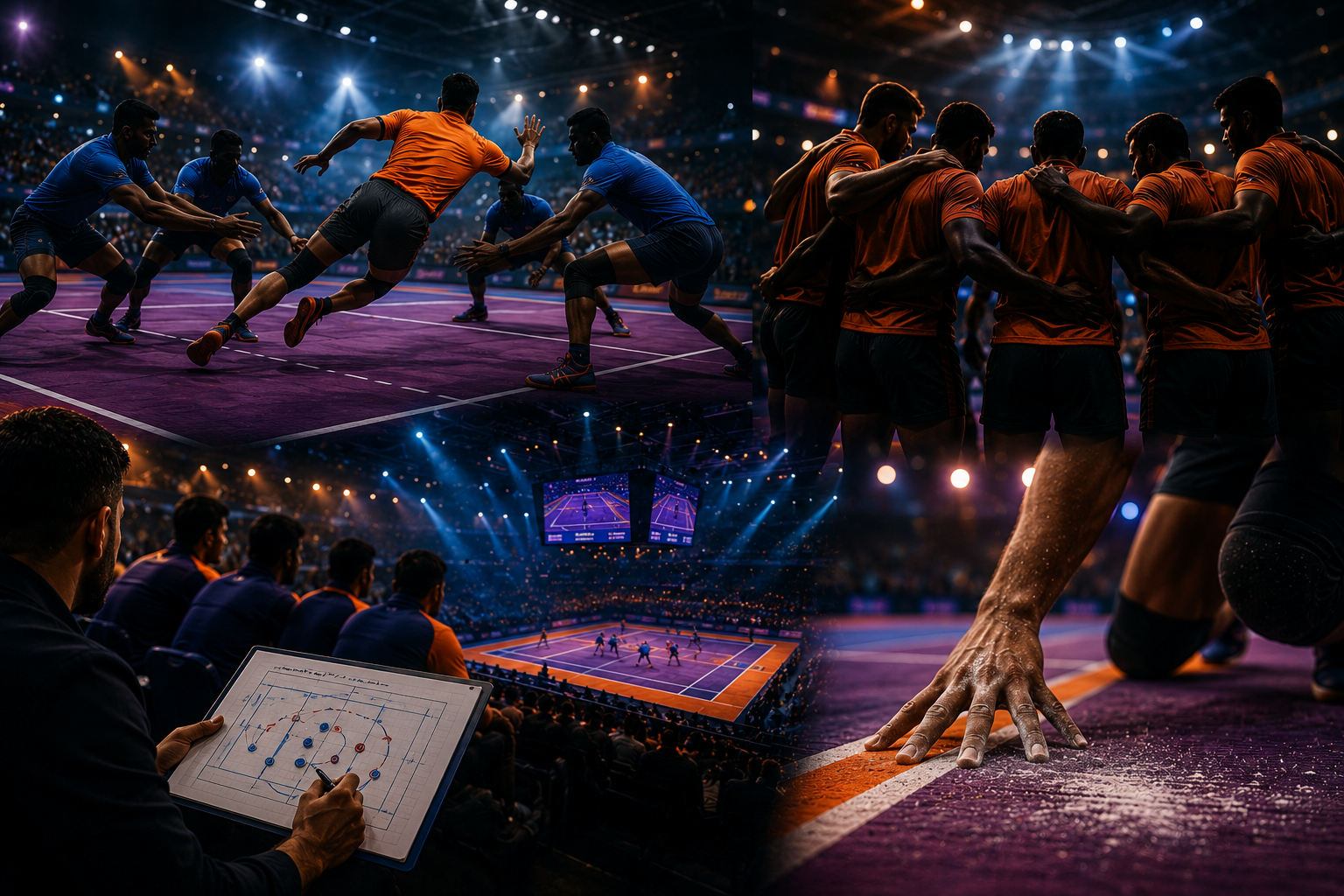
Defence has also become more measured. Reckless ankle holds and early dashes are punished. Smart defenders wait longer, push raiders toward low-percentage exits, and use the chain only when the angle is right. Good defence now looks less like a fight and more like a trap.
All-rounders will remain valuable because they give flexibility. A player who can raid in emergency situations and defend reliably gives a coach more room. In a short match, that flexibility can decide substitutions, review choices, and late-game plans.
Young players are another major storyline. PKL has always created new names quickly. A defender can become famous after one fearless super tackle. A raider can change his career with a strong week. The league rewards nerve because every action is visible.
What Will Decide the Season
The strongest teams in 2026 will not be the ones with the loudest auction day. They will be the ones with the clearest match plan. Kabaddi exposes vague thinking. If a team cannot score in do-or-die raids, opponents will wait. If a team cannot defend the left side, raiders will attack it all night.
Fitness will also matter. Kabaddi is brutal in short bursts. Players sprint, twist, hold, drag, dive, and recover in seconds. A team that looks sharp for 30 minutes but fades late will lose matches it should have controlled.
Coaching will be under pressure too. PKL has become more analytical. Teams study raid maps, defender tendencies, bonus patterns, and substitution windows. The best coaches will not overcomplicate the sport, but they will use data to support instinct.
A successful season usually depends on five pillars:
- Reliable Lead Raider: Someone must carry scoring responsibility without becoming predictable.
- Second Raider Support: The attack needs a Plan B before crisis arrives.
- Corner-Cover Understanding: Defence works only when timing is shared.
- Smart Reviews: Captains must use challenges with discipline, not emotion.
- Calm Final Five Minutes: Tight matches are won by decision-making, not panic.
These pillars sound basic, but most poor teams fail at one or two of them. That is enough to slide down the table.
Season Preview and Final Read
The safest prediction is that PKL 2026 will reward balance over glamour. A team with one superstar and six uncertain roles may start with attention, but the league is too long for that model. The sides that travel well, defend together, and share raid pressure will be harder to stop.
The auction will set the tone, but the season will judge the thinking behind it. A smart bid can look quiet in the room and brilliant on the mat. A flashy signing can look exciting for a week and become a burden if the rest of the squad lacks support.
Fans should watch the first few matches carefully. Early combinations often reveal more than press conferences. Which defender gets trusted in super-tackle situations? Which raider comes in for do-or-die raids? Which team protects a lead without becoming defensive? These answers usually point toward the real contenders.
The league’s strength is still its simplicity. A raider crosses the line, seven defenders wait, and every second carries risk. Around that simple contest sits a modern professional league with auctions, franchises, tactics, analytics, and national attention.
That is why PKL 2026 has the ingredients for a strong season. The names will matter, but the systems will matter more. The teams that understand that early will not just win matches. They will look like they belong in the title conversation.